
Death of Freddie Gray and the 2015 Baltimore unrest
The 2015 death of Freddie Gray after a police van transport in Baltimore sparked protests, criminal charges against officers, federal findings of policing failures, and reforms amid national debate on race and policing.
Overview
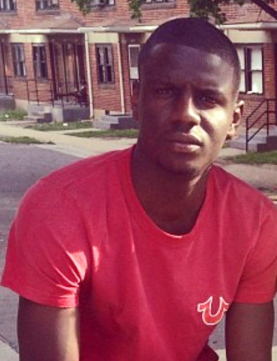
In April 2015 Freddie Carlos Gray Jr., a 25-year-old African American man, was arrested in Baltimore and transported in a police van. During the ride he sustained severe injuries and subsequently died days later. The case touched off large-scale protests in the city and drew national attention to policing practices, use of force, and the relationship between law enforcement and minority communities.
Image gallery
3 Images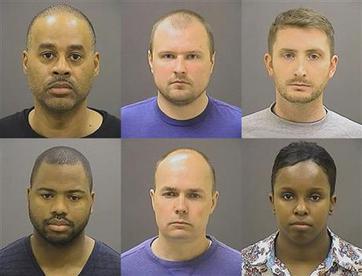

Incident and medical findings
Police said Gray was taken into custody on April 12 after officers alleged he had a switchblade. While being moved in a transport vehicle, he became unresponsive; according to reports he was not secured in a seatbelt. He was taken to a trauma center and later died on April 19. The local medical examiner classified the death as a homicide, citing a severe injury to Gray's spinal cord. The circumstances inside the van — sometimes referred to in media accounts as a "rough ride" — became a focal point for investigators and public debate.
Legal actions and investigations
Soon after Gray's death, six Baltimore police officers were placed on administrative leave with pay and later faced criminal charges related to his arrest and transport. Prosecutors pursued a range of charges against those officers. The ensuing prosecutions produced mixed results, including acquittals, mistrials, and cases in which charges were dropped. Concurrently, local and federal authorities opened civil rights and departmental investigations into police practices.
Protests, unrest, and community response
Gray's hospitalization and subsequent death prompted protests that began peacefully and escalated after his funeral on April 27. Demonstrations included marches, civil disobedience, and, in some areas, incidents of property damage, looting and arson. Authorities reported arrests and injuries among police officers and others. Observers noted that the unrest was driven both by anger over this specific case and by longer-standing grievances about policing, economic opportunity, and racial inequality in the city.
Federal review and reforms
Following the unrest and local investigations, the U.S. Department of Justice conducted a broader review of the Baltimore Police Department. The DOJ found patterns of unconstitutional stops, searches and use of force and sought reforms to policy, training and accountability. The city and the department later entered into a federal process intended to implement institutional changes. The case also accelerated conversations about police custody practices, transport safety, and the use of restraints.
Significance and legacy
The death of Freddie Gray became a prominent example in national debates about policing, race, and justice. It contributed to sustained activism and influenced policy discussions at municipal and federal levels. For many residents and advocates the case underscored demands for greater transparency, timely investigations, and systemic reform. The episode remains cited in discussions about police accountability and community-police relations.
- Initial arrest and transport: police department procedures and evidence handling were scrutinized.
- Hospitalization: reports noted Gray fell into a coma during custody.
- Officers' status: six officers were put on leave and later faced charges; they were suspended with pay at first.
- Community events: demonstrations culminated after the funeral, including episodes of looting and burning property, such as a CVS Pharmacy.
For further inquiry, consult official investigation summaries and independent reports that chronicle the case, the prosecutions, and the policy changes that followed.
Questions and answers
Q: Who was Freddie Carlos Gray, Jr?
A: Freddie Carlos Gray, Jr was a 25 year old African-American man from Baltimore, Maryland.
Q: Why was Freddie Carlos Gray, Jr arrested?
A: Freddie Carlos Gray, Jr was arrested by the Baltimore Police Department for having what police thought was an illegal switchblade.
Q: What happened while Gray was being transported in a police van?
A: While being transported in a police van, Gray fell into a coma and had to be taken to a local trauma center.
Q: What led to Gray's hospitalization and eventual death?
A: Gray's hospitalization and death were a result of the officers not securing him in the van, which led to injuries to his spinal cord.
Q: How did people react to Gray's death?
A: Gray's death resulted in protests and riots in downtown Baltimore starting on April 25. There were multiple arrests and 15 police officers were injured.
Q: What happened to the six Baltimore police officers involved in Gray's arrest?
A: Six Baltimore police officers were suspended with pay.
Q: What other incidents took place following Gray's funeral?
A: Following Gray's funeral, civil disorder intensified with the looting and burning of local businesses, and a CVS Pharmacy.
Related articles
Author
AlegsaOnline.com Death of Freddie Gray and the 2015 Baltimore unrest Leandro Alegsa
URL: https://en.alegsaonline.com/art/26036
Sources
- theatlantic.com : "Mysterious Death of Freddie Gray"
- theguardian.com : "Six Baltimore Police Officers Suspended over Police Van Death of Freddie Gray"
- usatoday.com : "Baltimore Police, Protesters Clash"