
Death of Diana, Princess of Wales (1997)
Detailed account of the 1997 car crash in Paris that killed Diana, Princess of Wales and Dodi Al-Fayed, covering the crash, investigations, funeral, public reaction and cultural impact.
Overview
On 31 August 1997 a high-profile car crash in Paris resulted in the deaths of Diana, Princess of Wales and her companion Dodi Al-Fayed. The collision occurred in the Pont de l'Alma tunnel while the vehicle was attempting to evade photographers. The couple’s chauffeur died at the scene; one member of the party, Trevor Rees-Jones, survived with serious injuries and later provided accounts used in subsequent inquiries.
Image gallery
10 Images





Immediate circumstances
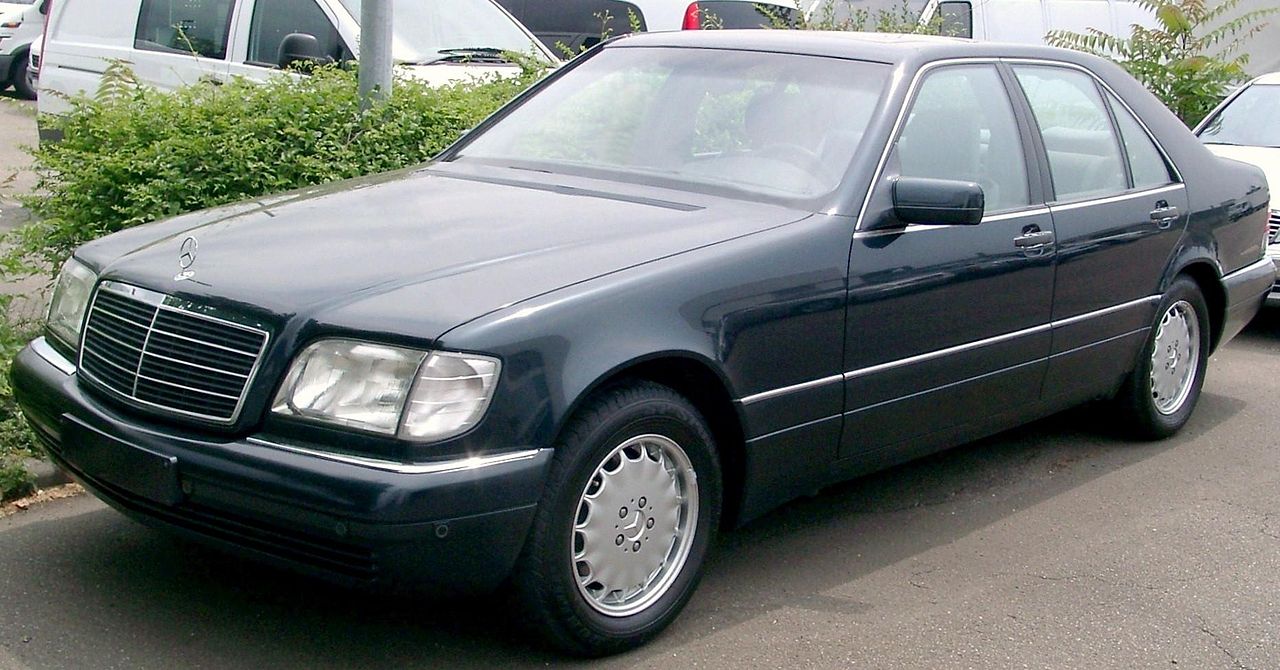
The crash took place in central Paris. Emergency services attended quickly and Diana was taken to hospital but later died of her injuries. Early investigations and media reports focused on the speed of the car, the status of the driver and the role of pursuing photographers. Authorities identified contributory factors including impairment of the driver and the pursuit by other vehicles, while official investigations examined whether any criminal or conspiratorial activity was involved.
Investigations and official inquiries
French investigators carried out an initial criminal inquiry. Later British police carried out further reviews of available evidence, including a formal inquiry into allegations of conspiracy. These reviews concluded there was no credible evidence of an organised plot to cause the crash. A subsequent inquest in the United Kingdom returned a verdict of unlawful killing, finding that the driver was impaired and that the manner of driving by the vehicle occupants and some pursuing vehicles contributed to the fatal outcome. The inquiries prompted widespread public interest and extensive media coverage.
Public reaction and mourning
The death prompted an immediate and widespread outpouring of public grief in the United Kingdom and internationally. Thousands of people left flowers, lit candles, and placed cards and messages at public memorial sites. The spontaneous tributes outside royal residences and other sites were a notable feature of the public response, and civic institutions observed periods of mourning while many citizens organized vigils.
Funeral and official ceremonies
A large public funeral service was held in early September in London, attended by members of the royal family, world leaders and thousands of mourners. The service was broadcast broadly and became one of the most-watched events of the era. The arrangements combined public ceremonial elements with private family observances and were followed by both official and grassroots commemorations.
Cultural impact and remembrances
Diana’s death prompted reflection on press conduct, privacy and the safety of public figures, leading to debates about paparazzi regulation and media ethics. Numerous tributes and memorial events were organized, including benefit concerts and musical homages. Prominent artists performed in memory of Diana: for example, Elton John re-recorded his version of "Candle in the Wind" as a tribute, and proceeds from some releases and events were directed to charitable causes connected with Diana’s legacy.
Legacy and continuing discussion
The circumstances of the crash and the large public reaction have had a lasting effect on discussions about celebrity, security and the relationship between media, public figures and the public. Efforts to preserve aspects of Diana’s charitable work and to study the impact of intense media attention on privacy continue to be part of her wider legacy. Scholarly and journalistic accounts frequently reference the crash when discussing modern celebrity culture and press accountability.
For more detailed contemporary reporting and retrospective analysis, see official reports and major news and academic sources that documented the crash, the investigations and the social response in the months and years that followed.
Additional references and archives can be consulted for primary documents, witness statements and the formal reports produced during the various inquiries into the events surrounding the crash and its aftermath. For example, material summarizing the investigative findings and public reaction may be found through official collections and major media retrospectives.
Where available, first-hand testimony and hospital and coroner records were used in inquiries and public hearings to reconstruct the timeline, evaluate evidence about impairment and vehicle movement, and to consider the actions of those present on the night.
The events remain a significant subject of public memory and study. They are often cited in discussions of how high-profile tragedies influence changes in policy, public mourning practices and media regulation.
Funeral reporting and public memorials archives, alongside photographic records and written tributes, continue to offer material for understanding the scale and nature of the response. Contemporary music and benefit efforts are documented in concert summaries and recording notes such as those associated with Elton John and the re-recorded song.
Related articles
Author
AlegsaOnline.com Death of Diana, Princess of Wales (1997) Leandro Alegsa
URL: https://en.alegsaonline.com/art/26034