
Heresy: definitions, history, and religious responses
Heresy denotes beliefs or teachings that depart from an established religious doctrine; historically a criminal and theological category, today mainly a doctrinal judgment with varied legal and social consequences.
Overview
Heresy is a term used primarily within religious contexts to denote teachings, doctrines, or opinions that conflict with the official beliefs of a religious community. Communities and institutions differ in how they identify and respond to heresy: some treat it as a theological error to be corrected, while in other times and places it has been a legal offense with civil penalties. The person holding or promoting such beliefs is commonly called a heretic.
Image gallery
9 Images


Definitions and distinctions
In scholarly and ecclesiastical usage, heresy is distinct from related concepts. Apostasy refers to the abandonment of a faith; schism denotes organizational separation; and a dispute over interpretation might be labeled a theological controversy rather than heresy. Determining heresy typically requires reference to an authoritative standard—scripture, creeds, or the teachings of an institutional body—which is why debates often center on which authorities count as determinative. See examples of institutional responses at religious groups and debates over textual authority at scripture and the Bible.
Historical development
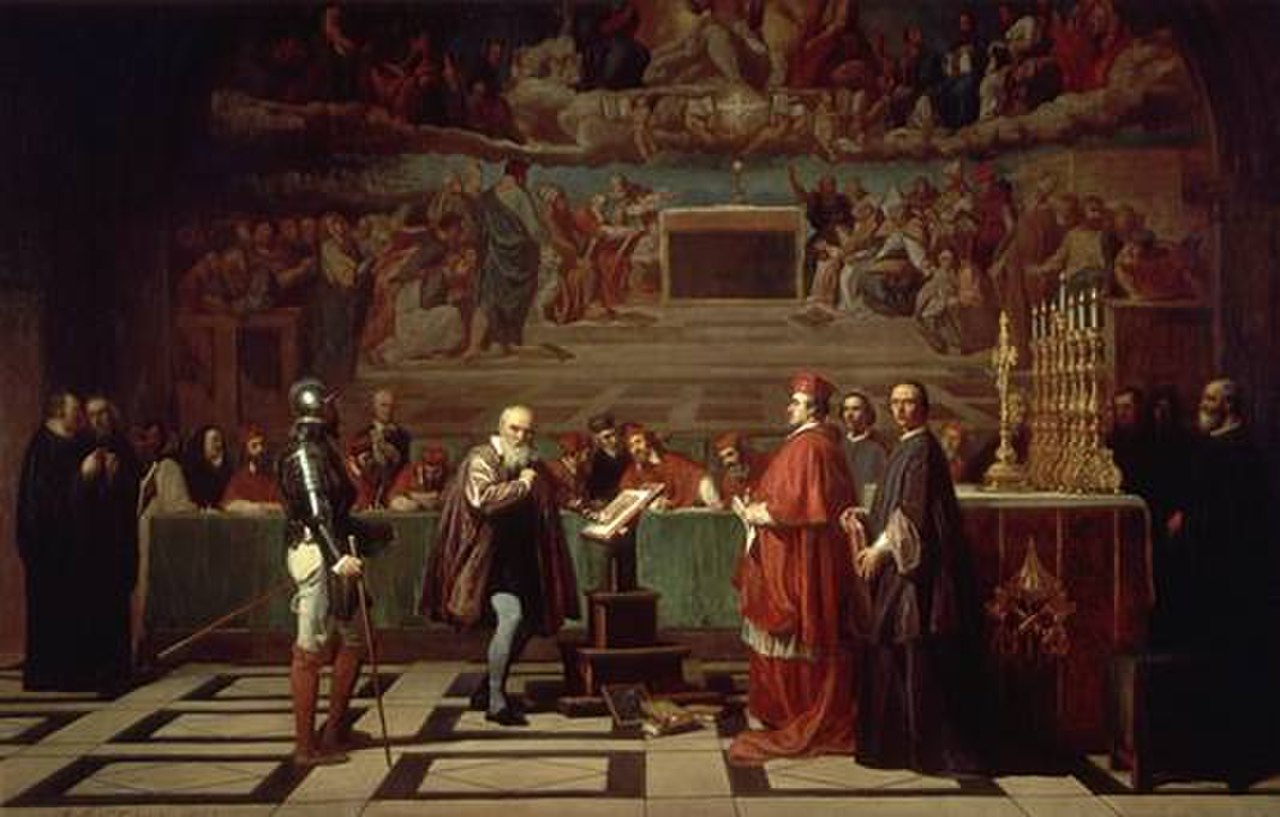
From late antiquity through the medieval period, many religious communities developed formal ways to identify and punish heresy. In Christianity, controversies over the nature of Christ produced doctrines and labeled movements such as Monophysitism and Arianism as heretical at various councils. During the Middle Ages, accusations of heresy could lead to ecclesiastical trials and, in some jurisdictions, civil punishment enforced by secular authorities. The mechanisms and severity of punishment varied: some procedures were intended to secure repentance, while others resulted in penance, imprisonment, or execution by methods such as burning at the stake. Records of inquisitorial proceedings and ritualized penances illustrate how doctrine, law, and social order intersected; for accounts of medieval procedures see the Middle Ages and ritual descriptions at rituals.
Reformation and institutional responses
The Protestant Reformation generated new fault lines about authority and doctrine. Reformers emphasized principles like sola scriptura (scripture alone) and disputes over Christology, while established churches defended traditional teachings and ecclesiastical structures. In response, some institutions strengthened offices to define orthodoxy: for example, the Roman Catholic Church formalized bodies such as the Congregation for the Doctrine of the Faith to evaluate doctrinal questions and protect what it considers orthodox teaching. Contemporary Catholic–Protestant disagreements often center on issues such as the Eucharist, the role of tradition, and the nature of salvation (compare Protestantism and Catholic perspectives).
Common doctrinal disputes
- Authority: whether tradition and magisterium share authority with scripture or whether scripture alone suffices.
- Salvation: debates over faith and works, often summarized in terms like sola fide.
- Ordination and ministry: differing claims about who may serve as clergy and how ordination functions; see discussions about priests and baptism.
- Eucharistic theology: whether the elements become the body and blood (e.g., transubstantiation) or are present symbolically.
Modern context and controversies
In many parts of the modern world, labeling a belief as heresy remains primarily an internal, religious judgment rather than a civil crime. However, in some countries and communities apostasy or proselytizing is criminalized and may carry severe sanctions; responses vary by legal system and social context, and international human rights bodies often debate these matters. Contemporary disputes about doctrine more commonly play out through denominational discipline, academic debate, and public opinion than through state punishment.
Examples and notable cases
Historical figures accused of heresy include early Christian thinkers, reformers, and other dissenters; the New Testament itself records conflict between Jesus and some religious authorities of his time, an episode sometimes described in histories of heresy and conflict. Institutional lists of condemned teachings have also appeared across traditions; for instance, critics point to various perceived errors in opposing confessional bodies. Institutions that adjudicate orthodoxy or heresy vary widely: orthodox, Catholic, Protestant, and other bodies maintain different processes for doctrinal adjudication, as documented by many scholars and church records (see authorities at doctrinal sources and legal-historical studies at torture and law).
Significance and contemporary reflection
Heresy remains a useful concept for studying how communities maintain identity, define boundaries, and negotiate change. It illuminates tensions between innovation and tradition, authority and conscience, and religious conviction and civil power. Modern scholarship tends to analyze heresy both as a theological category and as a social process shaped by institutional interests, historical circumstance, and wider cultural norms. For additional background, see resources on church history and doctrinal development at soul and salvation studies, comparative religion items at apostasy research, and primary-source collections at early Christian texts and scriptural passages.
Further reading and specialized studies are available through academic and denominational publications; entry points include overviews of the rituals used in historical trials, compilations of heretical movements, and official pronouncements found in institutional archives such as those referenced by the liturgy and canonical texts. For comparative perspectives across traditions see works addressing baptismal debates, biblical interpretation, and the role of confessional documents in shaping what communities call heresy.
Questions and answers
Q: What is heresy?
A: Heresy is a word used by different religious groups to describe someone who has ideas that are different from what the religion or law teaches. Such a person is known as heretic.
Q: How was heresy dealt with in the Middle Ages?
A: In the Middle Ages, if accusations of heresy could be proven, the culprit would go through a ritual which often involved being burnt while tied to a post. This was done in order to save their soul.
Q: How do Muslims treat apostates today?
A: Muslims who apostatize are often treated very harshly and frequently killed even in modern times.
Q: Was Jesus Christ considered a heretic?
A: Yes, Jesus Christ was regarded as a heretic by the Jewish leaders at the time according to Gospel of Matthew 26:57-67.
Q: What were some early heresies within Christianity?
A: Early heresies within Christianity included Monophysitism and Arianism which were christological doctrines that caused great trouble for the Roman Catholic Church.
Q: What are some differences between Protestantism and Catholicism regarding faith and salvation? A: Protestants claim only scripture (the Bible) is relevant for faith (sola scriptura), whereas Catholics say traditions are also important; Protestants say belief is enough to be saved (sola fide) but Catholics say good deeds are necessary as well; Protestants say anyone can be a priest if they have been baptised whereas in Catholic and Orthodox churches priests must be ordained; and finally, Protestants deny Transubstantiation during mass (liturgy).
Q: How does the Roman Catholic Church protect itself against heresies? A: The Roman Catholic Church created The Congregation for Doctrine of Faith which serves as its last instance to decide what constitutes heresy and how it should be dealt with.
Related articles
Author
AlegsaOnline.com Heresy: definitions, history, and religious responses Leandro Alegsa
URL: https://en.alegsaonline.com/art/43761
Sources
- vatican.va : "Catechism of the Catholic Church, 82-83"