
Day of the Dead (Día de Muertos): Mexican celebration of memory and life
Día de Muertos is a Mexican multi-day tradition that honors deceased relatives with ofrendas, food, marigolds, calavera imagery and community remembrance; recognized by UNESCO in 2008.
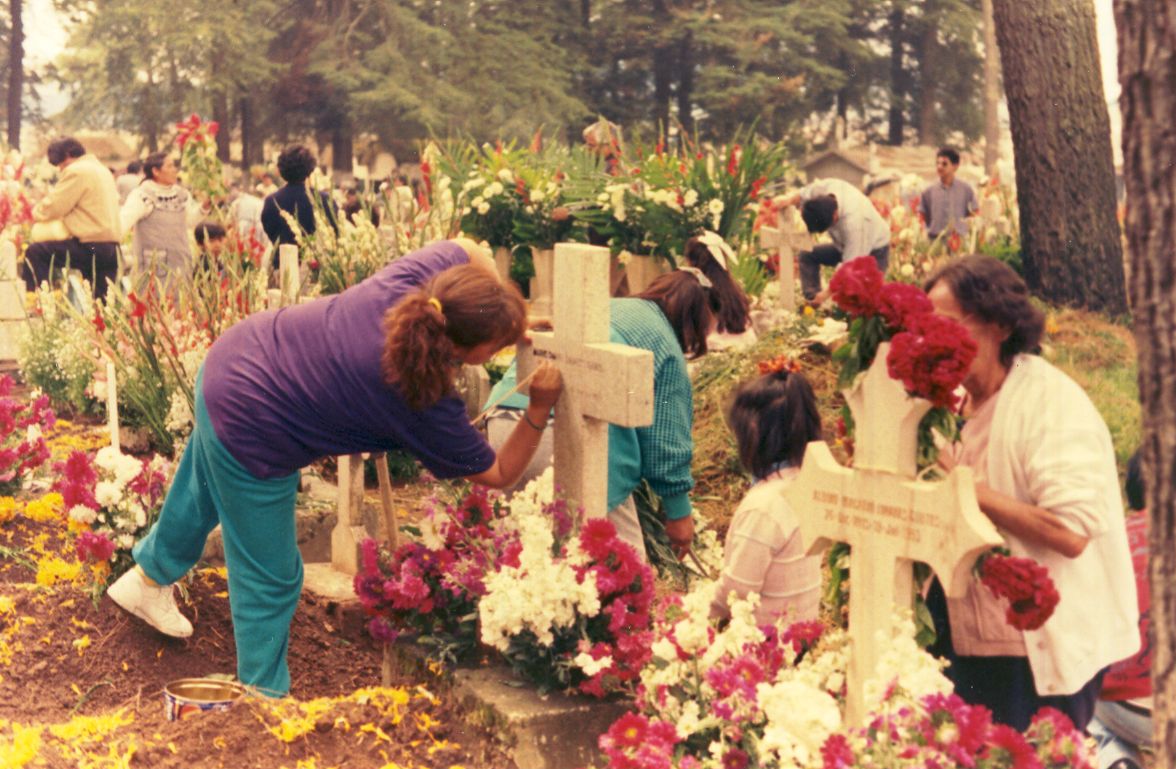
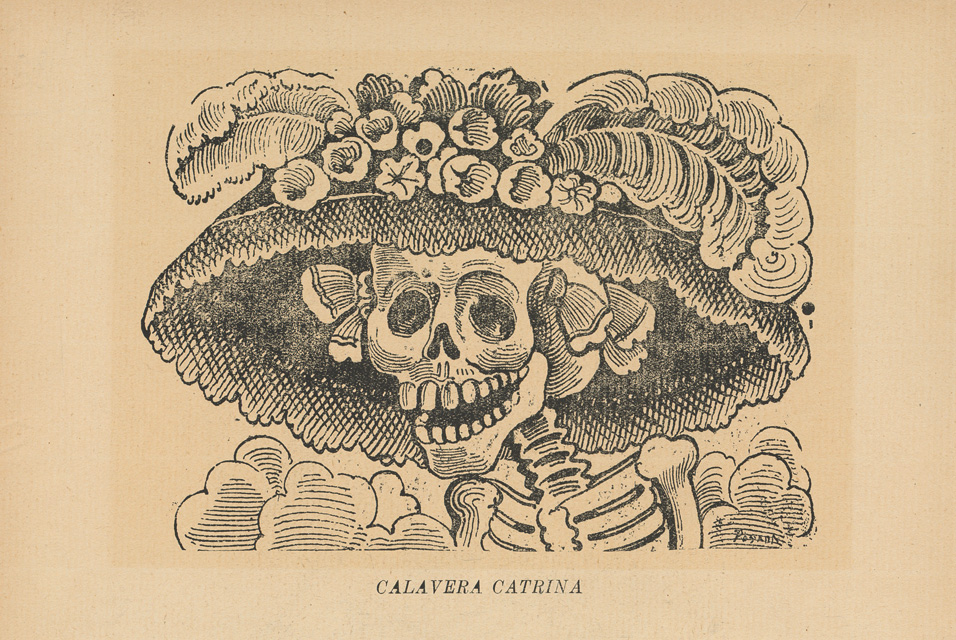
The Day of the Dead, commonly known by its Spanish name Día de Muertos, is a Mexican holiday in which families remember and celebrate those who have died. Celebrations traditionally take place across a sequence of days around the end of October and the beginning of November and are often described as a multi-day observance. The festival combines elements of Indigenous beliefs and Catholic practice to create rituals intended to honor ancestors and support their spiritual journey. Visually, the holiday is widely associated with calavera (skull) imagery and painted faces, which symbolize both death and the continuity of life.
Image gallery
9 Images


Key elements and symbols
Central to many observances is the household ofrenda, or altar, set up to welcome the spirits of the deceased. An ofrenda typically includes personal photographs, favorite foods and drinks, religious icons, and items meant to help guide visitors from the other world. Common decorative and symbolic items are:
- Marigolds (cempasúchil): bright orange flowers thought to attract and guide spirits, often referenced with orange flowers.
- Sugar skulls and calavera imagery: stylized skulls made from sugar or other materials used as offerings and decoration (sugar skulls).
- Traditional foods: such as pan de muerto and other items placed on the altar as sustenance for returning spirits (foods).
- Light and scent: candles and incense provide illumination and aroma to guide the dead (candles), while water and salt refresh them.
- Papel picado and personal effects: cut-paper banners, toys for child spirits and mementos.
Origins and history
The origins of Día de Muertos trace to pre-Columbian indigenous traditions in central Mexico, where groups such as the Aztec observed cyclical rituals honoring the dead. After Spanish colonization, Catholic observances for All Saints' Day and All Souls' Day merged with local customs, producing the modern layered practice. In recognition of its cultural significance, Mexico's Day of the Dead traditions were added to UNESCO's Representative List of the Intangible Cultural Heritage of Humanity in 2008 (UNESCO).
Practice, variations and contemporary significance
Practices vary by region, community and family; some celebrations emphasize solemn remembrance, others joyful reunion. In Mexico City and other urban centers, public parades, performances and exhibitions expand the holiday into a communal event. Mexican communities outside Mexico — for example in the United States — maintain and adapt traditions, blending local influences with ancestral rituals. While October 31 is popularly associated with related observances and is the date of some children's activities, Día de Muertos includes November 1 and November 2 events and differs in purpose and tone from commercialized autumn holidays such as Halloween.
Common misconceptions and notable facts
Día de Muertos is sometimes reduced to costume or face-paint trends in other countries, but practitioners emphasize its role as a family-centered ritual rather than a simple costume event. Elements like traditional decorations, communal cemetery vigils and the making of offerings underscore a blend of remembrance and celebration. The festival serves social functions — reinforcing family bonds, passing cultural knowledge to younger generations, and creating public spaces for collective mourning and joy.
For those invited to observe or participate, the holiday offers a way to learn about Mexican history, regional variation and the cultural meanings attached to food, symbols and ritual acts. Documentation, exhibitions and community programs continue to broaden international awareness while communities in Mexico and abroad sustain living practices that evolve with time.
Questions and answers
Q: What is Day of the Dead?
A: Day of the Dead (Spanish: Día de Muertos) is a Mexican holiday celebrated in Mexico known around the world by the skull painting face. It is celebrated by people of Mexico living in other places, especially the United States. Family and friends gather for this multi-day holiday to pray for and remember friends and family members who have died while creating an Ofrenda.
Q: What does UNESCO recognize about Day of the Dead?
A: In 2008, UNESCO inscribed Day of the Dead into its Representative List of Intangible Cultural Heritage of Humanity.
Q: Where does Day of the Dead originate from?
A: The origin of Day of the Dead comes from a mix culture, with Aztec and Christian being its main influences.
Q: How do people celebrate Day of the Dead?
A: People celebrate it by creating an Ofrenda on a altar at home or on a grave, as well as painting their faces into skulls (calaveras), decorating with sugar skulls, orange flowers and candles. They also prepare traditional food such as breads or pan de muertos in honor those who have passed away.
Q: When is Day of the Dead held every year?
A: The Day of the Dead is held every year on November 2nd in Mexico.
Q: Is everyone welcomed to join in on this celebration?
A Yes, everyone is welcomed to join in on this celebration; nearly everyone in Mexico celebrates it each year.
Q: What do people believe happens during this holiday?
A People believe that during this holiday, spirits visit their families from October 31st (Halloween) until November 2nd when they then leave again
Related articles
Author
AlegsaOnline.com Day of the Dead (Día de Muertos): Mexican celebration of memory and life Leandro Alegsa
URL: https://en.alegsaonline.com/art/25884
Sources
- unesco.org : "Indigenous festivity dedicated to the dead"