
Data center: functions, components, history, and uses
An accessible overview of data centers: definition, core systems (servers, networking, power, cooling), evolution, typical uses, and operational and environmental considerations.
Overview
A data center is a purpose-built building or dedicated room designed to house large amounts of computing equipment such as servers. Its primary role is to provide uninterrupted processing, storage and transport of data for applications that must remain available around the clock. To deliver these services it combines dense networking, reliable power, environmental controls and physical security so individual devices can work together as a resilient system.
Image gallery
10 Images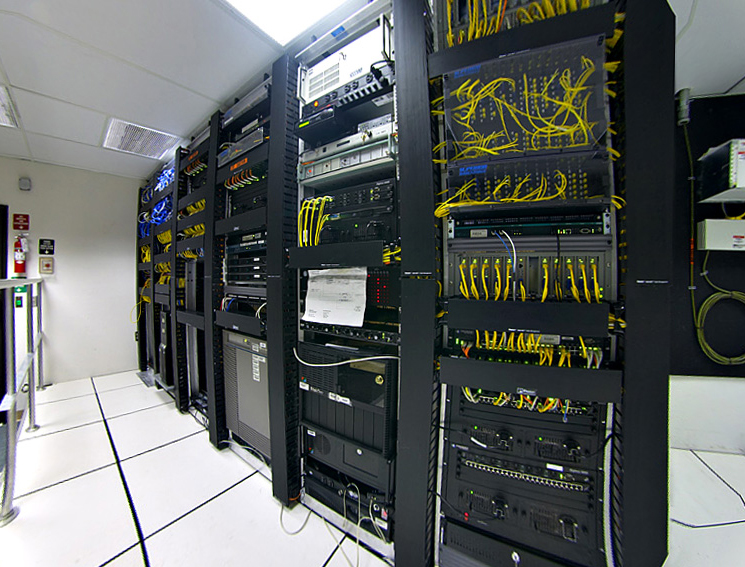


Major components and infrastructure
A data center integrates multiple engineered subsystems. Key elements include:
- Server racks and compute: rows of servers and storage devices mounted in racks with structured cabling for internal and external connectivity.
- Networking: high-capacity switches and routers that create low-latency network connections among equipment and to external networks.
- Cooling and environmental control: mechanical systems and chillers often called cooling systems that remove heat, plus humidity control to protect components.
- Power and backup: utility feeds with layered redundancy and backup power provided by battery banks and uninterruptible power supplies (UPS) and standby generators such as a diesel generator.
- Fire and physical protection: detection and fire suppression systems, controlled access, and surveillance to prevent and respond to incidents.
- Monitoring and operations: systems for telemetry, capacity planning, fault detection and secure access management.
History and development
Data centers grew out of early computer installations and mainframe rooms that required specialized spaces. As the internet and enterprise computing expanded, organizations and service providers built larger facilities or contracted companies that operated them. The rise of web hosting, cloud computing and content delivery accelerated consolidation into large-scale facilities run by specialist operators and telecommunications providers (telecommunication companies), while smaller "edge" sites appeared to serve local low-latency needs.
Uses, importance and operational practices
Data centers support a wide array of modern services: cloud platforms, web and application hosting, email, databases, scientific computing, and communications infrastructure. Enterprises may run private centers for sensitive workloads, while many organizations colocate equipment in third-party facilities to reduce cost and increase resilience. Operational practices emphasize redundancy, routine testing of UPS and standby units, environmental monitoring, and documented recovery procedures in case of power loss or equipment failure.
Standards, efficiency and notable considerations
Facilities are commonly evaluated by uptime and reliability standards and by efficiency metrics that guide cooling and power design. Energy consumption and environmental impact have prompted improvements such as waste-heat recovery, more efficient cooling, renewable energy sourcing and optimized server utilization. Fire protection (fire suppression), emergency fuel management for generators (diesel generator) and moisture control (humidity control) remain core to protecting equipment. Whether a large campus or a single room, the objective of a data center is the same: keep critical computing and data services running reliably for users, customers and dependent systems.
For further technical details and operational guidance, see industry resources and specialist providers specializing in facilities design, maintenance and service delivery. Vendors and operators publish practical guidance on redundancy tiers, network architectures and power configurations to help plan deployments and migrations.
Typical stakeholders include IT teams, facility managers, cloud and hosting providers, and regulatory or telecommunications bodies working with telecommunication companies to interconnect major sites. As computing demands evolve, data centers continue to adapt through new cooling approaches, improved computing hardware designs and operational automation.
Related articles
Author
AlegsaOnline.com Data center: functions, components, history, and uses Leandro Alegsa
URL: https://en.alegsaonline.com/art/25628