
Dasyuridae — carnivorous marsupials of Australia and New Guinea
Dasyuridae is a family of about 55 small to medium carnivorous marsupials including quolls, dunnarts, antechinuses, planigales, phascogales and the Tasmanian devil.
Overview
Dasyuridae are a family of predominantly small to medium-sized marsupials that are mostly carnivorous. They make up almost all of the living taxa in the order Dasyuromorphia and include roughly 55 species across Australia, Tasmania and New Guinea.
Image gallery
5 Images


Characteristics
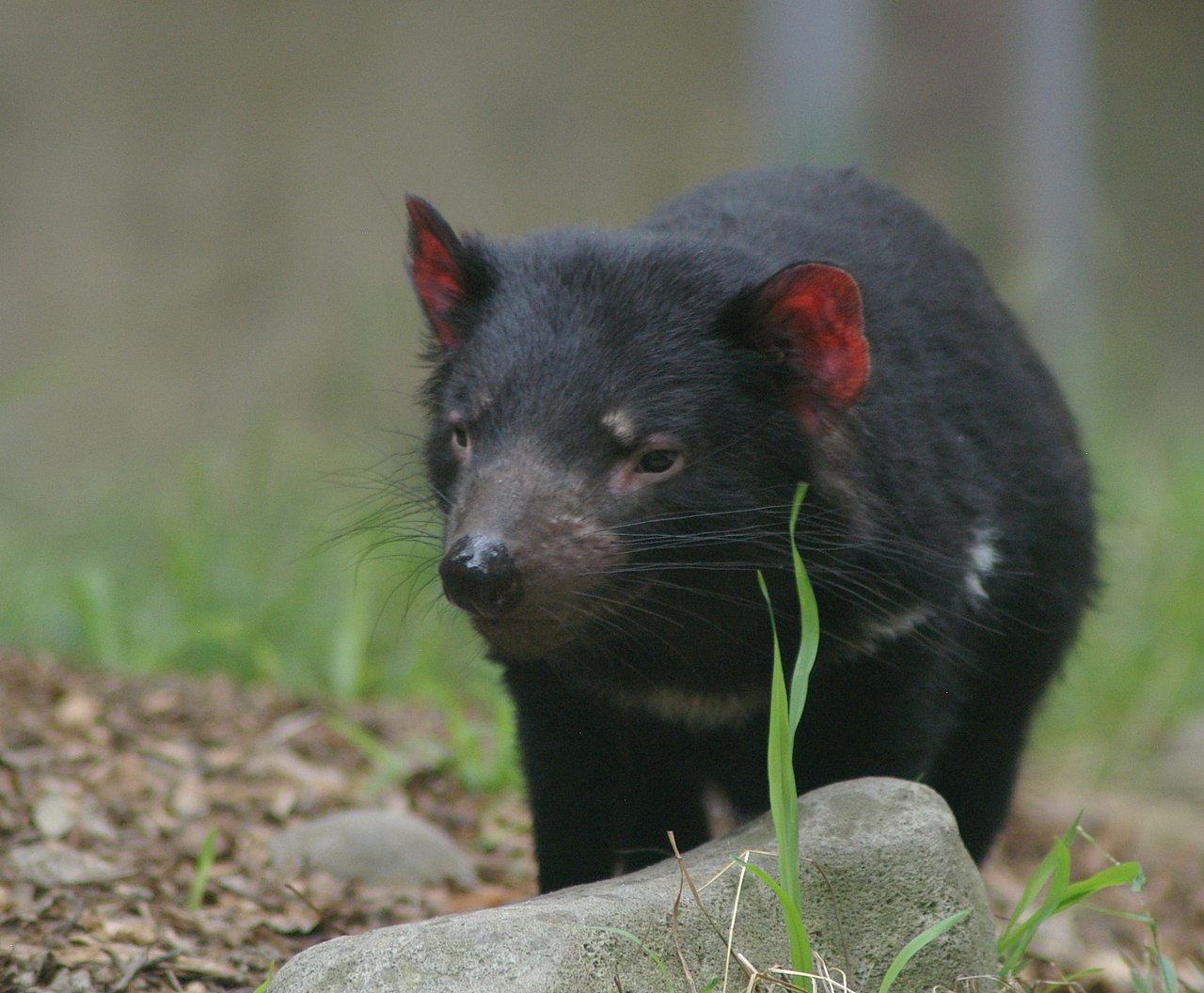
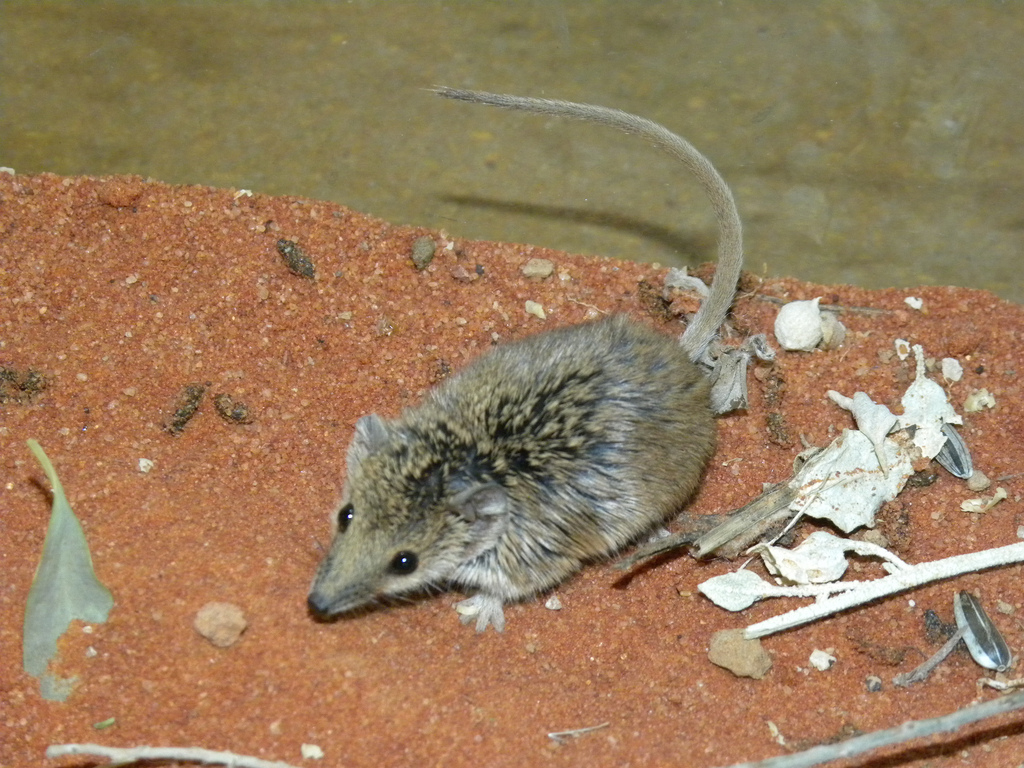
Dasyurids have dentition and skull structures adapted for meat-eating; many species have sharp, pointed teeth and strong bites for consuming invertebrates, small vertebrates and carrion. Size varies from tiny planigales and dunnarts to the stocky Tasmanian devil, the largest living dasyurid. Fur, tail shape and coloration vary by habitat and genus.
Behavior and reproduction
Most species are nocturnal or crepuscular and are active hunters or opportunistic scavengers. Reproduction follows typical marsupial patterns: brief gestation, birth of underdeveloped young and continued development in a pouch or skin folds. Some genera show unusual strategies — for example, several antechinus species undergo a single intense breeding season followed by male die-off (semelparity).
Distribution, habitat and ecology
Dasyurids occupy a wide range of habitats from arid interior zones to wet forests and coastal scrub. They play important ecological roles as insectivores and small predators, helping regulate invertebrate and rodent populations and contributing to nutrient cycling.
Taxonomy and evolution
The family is commonly divided into groups often treated as subfamilies (for example, larger dasyurines and smaller sminthopsines), and its members represent a diverse adaptive radiation within Dasyuromorphia. Extinct relatives and fossil records show a longer history of dasyurid-like marsupials in Australasia.
Conservation
Several dasyurid species face threats from habitat loss, introduced predators (for example feral cats and foxes), changed fire regimes and disease. The Tasmanian devil has been a major conservation focus because of a transmissible facial tumour, while other species such as some quolls and dunnarts are monitored for declines.
Notable groups
- Quolls — medium-sized, often spotted predators that take mammals, birds and reptiles.
- Antechinuses and phascogales — small, insectivorous/carnivorous species with varied life histories.
- Dunnarts and planigales — tiny, ground-dwelling hunters of invertebrates.
- General resources: family overviews and marsupial biology guides are available for further reading (family overview, marsupial biology, carnivore ecology, Dasyuromorphia).
For taxonomic details and conservation status consult specialist faunal guides and regional wildlife authorities (classification, species accounts).
Related articles
Author
AlegsaOnline.com Dasyuridae — carnivorous marsupials of Australia and New Guinea Leandro Alegsa
URL: https://en.alegsaonline.com/art/25626