
Deinosuchus: the giant alligator relative of the Late Cretaceous
Deinosuchus was a giant, extinct alligatoroid that lived about 80–73 million years ago in North America. Known from fragmentary remains, it was an ambush apex predator with crushing teeth and heavy osteoderms.
Overview
Deinosuchus was a very large, extinct crocodylian closely related to modern alligators. It lived in what is now North America during the Late Cretaceous, roughly the Upper Cretaceous period, about 80 to 73 million years ago. Unlike living crocodilians, Deinosuchus reached extreme sizes and occupied coastal and nearshore environments on both sides of the Western Interior Seaway, where it acted as a dominant predator.
Image gallery
10 Images




Physical characteristics
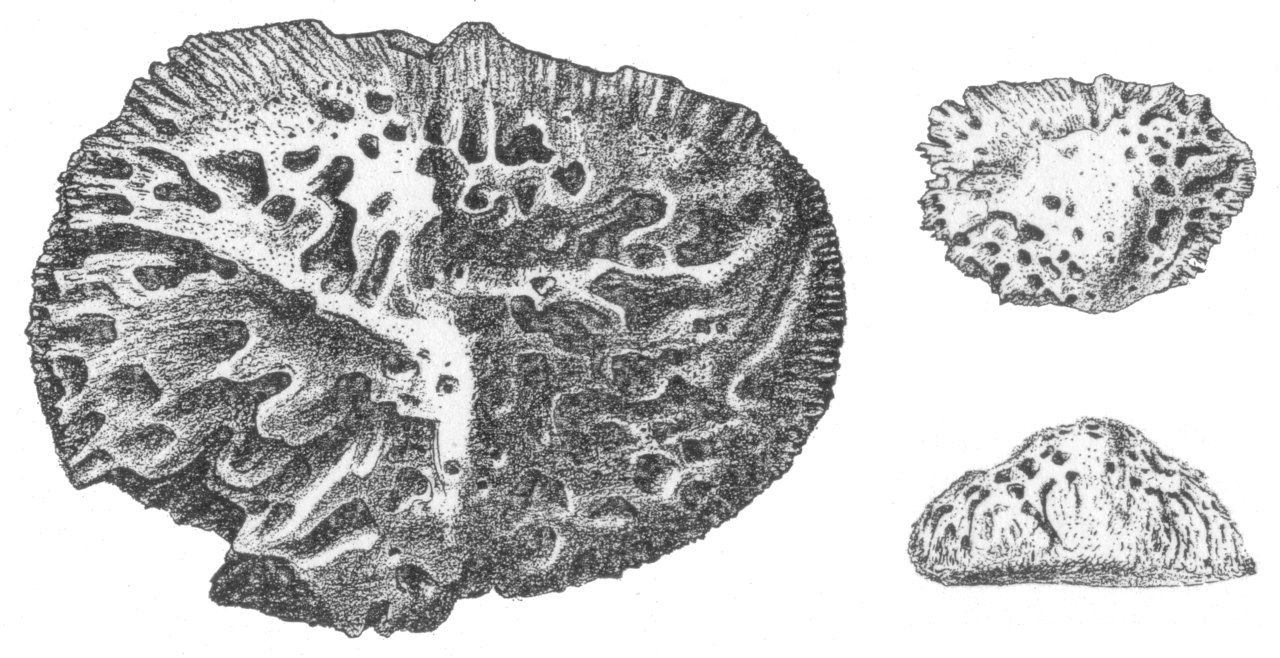
Overall, Deinosuchus resembled modern alligators and crocodiles in body plan: a broad, flattened skull, powerful tail, and limbs suited for a semi-aquatic life. It differed in scale and some details of construction. Adults grew to enormous dimensions — estimates from fossil material suggest lengths up to about 12 m and masses possibly measured in several tonnes — and its back was armored with thick, round bony plates called osteoderms. The teeth were robust and blunt, adapted more for crushing than for cutting, indicating a diet that included hard-shelled prey as well as large vertebrates.
Discovery and study
Fragmentary bones now assigned to Deinosuchus were first found in the 1850s in North Carolina. The genus was formally named and described in 1909, and the name appears in early twentieth-century scientific literature (original description). Collections and reconstructions in museums, such as an influential skull model exhibited at the American Museum of Natural History, helped raise public awareness, but early reconstructions relied on limited material and were sometimes inaccurate. More complete skull elements and better fossils discovered in later decades have refined scientific understanding (new skull material). Scientific debate continues about how many species are represented by the known remains, and whether eastern and western populations represent separate taxa (taxonomic questions).
Range, habitat and ecology
Fossils attributable to Deinosuchus have been recovered from multiple sites across North America, including specimens from at least ten U.S. states and northern Mexico. These finds show it lived in coastal plains, estuaries, and riverine systems. As a large, mostly aquatic ambush predator, it likely fed on a mix of prey: fish and other aquatic animals, sea turtles, and possibly very large animals such as dinosaurs. Its stout, crushing dentition and powerful bite would have allowed it to take and process large or heavily armored prey (ambush apex predator).
Growth, lifespan and behavior
Bone studies and comparisons with living crocodilians suggest Deinosuchus grew at a pace similar to modern relatives but for a much longer period, giving it time to reach gigantic size. Some growth models indicate individuals may have lived for decades, possibly several decades longer than typical modern crocodilians. Its lifestyle was probably semi-aquatic and ambush-oriented: waiting in water near the shoreline to seize prey that approached the margin.
Notable distinctions and paleobiological importance
- Taxonomy: Deinosuchus is an alligatoroid relative rather than a true crocodile; its exact species-level diversity is debated (alligator relationship).
- Size extremes: it is among the largest known crocodylians, rivaling other giant Mesozoic taxa in mass and length.
- Ecological role: as an apex predator it influenced shoreline and estuarine food webs and may have preyed upon large dinosaurs near water (potential dinosaur predation).
- Geographic distribution: abundant in eastern North America while attaining its largest sizes in western populations, illustrating regional variation in prehistoric ecosystems.
Deinosuchus remains a compelling subject for paleontologists because it combines familiar crocodilian anatomy with extreme size and ecological power. Continued fossil discoveries and improved analyses of skulls, teeth, and growth lines are clarifying how this giant lived and how it differed from both its modern relatives and other extinct giant crocodylians. For additional background or specimen records consult regionally focused collections and modern reviews (U.S. occurrences, skull research). For accessible overviews see museum summaries and educational resources (historical finds, museum exhibits).
Questions and answers
Q: What is Deinosuchus?
A: Deinosuchus is an extinct relative of the alligator which lived 80 to 73 million years ago, in the Upper Cretaceous period.
Q: When was it first discovered?
A: The first remains were discovered in North Carolina in the 1850s.
Q: How large was Deinosuchus?
A: Deinosuchus was far larger than any modern crocodile or alligator; it was up to 12 m (39 ft) and weighed up to 8.5 metric tons (9.4 short tons).
Q: Where have fossils been found?
A: Fossils of Deinosuchus have been found in ten U.S. states, as well as northern Mexico. It lived on both sides of the Western Interior Seaway.
Q: Was it more abundant on one side of the seaway than the other?
A: Yes, Deinosuchus reached its largest size in its western habitat, but the eastern populations were far more abundant.
Q: What did it feed upon? A: It is believed that Deinosuchus may have fed upon sea turtles, fish, and other aquatic and terrestrial prey, including large dinosaurs.
Q: How long did they live for? A: One study suggests that Deinosuchus may have lived for up to 50 years, growing at a similar rate to that of modern crocodilians but growing for a much longer period
Related articles
Author
AlegsaOnline.com Deinosuchus: the giant alligator relative of the Late Cretaceous Leandro Alegsa
URL: https://en.alegsaonline.com/art/26323