
Decapods (Decapoda): ten-footed crustaceans
Decapoda is an order of malacostracan crustaceans that includes crabs, lobsters, shrimp, prawns and crayfish; they are diverse in form, ecology, and economic importance.
Overview
Decapoda is an order of crustaceans within the broader class Malacostraca. Members of this order are commonly called decapods — literally "ten-footed" — because adults typically bear five pairs of walking legs. Well-known examples include crayfish, crabs, lobsters, prawns and shrimp. Decapods occur in nearly every aquatic habitat on Earth and some live in freshwater or on land.
Image gallery
10 Images



Key characteristics
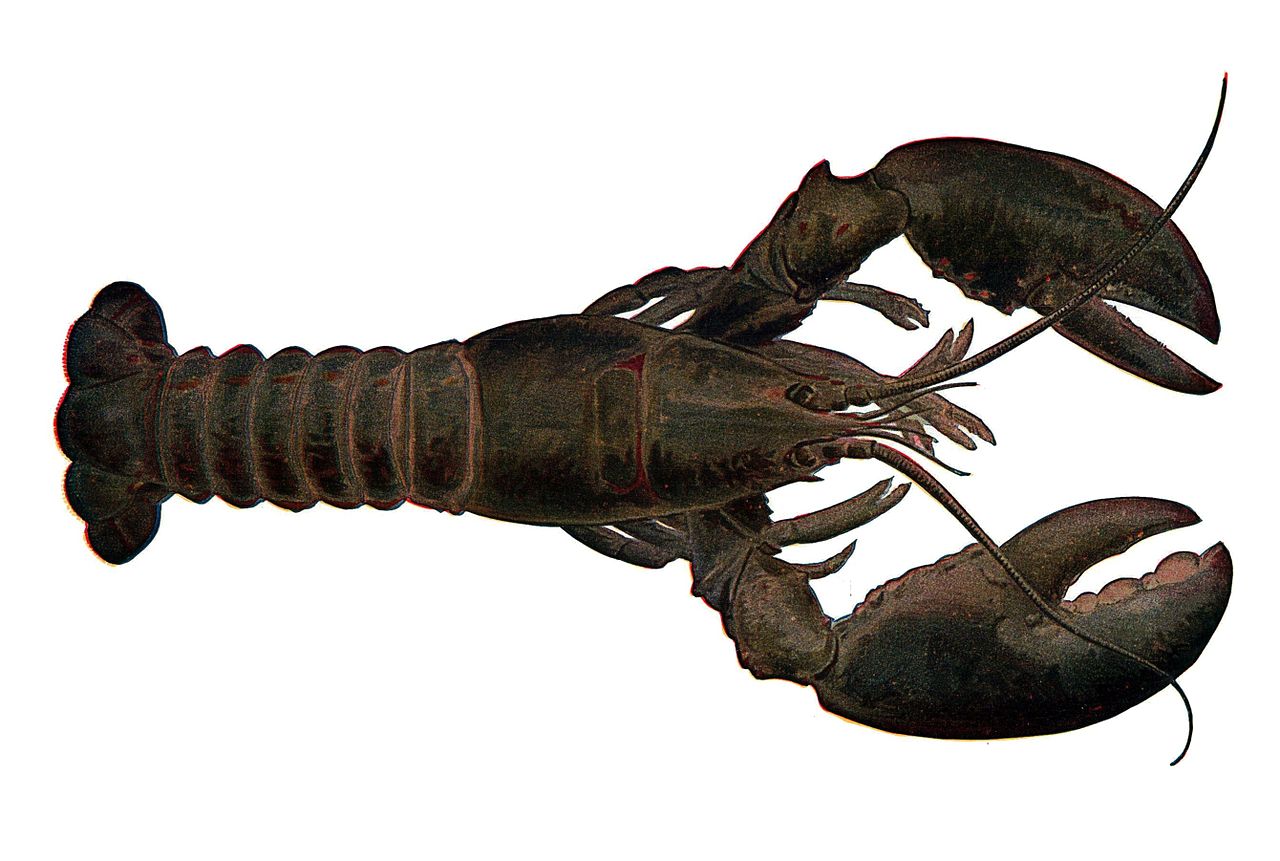
- Body plan: a fused head and thorax (cephalothorax) covered by a carapace, and a segmented abdomen.
- Appendages: five pairs of thoracic walking legs; the first pair often bears claws (chelae).
- Respiration: gills beneath the carapace; many species require well-oxygenated water or moist air.
- Growth: an exoskeleton that must be periodically shed (molt) to allow growth.
- Life cycle: most have complex larval stages and develop through multiple molts to adulthood.
Diversity and classification
The order contains a large diversity of forms, from elongated, swimming shrimp and prawns to the compact bodies of crabs. Taxonomists divide decapods into several major groups (infraorders) that reflect evolutionary relationships and ecological specializations. These groups include true shrimp, lobsters and crayfish, true crabs and several other lineages. Common names like "shrimp" and "prawn" are used differently in fisheries and cuisine and do not always match strict scientific categories.
Ecology and behavior
Decapods perform a wide range of ecological roles. Many species scavenge on dead organic matter, helping to recycle nutrients. Some are active predators that hunt live prey, while others graze on vegetation or filter plankton. For example, many crabs are mixed feeders that consume algae and small animals, and they may prey on molluscs. Lobsters tend to consume live prey, whereas shrimp and prawns are often important both as predators of small organisms and as prey for larger animals.
Human uses and conservation
Decapods are economically important worldwide. Fisheries and aquaculture target numerous species for food, and decapods are central to cuisines from many cultures. They are also studied in research on development, physiology and ecology. At the same time, many populations face pressures from overfishing, habitat degradation and pollution, prompting management and conservation efforts.
Notable facts
- Some decapods, like hermit crabs, use discarded shells for protection; others show complex behaviors such as burrowing or social mating displays.
- The fossil record shows that decapods have ancient origins and have diversified into a wide array of ecological niches.
For readers seeking more technical treatments, professional taxonomic references and field guides provide detailed keys and distributional information for the many families and species of decapods.
Questions and answers
Q: What is Decapoda?
A: Decapoda is an order of crustaceans in the class Malacostraca.
Q: What are some familiar groups that belong to Decapoda?
A: Some familiar groups that belong to Decapoda are crayfish, crabs, lobsters, prawns and shrimp.
Q: What do many decapods eat?
A: Many decapods are scavengers and they eat dead plants and animals.
Q: What type of food do crabs eat?
A: Crabs are mixed feeders, taking algae and shellfish such as mollusks.
Q: What is the diet of lobsters?
A: Lobsters eat mostly live prey.
Q: Are decapods herbivores or carnivores?
A: Decapods can be both herbivores and carnivores depending on their specific diet.
Q: What is the class of crustaceans that Decapoda belongs to?
A: Decapoda belongs to the class Malacostraca.
Related articles
Author
AlegsaOnline.com Decapods (Decapoda): ten-footed crustaceans Leandro Alegsa
URL: https://en.alegsaonline.com/art/26102
Sources
- nhm.org : An updated classification of the Recent Crustacea