
Dasyuromorphia: carnivorous and insectivorous Australasian marsupials
Dasyuromorphia are an order of mostly small to medium carnivorous and insectivorous marsupials from Australia, New Guinea and Tasmania, including quolls, dunnarts, the numbat and the Tasmanian devil.
Overview
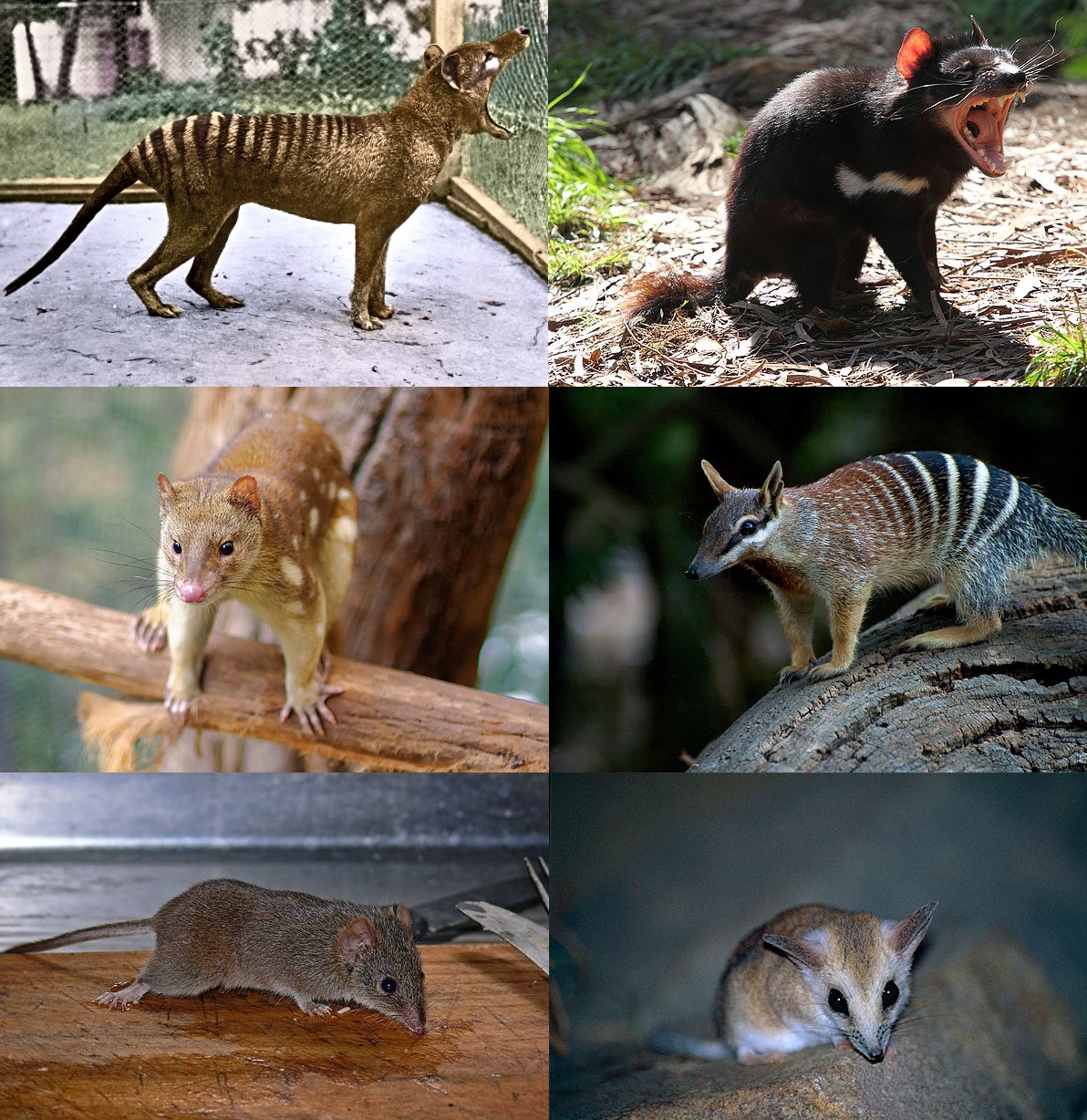
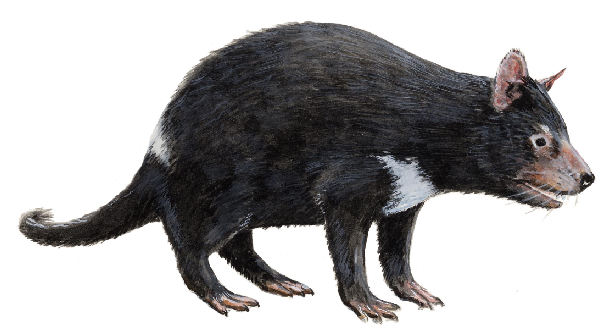
Dasyuromorphia is an Australian and New Guinean group of marsupials that are primarily meat- or insect-eaters. Members range in size and appearance from tiny, mouse-like species to the stocky, powerful predator familiar as the Tasmanian devil. Biologists treat the group as an order of mammals characterized by a suite of adaptations for hunting and processing animal prey.
Image gallery
9 Images





Physical characteristics and dentition
Species in this order are diverse in form: some look rodent-like, others shrew-like, and a few have convergently evolved features that appear cat-like or dog-like. Their teeth are typically adapted for shearing flesh or crushing exoskeletons, and many have strong forelimbs and claws for capturing prey. Reproductive anatomy varies: most species have a ventral pouch for rearing young, some (for example certain broad-footed mice) possess only skin folds instead of a full pouch, and the numbat is notable for lacking a pouch entirely.
Taxonomy and notable species
The order is usually divided into a few families, with most living species placed in the Dasyuridae (small to medium carnivores such as quolls, antechinuses and dunnarts). The numbat belongs to Myrmecobiidae and is a specialised termite-eater, while the thylacine represented an extinct family often associated with the group. Current counts place the order at roughly sixty or so species, though exact totals vary with new research and taxonomic revision.
- Common groups: quolls, dunnarts, antechinuses, the numbat, Tasmanian devil.
- Feeding specializations: strict carnivores, omnivorous insectivores, and termite specialists.
Evolution, distribution and ecology
Dasyuromorphs evolved in Australasia and occupy a wide range of habitats from arid interior to rainforest margins. Fossil and molecular evidence indicate they diversified after Australia became isolated, filling small to medium predatory niches largely absent of placental competitors. Ecologically they play roles as insect controllers, small-vertebrate predators and, in the case of larger species, top or mesopredators in island ecosystems such as Tasmania.
Conservation and human interactions
Several dasyuromorph species face threats from habitat loss, altered fire regimes, invasive species, and disease. The Tasmanian devil population decline from a contagious facial tumor disease is a high-profile conservation issue. The extinction of the thylacine in the 20th century is a reminder of the vulnerability of island predators to human impacts. Conservation efforts include habitat protection, disease research, captive breeding and translocation programs.
For further reading on classification, natural history and species accounts see specialist resources and field guides: consult taxonomic summaries linked to institutional pages and conservation sites for updated lists and recovery plans (examples: carnivorous, insectivorous, marsupials). Additional background on life history and adaptations is available through museum and academic portals (rodent-like, shrew-like, cat-like, dog-like, folds of skin, numbat).
Questions and answers
Q: What are Dasyuromorphia?
A: Dasyuromorphia are an order of carnivorous or insectivorous marsupials that vary in appearance from rodent-like to shrew-like to cat-like to dog-like.
Q: How many species are there in Dasyuromorphia?
A: There are 63 species in 3 families.
Q: Which animal is the most famous member of the Dasyuromorphia order?
A: The Tasmanian devil is the most famous member of the Dasyuromorphia order.
Q: Do all marsupials in Dasyuromorphia have a pouch on their belly?
A: Most of the marsupials in Dasyuromorphia have a pouch on their belly, but some of the broad-footed marsupial mice have only folds of skin instead of true pouches, and the numbat lacks a pouch entirely.
Q: What is the appearance of Dasyuromorphia?
A: Dasyuromorphia vary in appearance from rodent-like to shrew-like to cat-like to dog-like.
Q: How many families are there in Dasyuromorphia?
A: There are 3 families in Dasyuromorphia.
Q: Is one of the Dasyuromorphia families extinct?
A: Yes, one of the families in Dasyuromorphia is probably extinct.
Related articles
Author
AlegsaOnline.com Dasyuromorphia: carnivorous and insectivorous Australasian marsupials Leandro Alegsa
URL: https://en.alegsaonline.com/art/25627