
Daphne (mythology)
Daphne, a nymph in Greek mythology, transformed into a laurel tree to escape Apollo; her story explains the sacred laurel and inspired art, literature, and ritual crowns for victors and poets.
Overview
Daphne (Greek: Δάφνη) is a figure of ancient Greek myth traditionally described as a nymph, often identified as the daughter of the river-god Peneus. Her name literally means "laurel," and the best-known story about her explains the origin of the laurel tree and its association with the god Apollo. The tale has been recounted in various ancient sources and has become a recurrent motif in Western art and literature.
Image gallery
10 Images



The myth
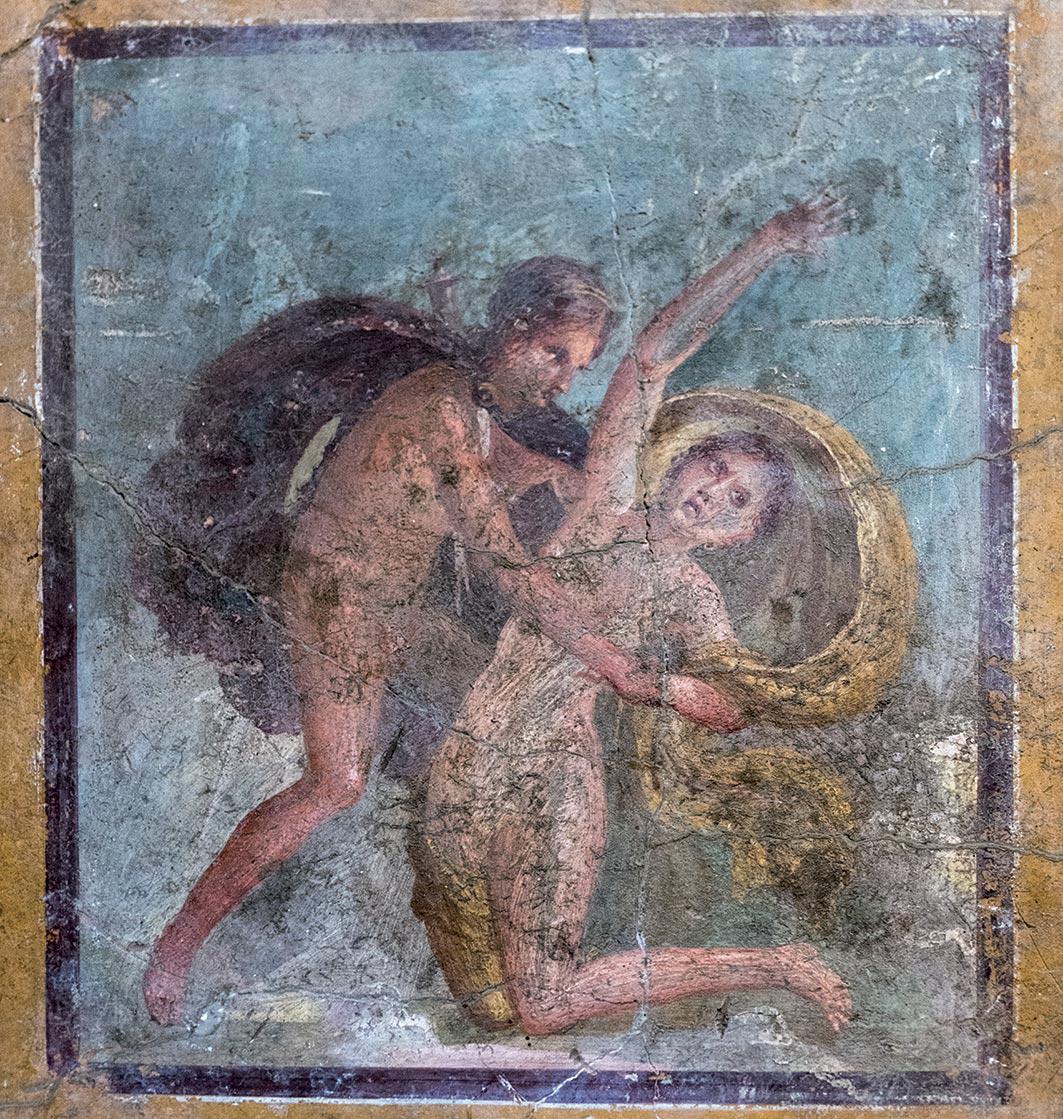
The most familiar version, preserved most famously by the Roman poet Ovid, relates that Apollo, having mocked the god of love, Eros, was himself struck by one of Eros's golden arrows and fell desperately in love with Daphne. Eros, in retaliation, caused Daphne to be repelled by love by shooting her with a leaden arrow. Pursued by Apollo, Daphne fled and begged her father, the river-god Peneus, for rescue. To protect her chastity and life she was transformed into a laurel tree at the moment Apollo reached her. Apollo, grieving and devoted, adopted the laurel as his sacred plant and fashioned its branches into wreaths to crown victors and poets.
For a classical literary account, see Ovid, Metamorphoses. Alternate retellings and brief summaries appear in many mythographic collections and scholia; for a concise treatment consult ancient summaries and modern encyclopedic entries.
Variations and sources
Ancient authors differ in small details: some call Daphne a dryad (a tree-nymph), others a naiad (a water-nymph) linked to rivers of Thessaly. The names of places, the role of intermediaries and the precise moment of transformation vary by poet and era. The core elements—the unrequited pursuit, the plea to a parent, and the metamorphosis into laurel—are consistent. Readers can compare versions in translations and commentaries at classical texts and in later retellings at modern compilations.
Symbolism, cult, and uses
The laurel (Laurus nobilis) quickly became emblematic of poetic achievement, prophetic authority and military victory because of its link to Apollo. In the ancient world laurel wreaths were awarded at certain festivals and games associated with Apollo; the plant also figured in oracle and healing cults under his patronage. Over centuries the laurel wreath evolved into the emblem of the poet laureate and a general symbol of honor, appearing in academic, state and artistic contexts. For studies of ritual and symbolism see scholarship and museum treatments at collections.
Artistic and cultural reception
Daphne's transformation has inspired painters, sculptors and writers from antiquity to the present. Renaissance and Baroque artists revisited the dramatic moment of change; Gian Lorenzo Bernini's marble group "Apollo and Daphne" is a celebrated Baroque example that captures the transfixing instant of metamorphosis. Poets and novelists have used the story to explore themes of desire, chastity, resistance and the relationship between humans and nature. Further images and analyses are available via gallery catalogues and critical essays at image archives and literary overviews at literary resources.
Notable points and distinctions
- Daphne's parentage links her to Thessaly; sources identify Peneus as her father, situating the myth in a northern Greek landscape.
- The moral and emotional tone of the story has been interpreted variously: as a tale of chastity, a critique of aggressive desire, or an aetiology for botanical cult practice.
- The laurel's evergreen character in myth—often said to remain fresh forever—reinforces Apollo's commemoration of Daphne; this attribute influenced its ceremonial use.
- For reference editions and translations, including the passage in Ovid often cited as Book I, lines 452–567, consult critical texts and translations listed at bibliographic resources.
Because versions differ and the story has been reshaped in art and literature, Daphne remains a flexible figure whose myth explains a natural symbol, reflects ancient religious values, and continues to provoke reflection on pursuit, transformation and the boundaries between human and natural worlds.
Related articles
Author
AlegsaOnline.com Daphne (mythology) Leandro Alegsa
URL: https://en.alegsaonline.com/art/25477