
Cyprus cat — the native Cypriot landrace
The Cyprus cat is a native landrace on the island of Cyprus. Not a formal breed, it includes diverse domestic and feral populations with ancient roots, local traditions, and ongoing welfare and conservation issues.
Overview
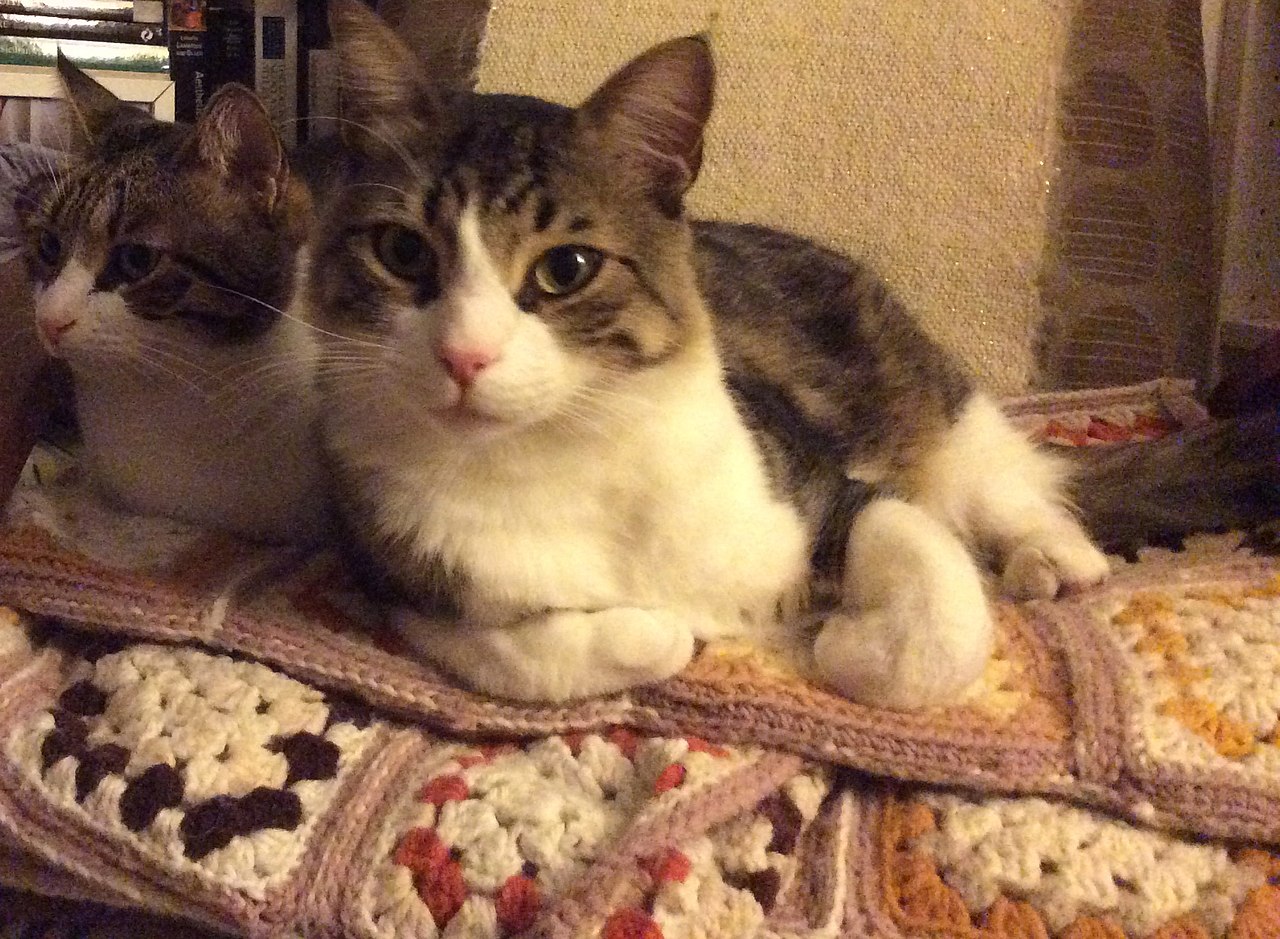
The term "Cyprus cat" generally refers to the population of domestic and free‑living cats that occur on the eastern Mediterranean island of Cyprus. Rather than a formally standardized breed, these animals represent a landrace: a locally adapted, genetically diverse group of cats shaped by climate, human settlement and centuries of movement across the region. Individuals vary in size, coat and temperament, and they may be found both as household companions and as feral colonies in villages, towns and rural areas.
Image gallery
7 Images



Characteristics
Because the Cyprus cat is not a single recognized breed, there is no single fixed standard. However, some common features appear frequently across the island's population:
- Medium build with muscular, agile bodies adapted to hunting and roaming.
- Wide variety of coat colors and patterns, including tabby, solid, tortoiseshell and white markings.
- Short to medium fur suited to the Mediterranean climate.
- Behavior ranges from social and people‑friendly to wary and independent among feral colonies.
History and origins
Local tradition links the island's cats to ancient times and to neighboring regions. Some stories attribute their arrival to contacts with places like ancient Egypt or Palestine, and a well‑known legend credits Saint Helena with introducing cats to help control snakes. Archaeological and historical evidence shows humans moved cats around the Mediterranean for pest control and companionship, so the island's cat population likely has mixed origins and a long presence. It is important to treat specific origin stories cautiously: while cultural narratives are important, the precise genetic history is complex and not fully resolved in broad popular accounts.
Cultural significance and modern situation
Cyprus cats have a visible role in island life. They appear in local folklore, live in and around religious sites and archaeological areas, and are commonly encountered by residents and visitors. Many cats are kept as pets, while substantial numbers live as free‑ranging or feral animals. This has led to active community responses: animal welfare groups, municipal programs and volunteers run trap‑neuter‑return (TNR) initiatives, feeding stations and adoption efforts to reduce suffering, manage populations and minimize disease.
Distinctions and notable facts
Unlike recognized breeds such as the Turkish Van or Egyptian Mau, the Cyprus cat is best understood as a landrace rather than a standardized show type. That distinction matters for conservation and welfare: efforts focus on humane population control, veterinary care and preserving the genetic and ecological role of these cats in their local setting rather than on creating a uniform breed standard. For more general information on domestic cats, see domestic cat resources, and for regional context consult sources about the island of Cyprus.
Questions and answers
Q: What is a Cyprus cat?
A: The Cyprus cat is a breed of cat.
Q: Where are Cyprus cats believed to have originated from?
A: Cyprus cats are thought to have first come from ancient Egypt or Palestine.
Q: Who brought Cyprus cats to the island of Cyprus?
A: Cyprus cats were brought to the island of Cyprus by St. Helen.
Q: Where do Cyprus cats typically live?
A: Cyprus cats are now common domestic cats that live in homes or outside.
Q: Do all Cyprus cats currently live in homes or with humans?
A: No, a large number of Cyprus cats are feral, meaning they are not tame and they run wild.
Q: Are there still many Cyprus cats living all over Cyprus?
A: Yes, many of these cats still live all over Cyprus.
Q: What is the origin story of Cyprus cats?
A: Cyprus cats are believed to have originated from ancient Egypt or Palestine and were brought to the island of Cyprus by St. Helen.
Related articles
Author
AlegsaOnline.com Cyprus cat — the native Cypriot landrace Leandro Alegsa
URL: https://en.alegsaonline.com/art/24930