
Cypriniformes: carps, minnows and their freshwater relatives
An overview of Cypriniformes, a diverse order of freshwater ray-finned fishes including carps, minnows and loaches; their traits, diversity, distribution, uses and conservation issues.
Overview
Cypriniformes is an order of ray-finned fishes that comprises many familiar freshwater species such as carps and minnows. Members of this group occur primarily in rivers, lakes and streams and are notable for their ecological diversity, economic importance and popularity in the aquarium trade.
Image gallery
10 Images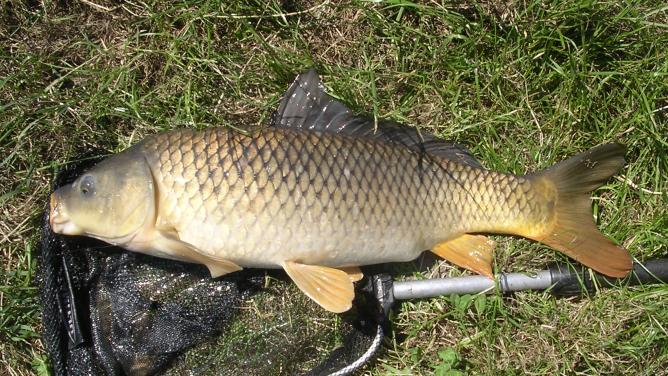


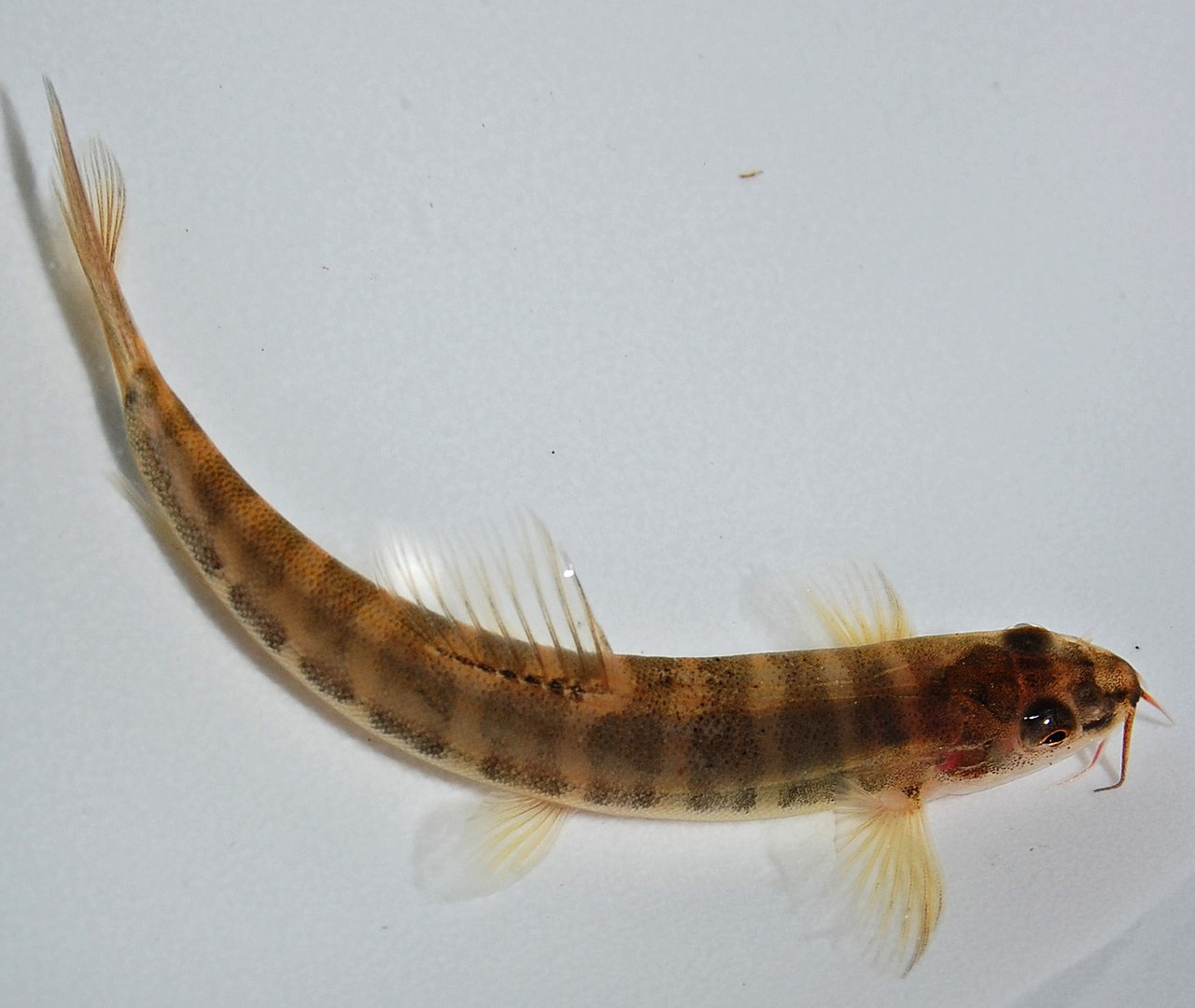


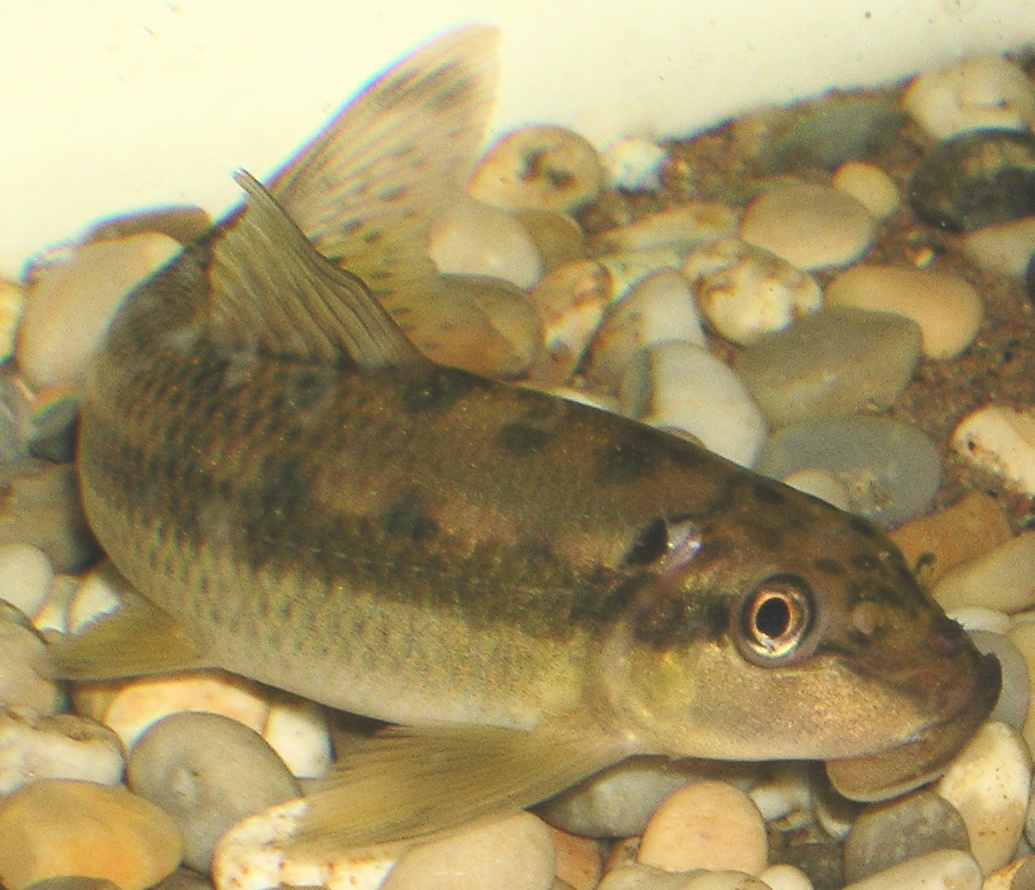


Diversity and classification
The order includes roughly about 320 genera and more than 3,200 described species, making it one of the largest groups of freshwater fishes. The family Cyprinidae (carps and true minnows) is the largest single family within the order. Other groups commonly associated with Cypriniformes include loaches and various small-bodied benthic fishes; taxonomic boundaries have been revised repeatedly as molecular studies refine relationships.
Characteristics
- Jaw structure: most cypriniforms lack teeth on the jaws but possess specialized pharyngeal teeth in the throat for processing food.
- Hearing and balance: members of the superorder that includes Cypriniformes share a Weberian apparatus, a chain of bones that transmits vibrations from the swim bladder to the inner ear, improving hearing.
- Body forms: shapes range from slender, schooling minnows to deep-bodied carps and elongated loaches; scale coverage varies and some species are partially or fully scaleless.
Many cypriniforms spawn by scattering eggs over substrates, though reproductive strategies vary across species. Diets include algae, detritus, invertebrates and small animals, reflecting the order's wide dietary breadth.
Distribution, history and importance
Cypriniformes are native to freshwater systems across Eurasia, Africa and North America, with highest species richness in Asia. The group has a long evolutionary history within the freshwater fish fauna and has undergone substantial diversification in continental river basins. Several species are important food fishes (for example carp), others are keystone species in their ecosystems, and many are prized in aquaria (goldfish, danios, barbs).
Conservation and management are major concerns: some cypriniform species are threatened by habitat loss, pollution and dams, while others, like common carp, have become invasive outside their native ranges. For a concise taxonomic overview and further resources, see this taxonomic summary.
Related articles
Author
AlegsaOnline.com Cypriniformes: carps, minnows and their freshwater relatives Leandro Alegsa
URL: https://en.alegsaonline.com/art/24926