
Minnow: small freshwater fish and their roles
Minnow is a common name for small freshwater fish—often cyprinids—used as bait, aquarium food, and ecological indicators. This article explains types, uses, and how 'true minnows' are defined.
Minnow is a general, informal name for many small freshwater fish. The term is used in everyday language rather than strict scientific classification. In casual speech a wide variety of diminutive species are called minnows because of their size and schooling behaviour, and the name appears in angling and aquarium contexts alike.
Image gallery
3 Images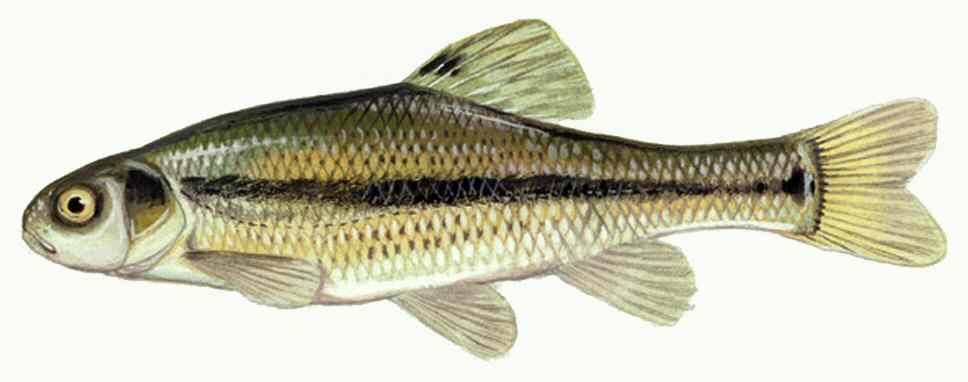


Physical characteristics
Most fishes called minnows are small, typically having slender bodies, a single dorsal fin and scales that range from nearly smooth to distinctly keeled. They often form schools and feed on insects, plankton, plant matter, or detritus. Size and coloration vary by species and habitat; some are silvery and reflective, others patterned with stripes or spots.
Classification and common examples
The label "minnow" frequently applies to members of the carp family (Cyprinidae). Within that family, the subfamily Leuciscinae contains many species commonly identified as true minnows. However, unrelated small fishes in other families are sometimes called minnows as well.
- Examples often called minnows include shiners, dace, chubs and the fathead minnow.
- Regional common names vary, so the same species may be called a minnow in one area and by another name elsewhere.
Uses and human interactions
Small fishes labeled minnows are widely used as live or dead bait in recreational fishing. They are also kept as feeder fish in aquariums and used as study subjects in schools and laboratories. Minnow-shaped lures and flies mimic their appearance to attract predatory sportfish.
Ecology, importance and conservation
Minnows play key roles in freshwater food webs as prey for larger fish, birds and other predators and as consumers of invertebrates and algae. Some minnow species are abundant and adaptable; others have restricted ranges and face threats from habitat loss, pollution and introduced predators. Monitoring minnow populations can provide useful information about freshwater ecosystem health.
Terminology and notable facts
Because "minnow" is a common name rather than a precise taxonomic term, it can cause confusion. Scientists often prefer family and genus names to avoid ambiguity. For a general overview of small freshwater fish and the carp family, see resources on cyprinids and the Carp family.
For anglers and hobbyists, understanding which species are present locally helps choose legal and effective bait and manage aquarium or pond populations responsibly.
Related articles
Author
AlegsaOnline.com Minnow: small freshwater fish and their roles Leandro Alegsa
URL: https://en.alegsaonline.com/art/65280