
Cyprinidae: the carp and minnow family
Cyprinidae is the largest family of freshwater fishes, including carps, minnows, goldfish and zebrafish. They are diverse, widespread, ecologically important and economically valuable in fisheries and aquaria.
Cyprinidae is a very large family of primarily freshwater fishes in the order Cypriniformes and the class Actinopterygii. Commonly called carps, minnows and their relatives, cyprinids include more than three thousand described species that range from tiny stream-dwelling minnows to much larger carp-like fishes. Members of this family are found across Europe, Asia, Africa and North America and occupy a wide variety of habitats.
Image gallery
10 Images
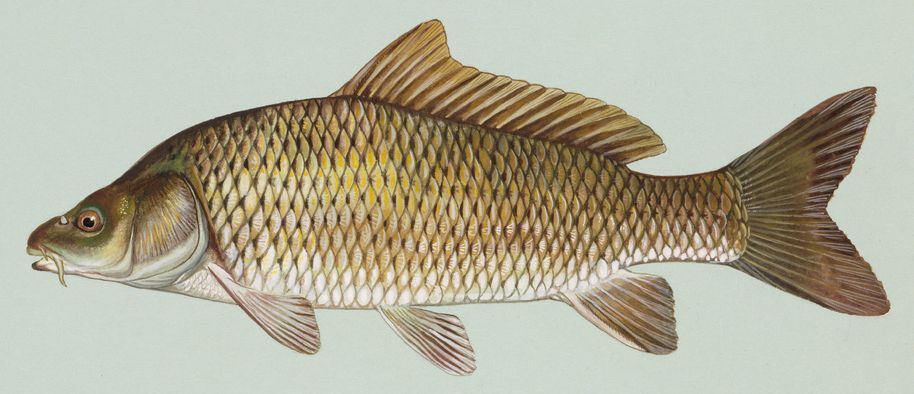


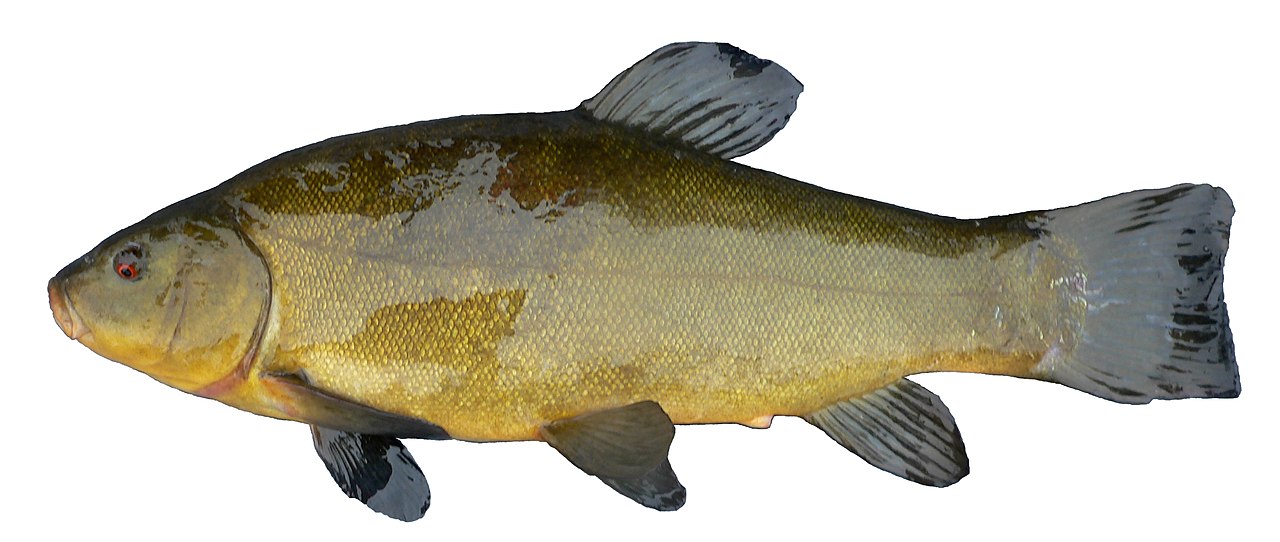

Key characteristics
- Body plan: typically a single dorsal fin, cycloid scales and a fusiform or laterally compressed body shape.
- Mouth and teeth: jaws lack true teeth; instead many cyprinids have specialized pharyngeal teeth in the throat used to process food.
- Digestive anatomy: many species lack a true stomach and have an elongated intestine adapted to their diet.
- Sensory features: some species possess barbels (fleshy sensory projections) near the mouth, while others do not.
The family is anatomically distinct from many other freshwater groups because of the presence of pharyngeal teeth and the absence of oral dentition. These traits are often used to distinguish cyprinids from superficially similar families such as cichlids or catfishes.
Diversity, distribution and evolution
Cyprinidae is notable for its high species richness and morphological variety. The group is especially diverse in temperate and tropical Eurasia, where many lineages originated and radiated. Fossil remains plus molecular studies indicate a long evolutionary history with multiple radiations that produced the wide range of forms seen today. Taxonomically the family contains numerous genera familiar to the public, such as Cyprinus, Carassius, Danio and many others.
Human uses and impacts
- Food and aquaculture: several cyprinids are important food fish, notably the common carp, and are cultivated in ponds and rice paddies.
- Aquarium and ornamental trade: goldfish and koi are domesticated forms prized for decoration, and species like the zebra danio are popular in hobby aquaria.
- Research: the zebrafish (Danio rerio) is a widely used model organism in developmental biology and genetics.
- Invasions and ecology: when introduced beyond their native ranges, some cyprinids (for example common or grass carp) can alter habitats, compete with native species and affect water quality.
Because of their economic and cultural roles, cyprinids have been moved by humans for centuries, sometimes with beneficial outcomes and sometimes with ecological costs. Conservation concerns affect many species: habitat modification, pollution, overfishing and introduced competitors or predators have placed numerous local endemics at risk.
For more general classification details see the family entry at Cyprinidae, and for broader context within ray-finned fishes consult sources on Actinopterygii. Notable points include the family's exceptional species count, the use of pharyngeal teeth rather than oral teeth, and the wide range of body sizes—from very small minnows to giant species in some regions that can exceed two metres in length.
Related articles
Author
AlegsaOnline.com Cyprinidae: the carp and minnow family Leandro Alegsa
URL: https://en.alegsaonline.com/art/24925
Sources
- fishbase.de : "Family Cyprinidae - Minnows or carps"