
Actinopterygii — the ray-finned fishes
Actinopterygii, or ray-finned fishes, are the dominant class of vertebrates. This article summarizes their anatomy, diversity, evolutionary history, habitats, and importance to ecosystems and people.
Overview
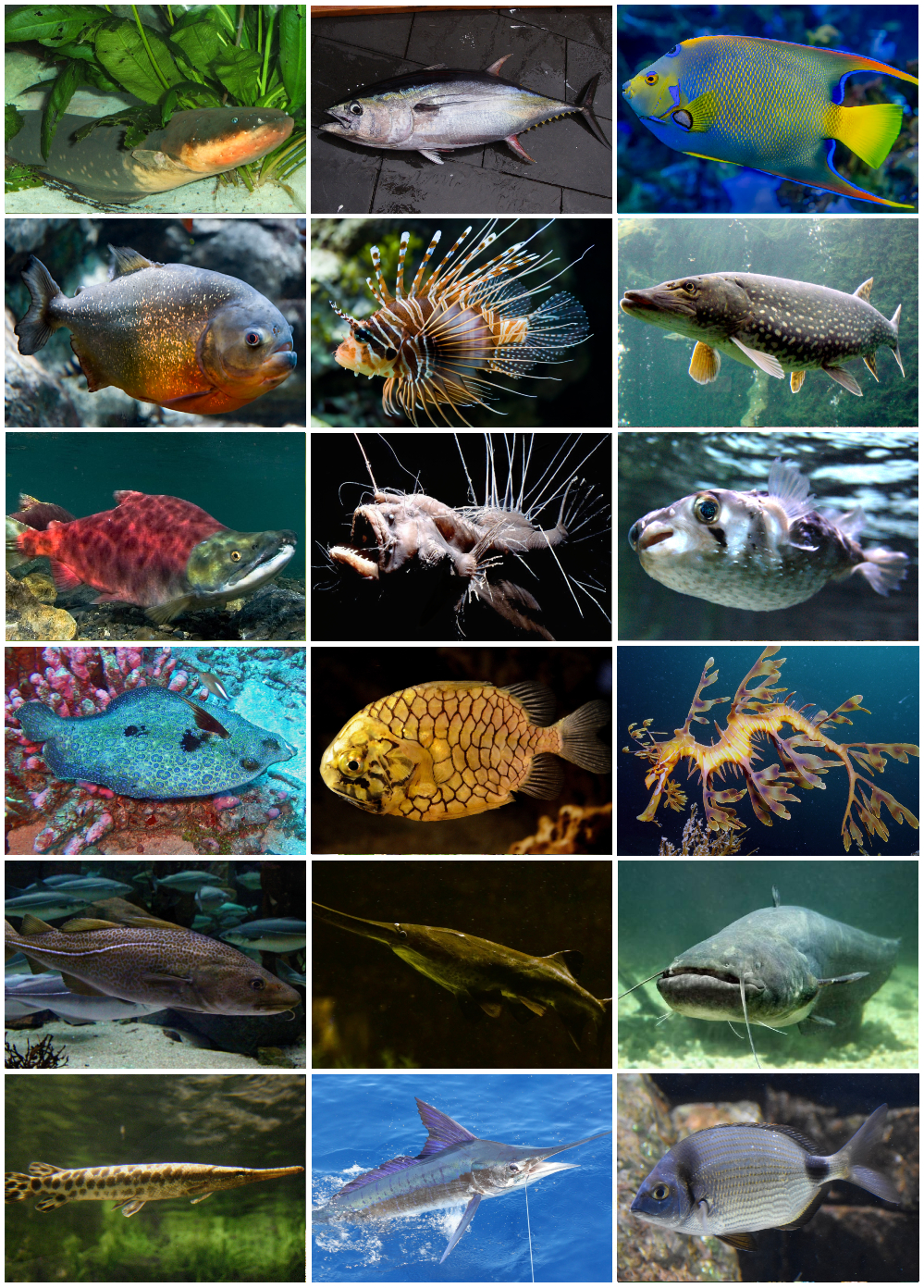
The Actinopterygii are the class commonly known as ray-finned fishes. They are distinguished by fins supported by lepidotrichia — the slender fin rays that give this group its name. For a concise taxonomic entry see Actinopterygii and a general introduction to ray-finned fishes.
Image gallery
10 Images






Anatomy and distinguishing features
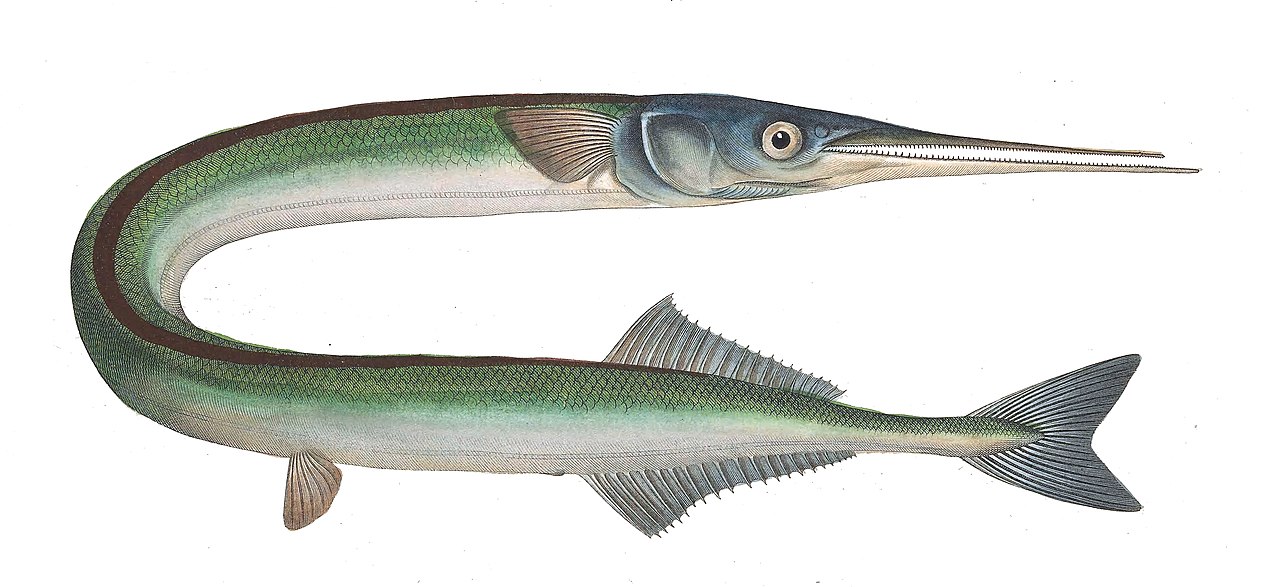
Ray-finned fishes owe their name to the fin rays, which are keratinous or bony structures that support webs of skin. These rays may be bony or horny and can form flexible spines and segmented supports often called spines. This arrangement contrasts with the fleshy, lobed fins of the Sarcopterygii, which include coelacanths and lungfishes.
Distribution and diversity
Actinopterygians are the largest class of vertebrates, comprising roughly the majority of modern fish diversity — about 25,000 species by common estimates. They occupy virtually every aquatic environment, from marine seas and estuaries to fresh water rivers and lakes. Members range from deep ocean specialists adapted to the deep sea to small fishes found in high-mountain and alpine streams.
Evolution and classification
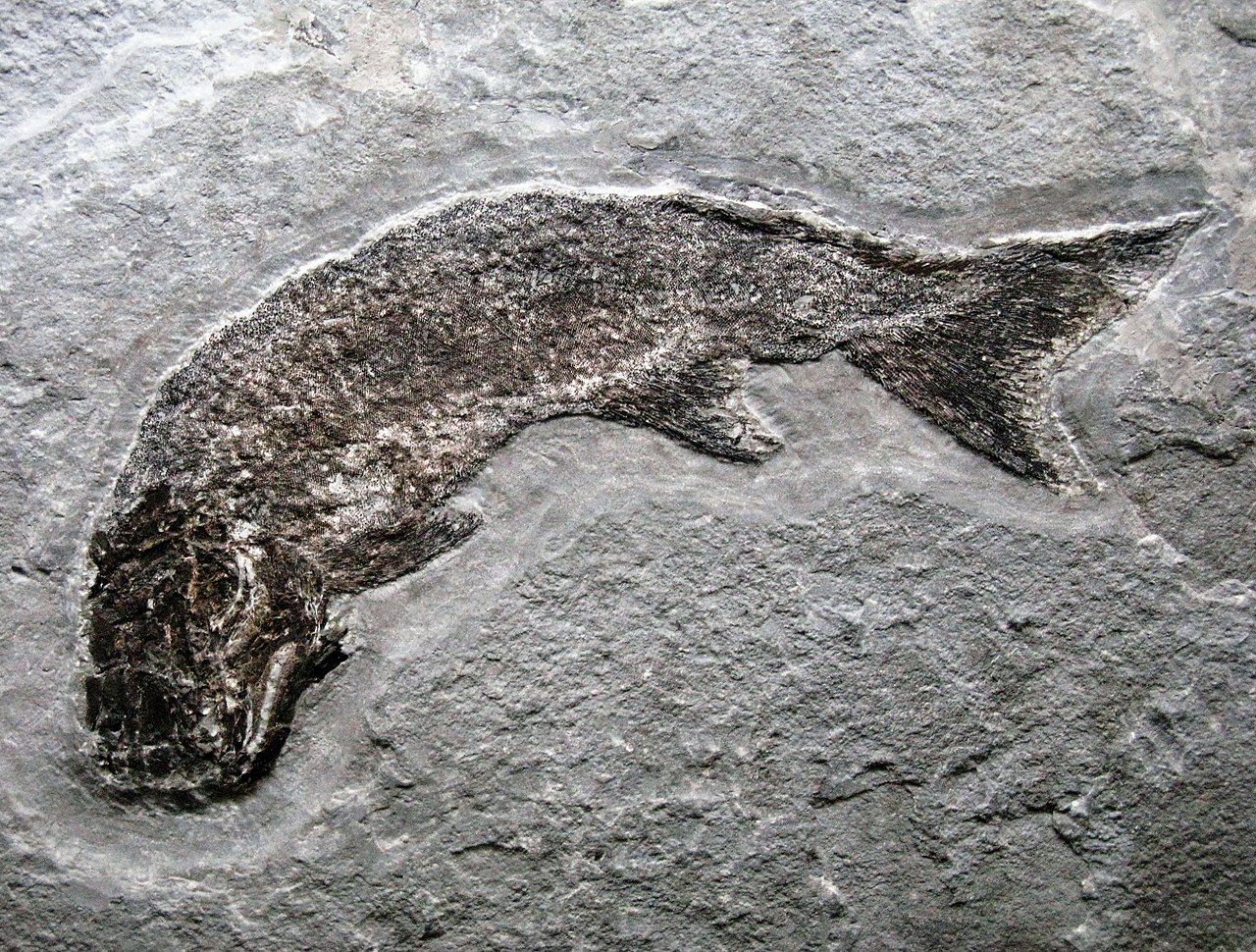
The group appears in the fossil record by the Devonian and has undergone major radiations since. Living actinopterygians are commonly organized into early-branching lineages and the more derived groups; most modern species are teleosts, which display an enormous range of body plans and life histories.
Uses, roles and notable facts
- Ecological: key components of aquatic food webs as predators, prey, and ecosystem engineers.
- Human importance: central to fisheries, aquaculture, and the aquarium trade, and important in scientific research.
- Size and form: includes some of the smallest vertebrates and some very large species; adaptations include swim bladders, varied jaw mechanics, and diverse reproductive strategies.
Actinopterygii illustrate how a basic anatomical innovation — fin rays supporting a webbed fin — can diversify into an enormous array of shapes and lifestyles, making them essential to both natural ecosystems and human economies.
Questions and answers
Q: What is the Actinopterygii?
A: The Actinopterygii is the class of ray-finned fishes.
Q: Why are they called ray-finned fishes?
A: They are called ray-finned fishes because they have lepidotrichia or "fin rays".
Q: What is the difference between the fins of ray-finned fishes and Sarcopterygii?
A: The fins of ray-finned fishes are webs of skin held by bony or horny spines ("rays"), while the Sarcopterygii have fleshy fins.
Q: Are Actinopterygians the largest class of vertebrates?
A: Yes, Actinopterygians are the largest class of vertebrates.
Q: How many species of Actinopterygians are there?
A: There are nearly 25,000 species of Actinopterygians.
Q: Where can Actinopterygians be found?
A: Actinopterygians can be found in both fresh water and marine environments, from the deep sea to the highest mountain streams.
Q: What is the most common type of Actinopterygian?
A: Most of the living species of Actinopterygians are teleosts.
Related articles
Author
AlegsaOnline.com Actinopterygii — the ray-finned fishes Leandro Alegsa
URL: https://en.alegsaonline.com/art/786
Sources
- fishbase.org : "FishBase"
- species.wikimedia.org : Actinopterygii