
Daikokuten — Japanese deity of wealth and household fortune
Daikokuten is a Japanese deity of prosperity, household protection, and agriculture, one of the Seven Lucky Gods; he developed from the Buddhist Mahākāla with roots in South Asian traditions.
Overview
Daikokuten (大黒天), often shortened to Daikoku, is a popular figure in Japan associated with good fortune, household protection and agricultural abundance. Counted among the Seven Lucky Gods, he appears in temples, shops, kitchens and folk art as a cheerful, beneficent presence. Small statues and talismans representing Daikoku are common in homes and businesses across Japan.
Image gallery
10 Images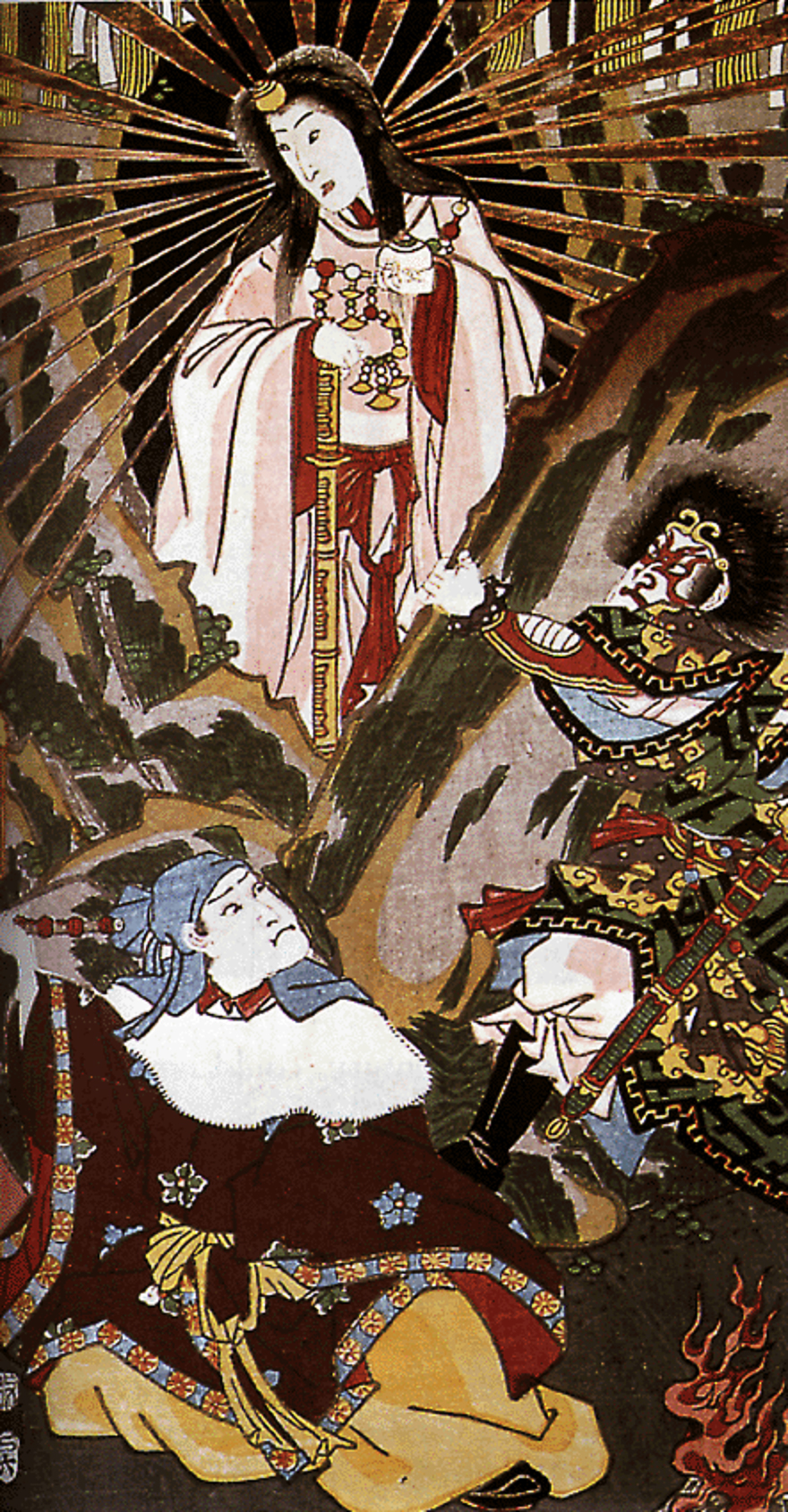


Origins and transmission
Daikokuten developed from the Buddhist protector Mahākāla, a deity that entered East Asian Buddhism via Central and South Asian religious exchange. Mahākāla itself has historical ties to Hindu traditions and figures sometimes associated with Shiva, and the name and attributes were adapted as the figure moved from India through China to Japan. Over centuries the originally fierce guardian was reinterpreted in the Japanese context as a kindly god of the kitchen and of material well‑being.
Iconography
- Appearance: usually a plump, smiling man wearing robes and a rounded hat or hood.
- Attributes: the uchide no kozuchi (magic mallet) that grants wishes, a large sack or treasure bag, and bales of rice indicating abundance.
- Companions: mice or rats are commonly shown nearby, symbolizing plentiful grain; Daikoku is at times paired with Ebisu, another of the Seven Lucky Gods.
Role and worship
Daikokuten functions as a household guardian, a patron of farmers, merchants and the storeroom. His image is placed in kitchens, near household altars or in business premises to invite prosperity and safe food supplies. During New Year and other festivals his likeness is popular on charms and prints, and communities sometimes feature him in local rites that celebrate harvest and commerce.
Syncretism and cultural legacy
The transformation of a wrathful protector into a benevolent house god illustrates broader patterns of religious syncretism in Japan, where Buddhist, Shinto and folk practices merged. Daikokuten has at times been associated or conflated with native deities such as Ōkuninushi in popular belief, reflecting flexible local interpretations. His image endures in art, folk tales, shrine and temple iconography, and in modern media, serving as both a symbol of protective power and of everyday hopes for material well‑being.
For broader context see treatments of the Seven Lucky Gods, studies of Buddhist protector deities transmitted from India to East Asia, and general overviews of religion in Japan. Connections to South Asian traditions and important parallels with figures linked to Shiva are discussed in comparative religious histories.
Related articles
Author
AlegsaOnline.com Daikokuten — Japanese deity of wealth and household fortune Leandro Alegsa
URL: https://en.alegsaonline.com/art/25111