
Danaë — mother of Perseus in Greek mythology
Danaë, daughter of King Akrisios of Argos, is best known as the mother of the hero Perseus after a divine visitation. Her story involves an oracle, imprisonment, exposure at sea, rescue on Seriphos, and wide artistic reception.
Overview
Danaë is a figure of Greek mythology, traditionally named as the daughter of King Akrisios of Argos. She is most widely remembered as the mother of the hero Perseus, conceived after a visit by the chief god Zeus. The narrative of her confinement, exposure and rescue appears in a number of classical sources and later became a frequent subject for poets, painters and sculptors.
Image gallery
8 Images





Mythic narrative
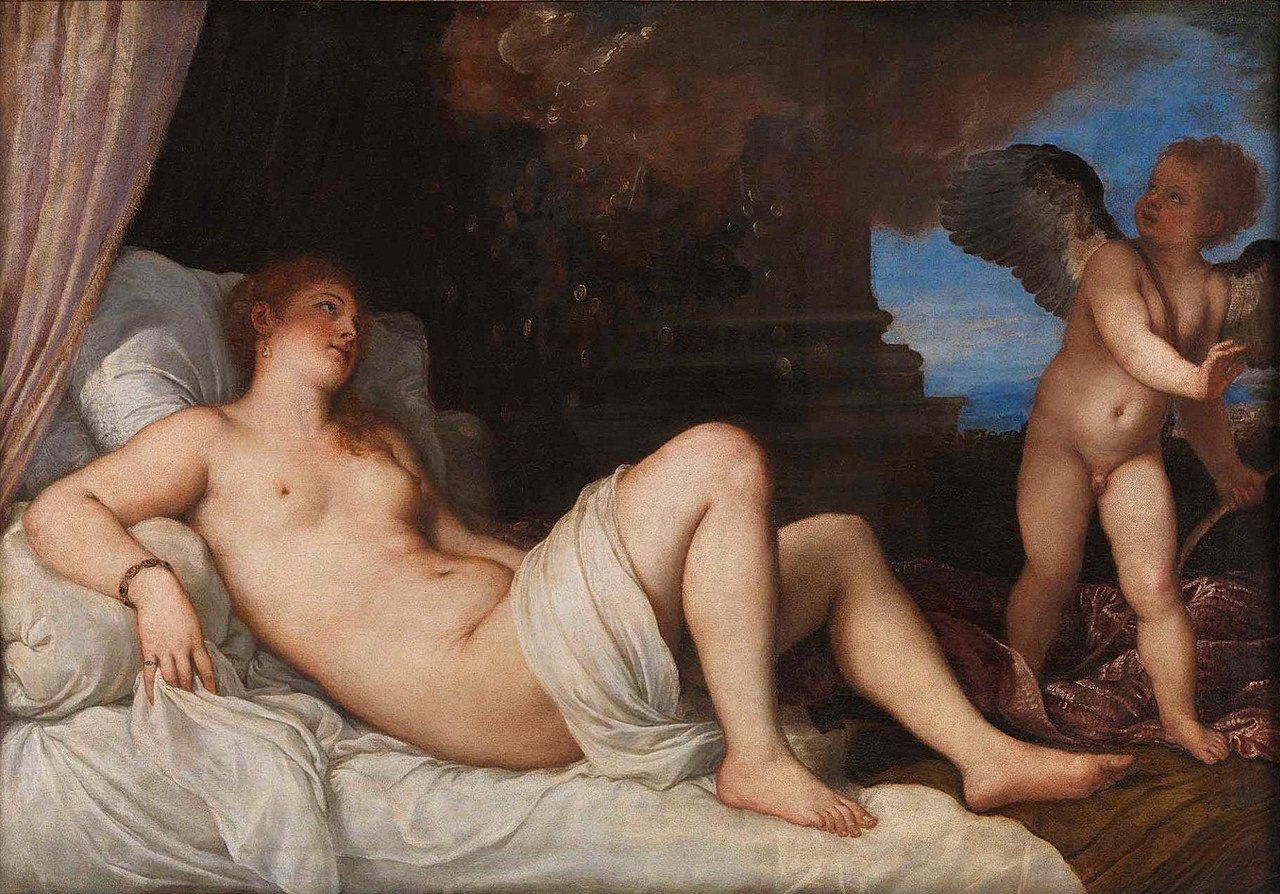
The core story begins when an oracle warns Akrisios that he will be killed by his grandson. To prevent this he confines Danaë in a closed chamber or bronze tower so she cannot bear a child. Despite the precautions, Zeus visits her in a miraculous form, often described in later tradition as a shower of gold or a "golden rain"; ancient authors vary in imagery and emphasis but agree that Perseus is the offspring of that union, and that Danaë became pregnant.
Fearing the prophecy, Akrisios casts Danaë and the infant Perseus adrift in a sealed chest. Accounts differ on intervening details: some say the sea-god rescued them, others that fortune or providence brought the chest ashore. The chest comes to rest on the island of Seriphos, where the fisherman Dictys takes them in; in many tellings a local ruler, Polydectes, later complicates Danaë's life and prompts Perseus's later adventures.
Consequences and fulfilment
Perseus grows to adulthood on Seriphos. When Polydectes attempts to force Danaë into an undesired marriage or otherwise threatens the pair, Perseus undertakes the quest to slay the Gorgon Medusa. Years after his exploits, at athletic games, Perseus throws a discus that accidentally strikes and kills Akrisios, thereby fulfilling the original prophecy despite all efforts to avert it. Some tellings add variations in timing and emphasis, but the pattern of fate prevailing is consistent.
Sources and variations
Classical witnesses to Danaë's story include poets and mythographers; notable literary attestations are found in Ovid's Metamorphoses and in compilations attributed to Apollodorus and later mythographers. Details—such as the precise form of Zeus's visitation, whether gods actively rescued the castaway pair, and the names and roles of secondary figures—vary across traditions. Roman-era tellers and later European retellings often shaped the emphasis toward moral or aesthetic themes.
Themes and interpretations
Scholars and commentators have long noted recurring motifs in the Danaë myth: the tension of fate versus human effort to avoid destiny; motifs of enclosure and exposure (both literal and symbolic); divine metamorphosis and the problems of consent and power in divine–human encounters; and the interplay of vulnerability and protection that frames Danaë’s life. The golden visitation is frequently read as a symbol of divine light, wealth, or transformative force rather than as a literal description.
Iconography and cultural reception
Danaë became a powerful visual subject from antiquity onward. Ancient vase-paintings show boxed exposure scenes and maternal figures; in the Renaissance and Baroque eras painters reinterpreted the visitation with emphasis on light, material splendour and the human form. Artists such as Titian, Rembrandt and later Gustav Klimt produced notable paintings of Danaë, exploring themes of sensuality, divine encounter and the contrast of confinement and release. Her story has also appeared in literature, opera and modern cultural commentary.
Principal figures
- Akrisios — Danaë's father and king of Argos.
- Perseus — her son, a major Greek hero.
- Zeus — the god who visits Danaë.
- Poseidon — sometimes invoked in accounts of their rescue at sea.
- Dictys and Polydectes — mortal figures on Seriphos who shape their later fate.
Variants of Danaë's name appear in ancient and modern languages; Latin texts often render her as Danae. Readers seeking primary ancient versions may consult translations of Ovid and compendia of Greek myth by classical authors. Modern discussions address shifts in emphasis across periods, questions of agency, and the persistent iconography of the "golden" visitation.
For general context see entries on Greek myth, the region of Argos, and studies of oracles. Many museum catalogues and art-historical surveys discuss artistic depictions of the "golden rain" motif as rendered in painting and print. A few further links: golden shower / rain motif, Zeus, prophecy, Poseidon, Perseus.
Related articles
Author
AlegsaOnline.com Danaë — mother of Perseus in Greek mythology Leandro Alegsa
URL: https://en.alegsaonline.com/art/25320