
Cuttlebone: structure, function and human uses
Cuttlebone is the lightweight, porous internal support of cuttlefish made mainly of calcium carbonate. It aids buoyancy and is used by humans for pet calcium supplements, polishing, and craft molds.
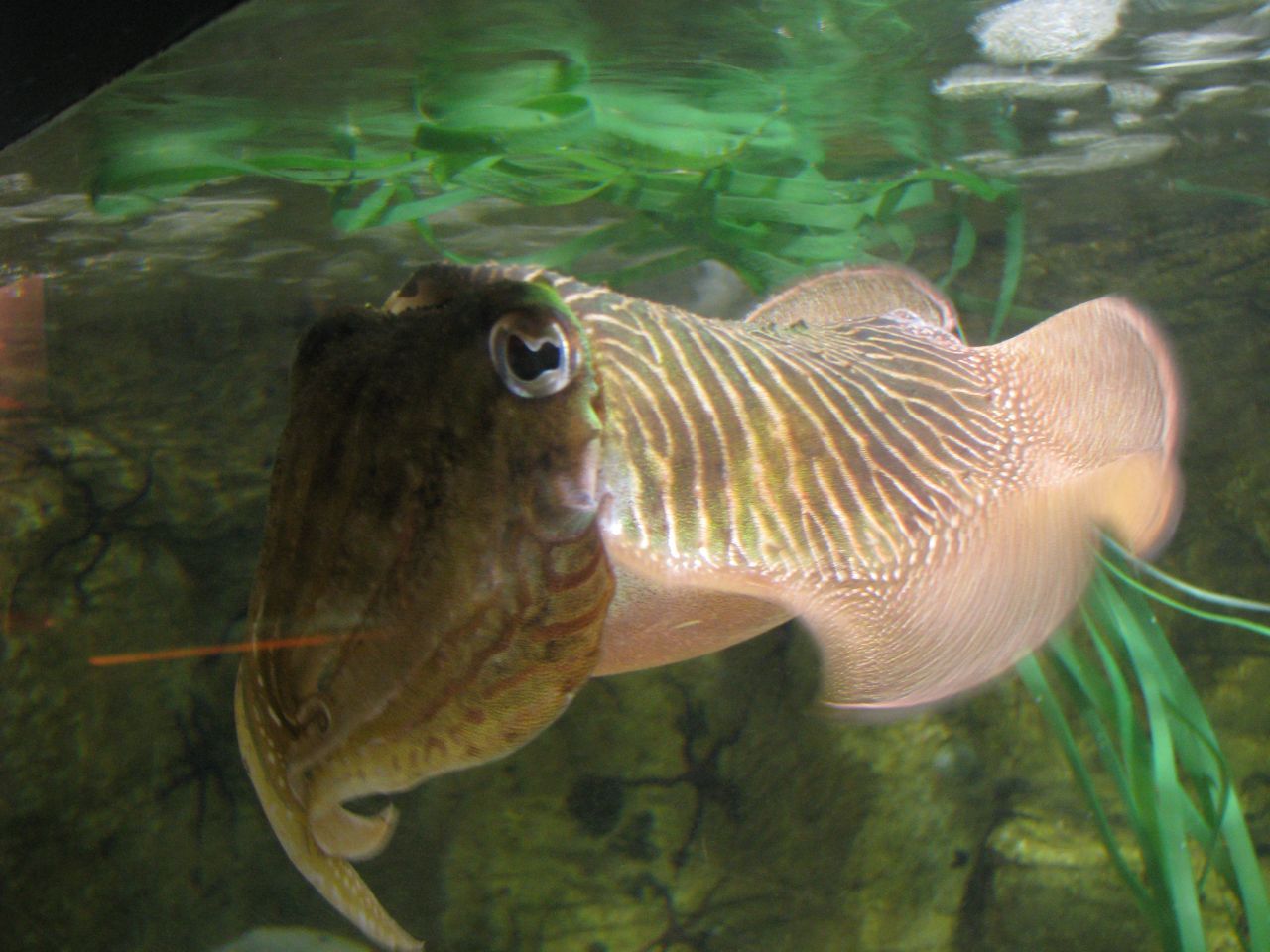
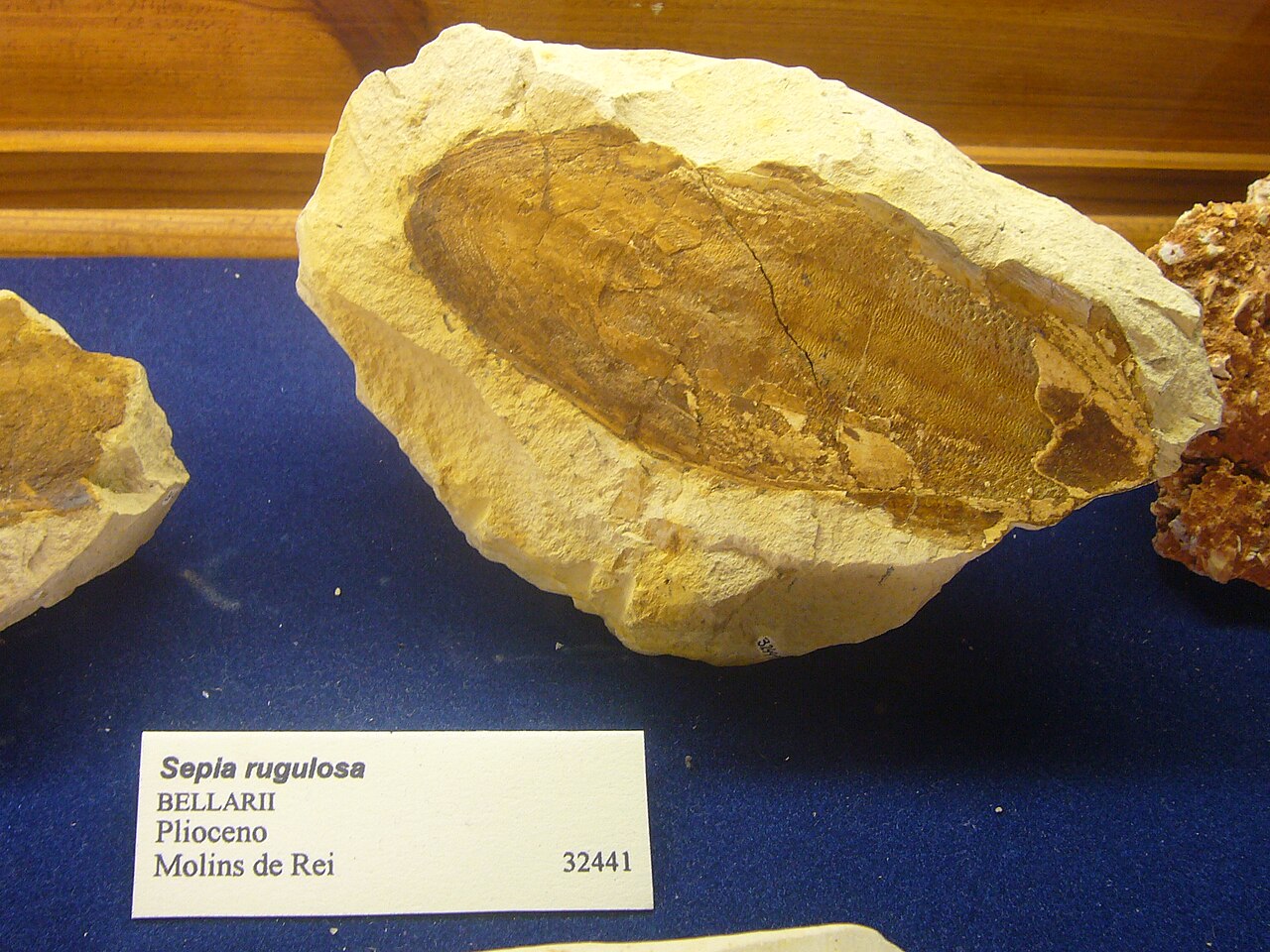
Cuttlebone is the lightweight, brittle internal support found within cuttlefish. Visually it looks like a flat, white, chalky plate and is largely composed of carbonate minerals, principally calcium carbonate. Although commonly called a "bone," it is not bone tissue but a calcified, chambered structure that helps the animal regulate its position in the water. For a basic reference, see cuttlebone.
Image gallery
10 Images




Structure and function
The cuttlebone has a porous, layered architecture made of many tiny chambers separated by thin walls. By adjusting the relative amounts of gas and liquid inside these chambers the cuttlefish changes its overall density and so its buoyancy. This ability to take in or expel fluid allows precise control over floating or sinking without constant swimming, an adaptation important for hunting and conserving energy.
Historical and craft uses
Humans have used powdered and carved cuttlebone for centuries. Finely ground material served as a mild abrasive and polishing medium and appeared in some traditional tooth powders and cleaners; it has been referenced in older formulations of toothpaste. Craftspeople also value cuttlebone as a soft, easily carved block for making low-temperature metal molds and small impressions because it takes detail well and is cheap and widely available.
Common modern applications
- Pet care: Dried cuttlebones are commonly provided in cages to help caged birds file their beaks and obtain supplemental minerals.
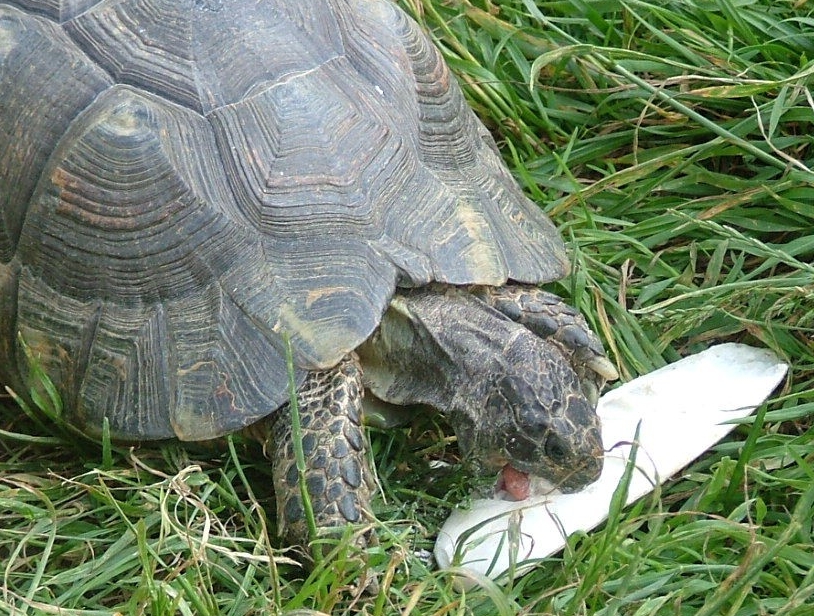
- Reptiles and aquaria: Pieces are sometimes offered to turtles and other small pets as a calcium source and chewable enrichment.
- Dietary mineral: Because it contains readily accessible calcium, it is a practical, low-cost supplement in several husbandry contexts.
Cuttlebone is sold commercially in whole bars or ground form. Owners use it to maintain beak shape in parrots and related species and to support healthy shell and bone growth in growing animals when used sensibly alongside formulated diets. Care should be taken to buy clean, untreated pieces from reputable suppliers.
Notable distinctions: the cuttlebone differs from external mollusc shells—being internal and chambered—and is made of a crystalline form of calcium carbonate (commonly aragonite) bound with an organic matrix. Its combination of lightness, porosity and easy workability makes it unique among marine biomineral structures and useful beyond its biological role, in both pet care and small-scale crafts.
Related articles
Author
AlegsaOnline.com Cuttlebone: structure, function and human uses Leandro Alegsa
URL: https://en.alegsaonline.com/art/24808