
Cytogenetics: study of chromosomes, karyotypes, and cell division
Cytogenetics is the field that analyzes chromosome structure and behavior in cells, combining microscopy and molecular methods to diagnose genetic disorders, study cancer, and explore evolution.
Overview
Cytogenetics is the branch of genetics concerned with the cellular basis of heredity and the way that chromosomes and their organization influence phenotype. It draws on cytology, the study of the cell, to examine structure and function at the level of whole chromosomes as well as chromosomal regions. Core objects of study include chromosomes, visible chromosome bands, karyotypes, and the mechanisms of cell division such as meiosis. The discipline also contributes to understanding species relationships and evolution.
Image gallery
5 Images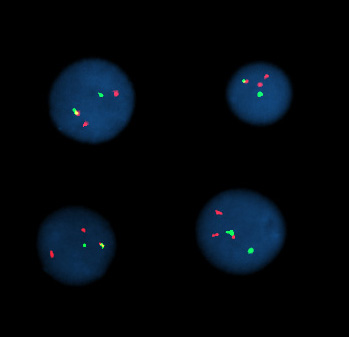


Key characteristics and components
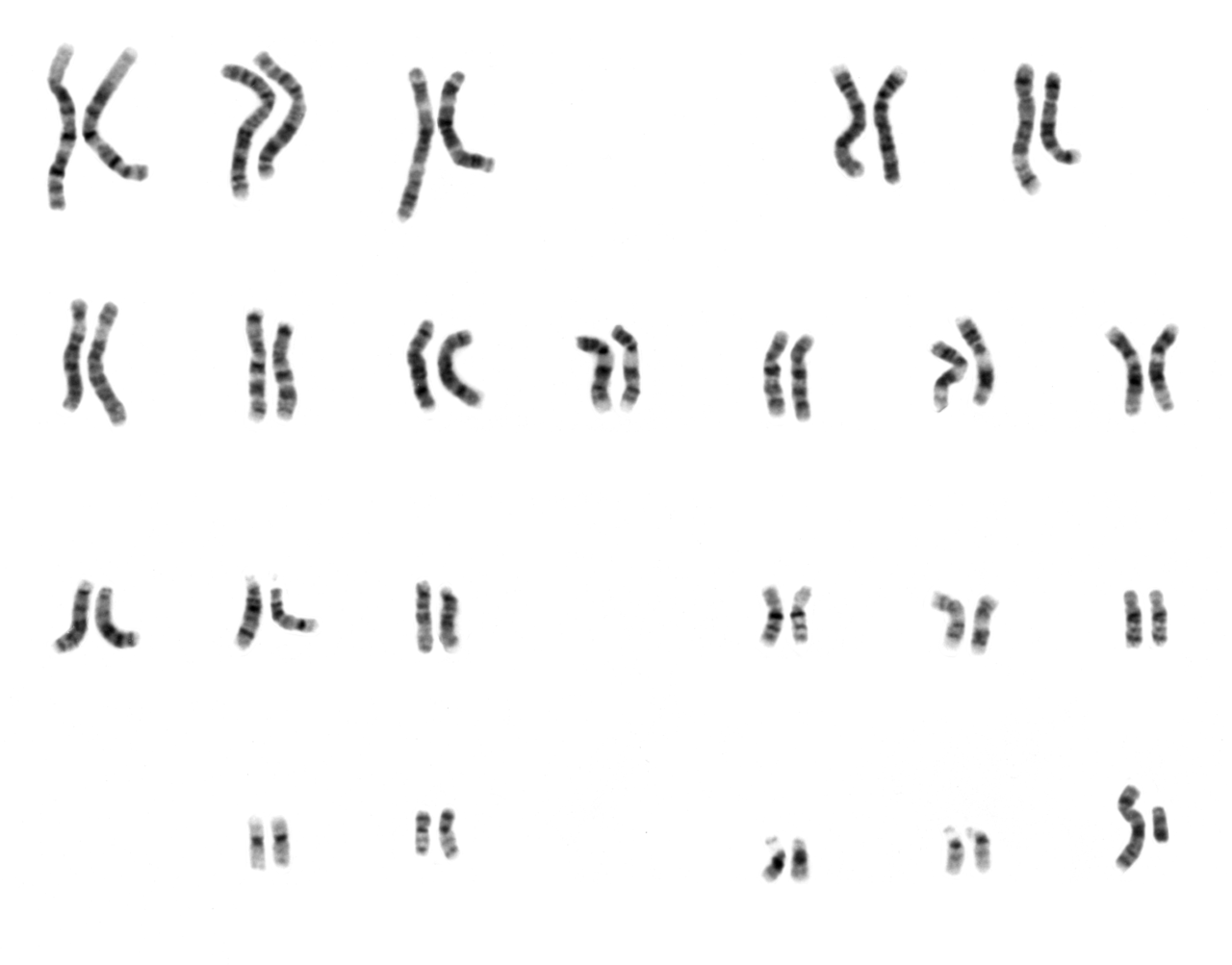
Cytogenetic analysis typically focuses on chromosome number, overall morphology, and banding patterns that reveal duplications, deletions, inversions, translocations and other rearrangements. Techniques can distinguish large-scale changes visible under the microscope from submicroscopic copy-number changes detected by molecular methods. Results are often summarized in a karyotype, a standardized representation of an individual’s chromosome set used in diagnostics and research.
Common methods
- Conventional karyotyping and banding to visualize chromosomes and detect large rearrangements.
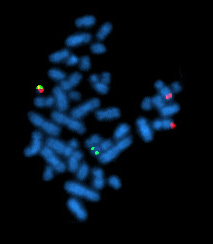
- Fluorescence in situ hybridization (FISH) to target specific DNA sequences on chromosomes.
- Comparative genomic hybridization (CGH) and array CGH for genome-wide copy-number analysis.
- Molecular and sequencing approaches that complement cytogenetics by increasing resolution and revealing breakpoint details.
History and development
The field emerged from improvements in light microscopy and staining in the early 20th century and advanced as staining techniques produced reproducible banding patterns. In the later 20th century molecular probes and fluorescent labeling transformed cytogenetics into a hybrid discipline that integrates classic chromosome analysis with molecular biology, increasing diagnostic precision.
Applications and importance
Cytogenetics is central to clinical genetics and oncology: it is used in prenatal diagnosis, investigation of infertility, characterizing leukemias and solid tumors, and guiding targeted therapies. In biology, cytogenetic comparisons help explain chromosomal changes involved in speciation and population diversity. In conservation, chromosome studies can clarify relationships among closely related taxa.
Distinctions and limitations
Although cytogenetics overlaps with molecular genetics, its distinctive focus is chromosome-level organization and behavior. Its traditional microscopy-based methods are limited in resolution compared with sequencing, but remain essential for detecting structural rearrangements and for interpreting complex chromosomal contexts. Ongoing integration with genomic technologies continues to expand the field's diagnostic and research capabilities.
For introductory resources and further reading, see overview texts and laboratory manuals in genetics and cytology, or consult specialized clinical guidelines referenced in cytogenetic practice.
Related articles
Author
AlegsaOnline.com Cytogenetics: study of chromosomes, karyotypes, and cell division Leandro Alegsa
URL: https://en.alegsaonline.com/art/24955