
Curtin Springs: large cattle station, homestead and roadhouse in the Northern Territory
Curtin Springs is a vast working cattle station on the Lasseter Highway in Australia's Northern Territory, known for its homestead, roadhouse, tourism services and resilience after major 2012 bushfires.
Curtin Springs is a large, working cattle station located in the southern part of the Northern Territory of Australia. The property stretches for hundreds of thousands of hectares—about 416,400 hectares (1,028,947 acres)—and includes a mix of grazing country, scrubland and pastoral infrastructure. It sits along the Lasseter Highway, roughly 85 kilometres east of Yulara, the service town used by visitors to nearby natural attractions.
Image gallery
5 Images


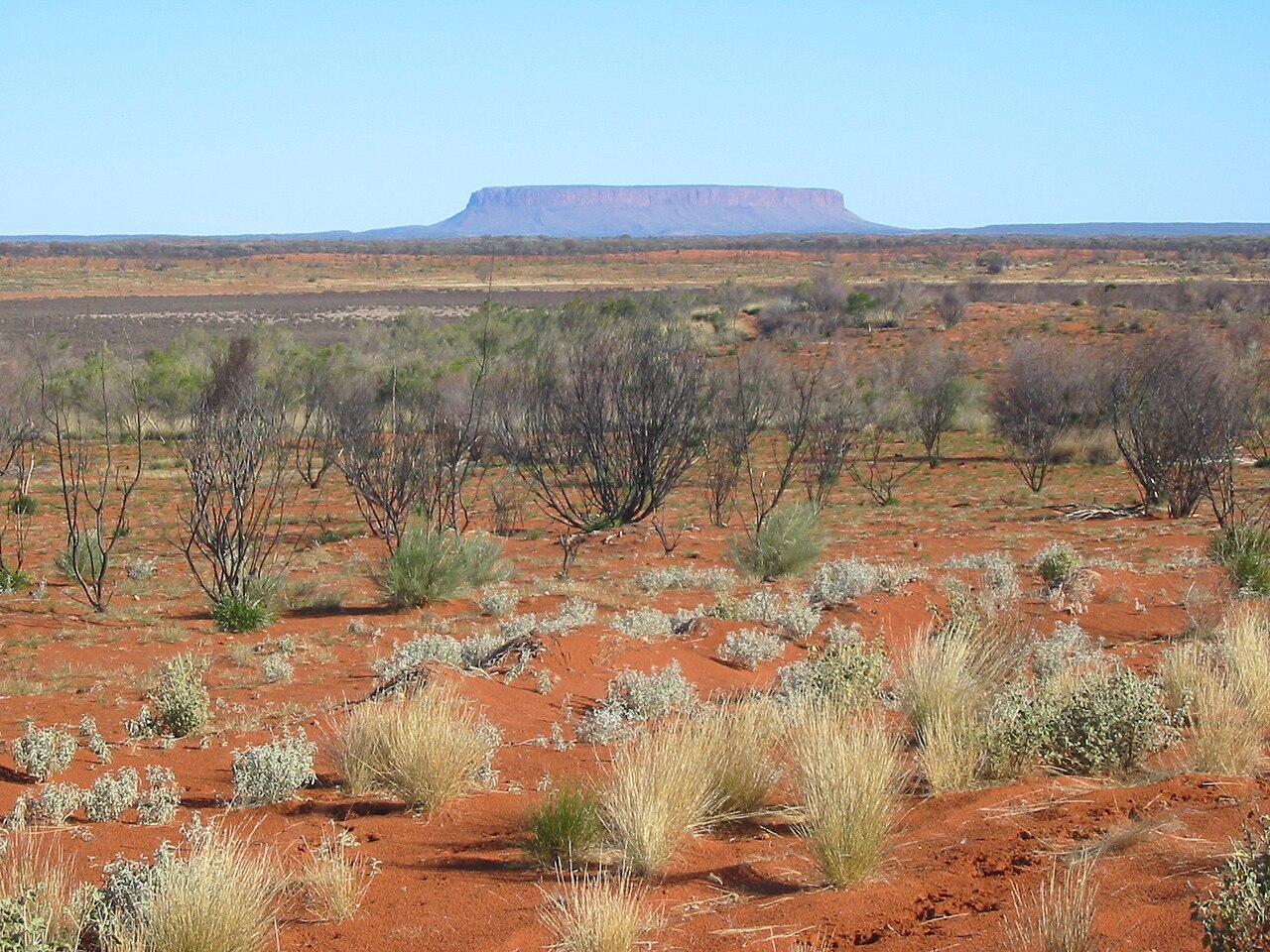
Location and landscape
Curtin Springs occupies arid to semi-arid country in the central Australian outback. Mount Conner, a prominent flat-topped hill often mistaken for Uluru by travellers, lies within the southern boundary of the property. The station’s landscape is typical of the region: low shrubs, spinifex and patches of more open grass used for cattle grazing. The area is culturally and ecologically significant, lying in a landscape shaped by Indigenous land use and modern pastoral activity.
History and operations
The homestead was established in the mid-20th century and for many decades has been owned and run by the Severin family. As a working pastoral enterprise the property focuses on beef production but also adapts to the economic realities of remote Australia, balancing livestock management with visitor services and local employment.
Facilities and visitor services
In addition to pastoral infrastructure, Curtin Springs hosts a roadhouse, an inn and a campground that cater to tourists and travellers crossing the region. Visitors to the property can fuel up, eat, stay overnight and learn about station life. The site’s accommodation and services are signposted from the highway to support travellers heading to national parks and remote attractions.
The station has also confronted major environmental challenges. In the spring of 2012 intense bushfires burned a large portion of its grazing country—destroying over 250,000 acres of bush and forcing recovery efforts across nearly a quarter of its pasture. Such events highlight the vulnerability of remote pastoral enterprises to fire and drought in central Australia.
Today Curtin Springs continues to operate as a mixed-purpose property combining traditional cattle production with hospitality and way-station services for travellers. It is one of several large pastoral properties that form the working and cultural fabric of this part of the outback, offering insight into both contemporary pastoralism and the broad, often harsh environment of the Australian interior.
For further practical details about visiting, operations and current conditions consult local travel services and station information pages: station updates and local information.
Related articles
Author
AlegsaOnline.com Curtin Springs: large cattle station, homestead and roadhouse in the Northern Territory Leandro Alegsa
URL: https://en.alegsaonline.com/art/24747
Sources
- abc.net.au : "Curtin Springs battles on"