
Cusco Region
Cusco Region: a Peruvian Andean area centered on the historic city of Cusco, seat of the Inca Empire and gateway to Machu Picchu, with highland landscapes, rich archaeology, and a vibrant cultural heritage.
Cusco Region is an administrative and geographical area in Peru known for its high Andean landscapes, indigenous cultures, and archaeological wealth. The region's political capital is the city of Cusco, historically the center of the Inca state and today a regional hub for education, government and tourism. Visitors often arrive to explore mountain scenery, traditional communities and pre-Columbian sites.

Image gallery
6 Images

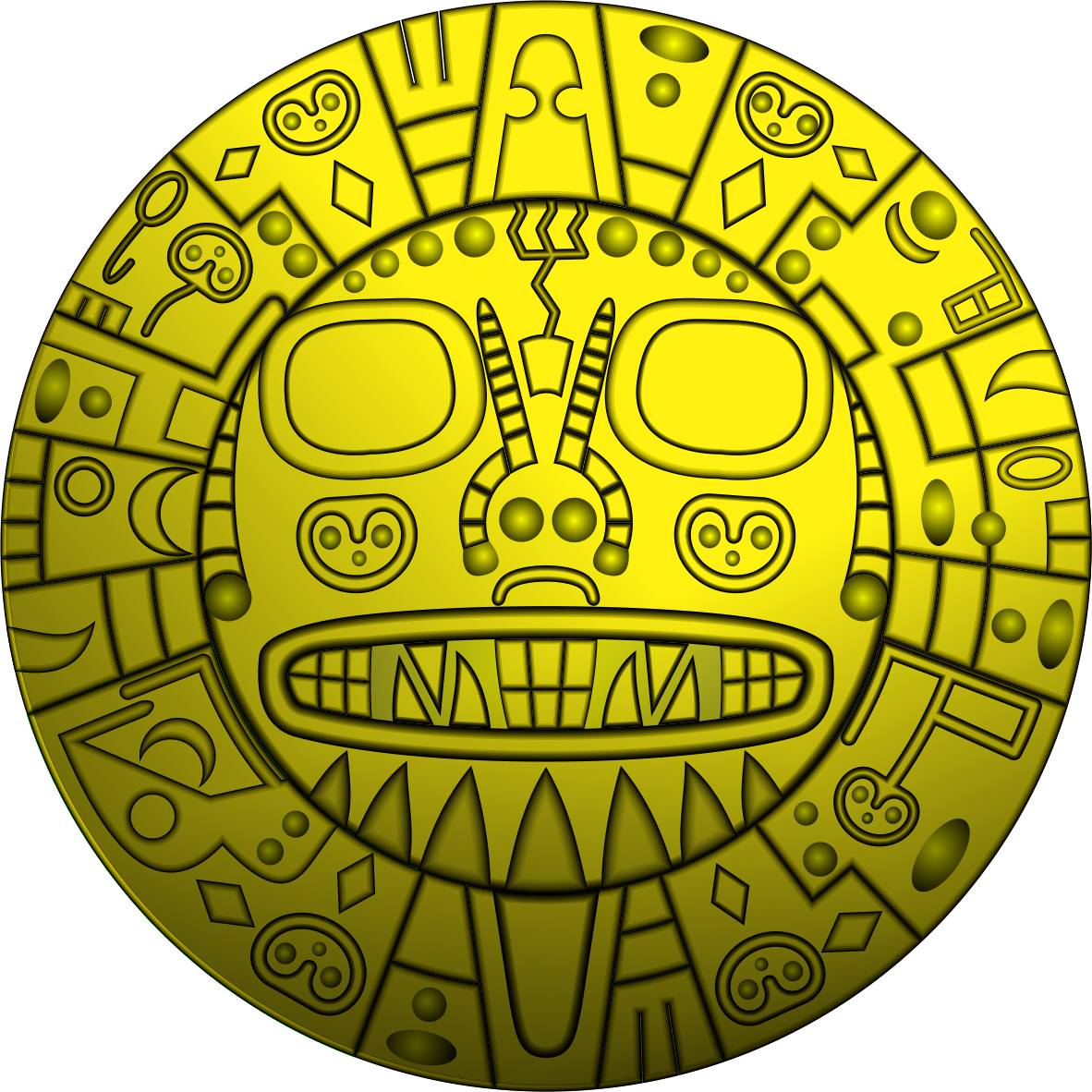


Geography and environment
Cusco occupies a range of elevations from high alpine zones to cloud forests. The Andes dominate the region, including glaciated peaks and river valleys carved by the Vilcanota (Urubamba) river system. This variety creates distinct ecological zones—puna grasslands, montane forests and yungas—that support agriculture, grazing and biodiversity.
History and archaeological importance
The city of Cusco served as the administrative and spiritual heart of the Inca Empire. After Spanish conquest, colonial urban fabric grew atop Andean foundations, producing a layered archaeological record. The region contains numerous ruins and trails, the most famous being Machu Picchu, a UNESCO World Heritage site and icon of pre-Columbian achievement in South America.
Economy and tourism
Tourism is a primary economic driver, centered on archaeological tourism, trekking and cultural festivals. Agriculture—potatoes, maize and quinoa—along with livestock, mining and artisan crafts sustain many rural communities. The city of Cusco functions as the principal service and transport center for the region.
Culture and society
Quechua and Spanish coexist as main languages; traditional music, weaving and ritual calendars remain vital. Local festivals blend Catholic and indigenous elements, drawing both residents and visitors. Education and cultural preservation projects seek to maintain Andean knowledge and languages.
Administration and notable features
The region is divided into provinces and districts that manage local affairs. Typical points of interest include archaeological sites, colonial architecture, markets, trekking routes and natural reserves. For an introduction to the region and practical visitor information, see regional resources such as Cusco Region information and municipal or travel guides. Additional cultural and tourism details are available through regional links and resources.

- Major attractions: Machu Picchu, Sacsayhuamán, the Sacred Valley
- Language: Quechua and Spanish
- Transport hub: Cusco (city)
Related articles
Author
AlegsaOnline.com Cusco Region Leandro Alegsa
URL: https://en.alegsaonline.com/art/24764