
Station (agricultural property)
A station is a large agricultural property in Australia and New Zealand used primarily for raising livestock, with distinct infrastructure, practices and regional roles in pastoral economies.
Overview
A station is a large, privately held agricultural property used chiefly for raising livestock. The word is most commonly used in Australian English and New Zealand English to describe holdings that are substantially larger than typical family farms. Stations are often named and managed as single units and may be dedicated to sheep, cattle, or mixed grazing.
Image gallery
7 Images




Characteristics and infrastructure
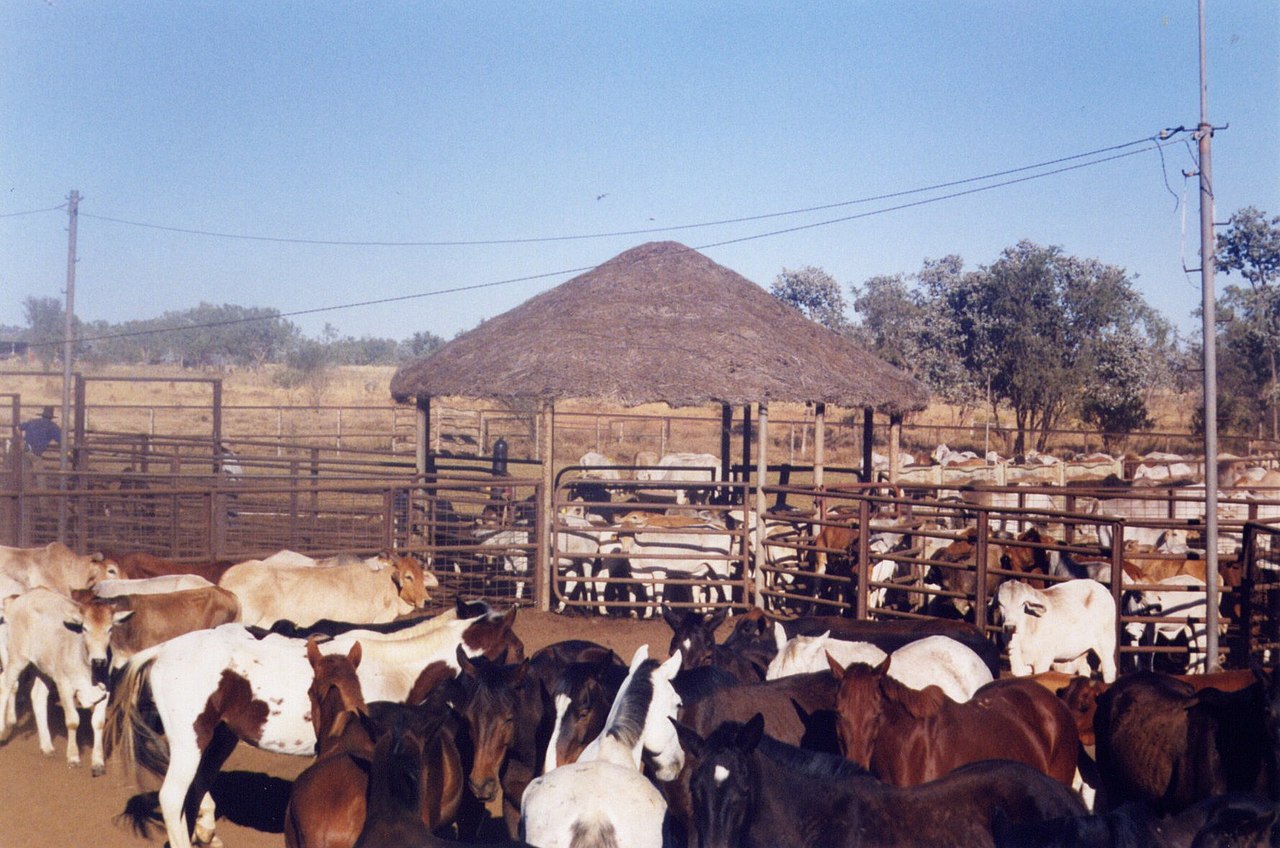
Stations are marked by infrastructure adapted to extensive grazing and remote conditions. Typical elements include a homestead where the owner or manager lives, workers' quarters, sheds and yards for handling stock, fences and paddocks to manage grazing rotation, and water supply systems such as dams, tanks or bores. In very remote stations, airstrips and communication equipment are common to maintain links with towns and markets.
- Homestead: central residence and administrative hub.
- Stock handling facilities: yards, loading ramps and shearing sheds on sheep stations.
- Water and feed: bores, troughs and feed stores to support stock through dry periods.
Terminology and labour
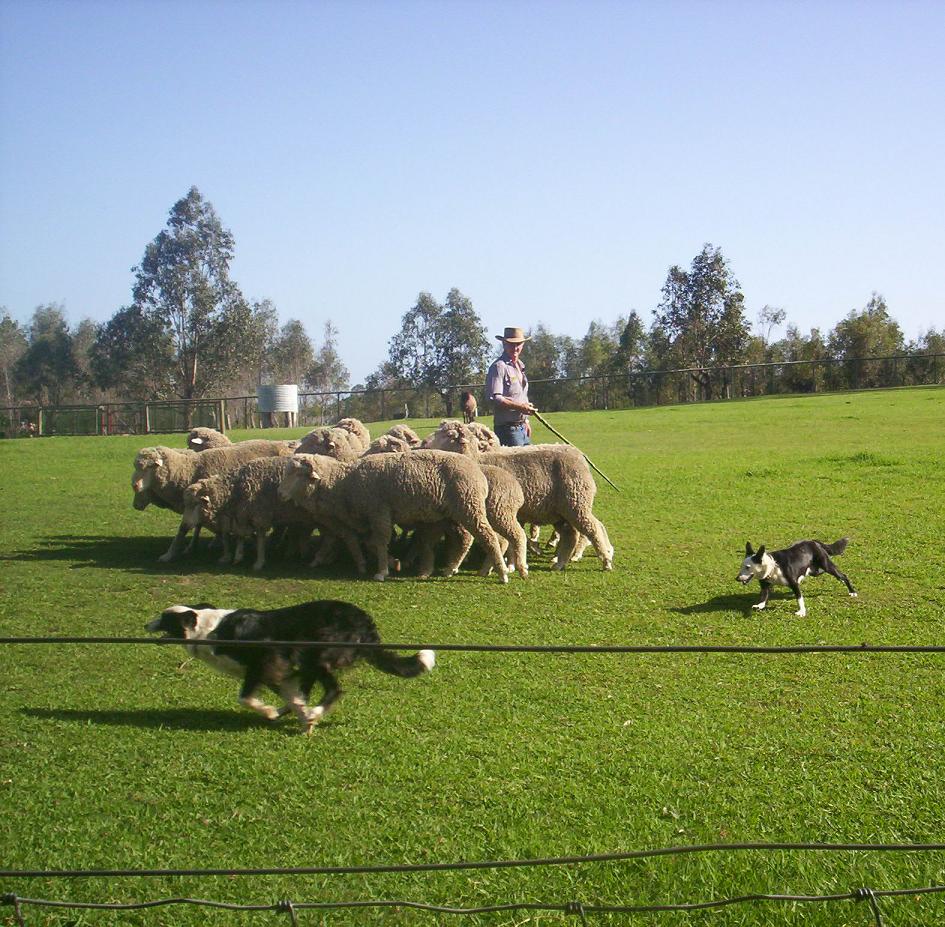
Owners are frequently called graziers or pastoralists. Workers who care for the animals and carry out mustering, fencing and general maintenance have traditional titles; for example, cattle and sheep handlers are often referred to as stockmen. On very large stations a range of specialists may be employed, from mechanical technicians to pilots or helicopter crew used for mustering.
History and regional role
The station system grew with colonial expansion and the development of pastoral economies in Australia and New Zealand. Settled in areas suited to extensive grazing rather than intensive cropping, stations played a major role in producing wool, meat and hides for domestic use and export. Over time they influenced settlement patterns, transport routes and regional towns that supplied or serviced them.
Operations and contemporary practices
Day-to-day life on a station combines stock management with land stewardship. Activities include mustering, animal health and breeding programs, pasture management and seasonal planning to avoid overgrazing. Modern stations increasingly use technologies such as GPS tracking, remote water monitoring and aerial mustering to improve efficiency and respond to variable climates.
Distinctions and notable facts
Stations differ from conventional farms mainly in scale and emphasis on grazing. They are classified by dominant stock: sheep stations focus on wool and sheep meat production, while cattle stations raise beef cattle. Many stations occupy landscapes with unique ecological values and intersect with Indigenous lands and histories; contemporary management often involves balancing production with conservation and cultural considerations.
Related articles
Author
AlegsaOnline.com Station (agricultural property) Leandro Alegsa
URL: https://en.alegsaonline.com/art/93549