
Cupboard (cabinet): design, history, parts and common uses
A cupboard, or cabinet, is a storage furniture unit with shelves and doors used in homes and other spaces; this article covers its construction, history, typical locations, and common variations.
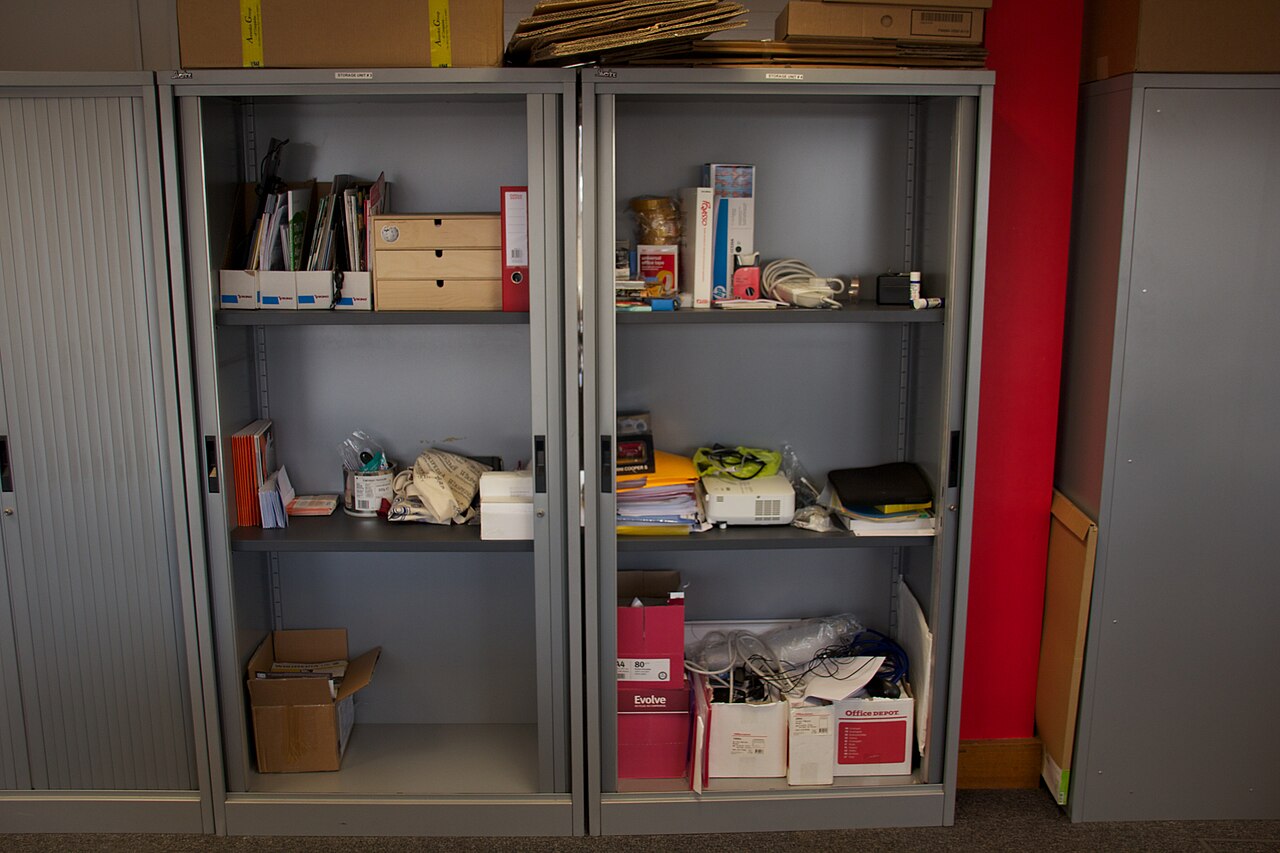
A cupboard, also commonly called a cabinet, is a piece of furniture designed primarily for storage. It typically consists of an enclosed space with one or more shelves and often a door or set of doors to protect contents from dust and view. Cupboards are a standard feature in a house and appear in many rooms, most notably the kitchen and bathroom, where they hold cookware, foodstuffs, toiletries, linens and cleaning supplies.
Image gallery
5 Images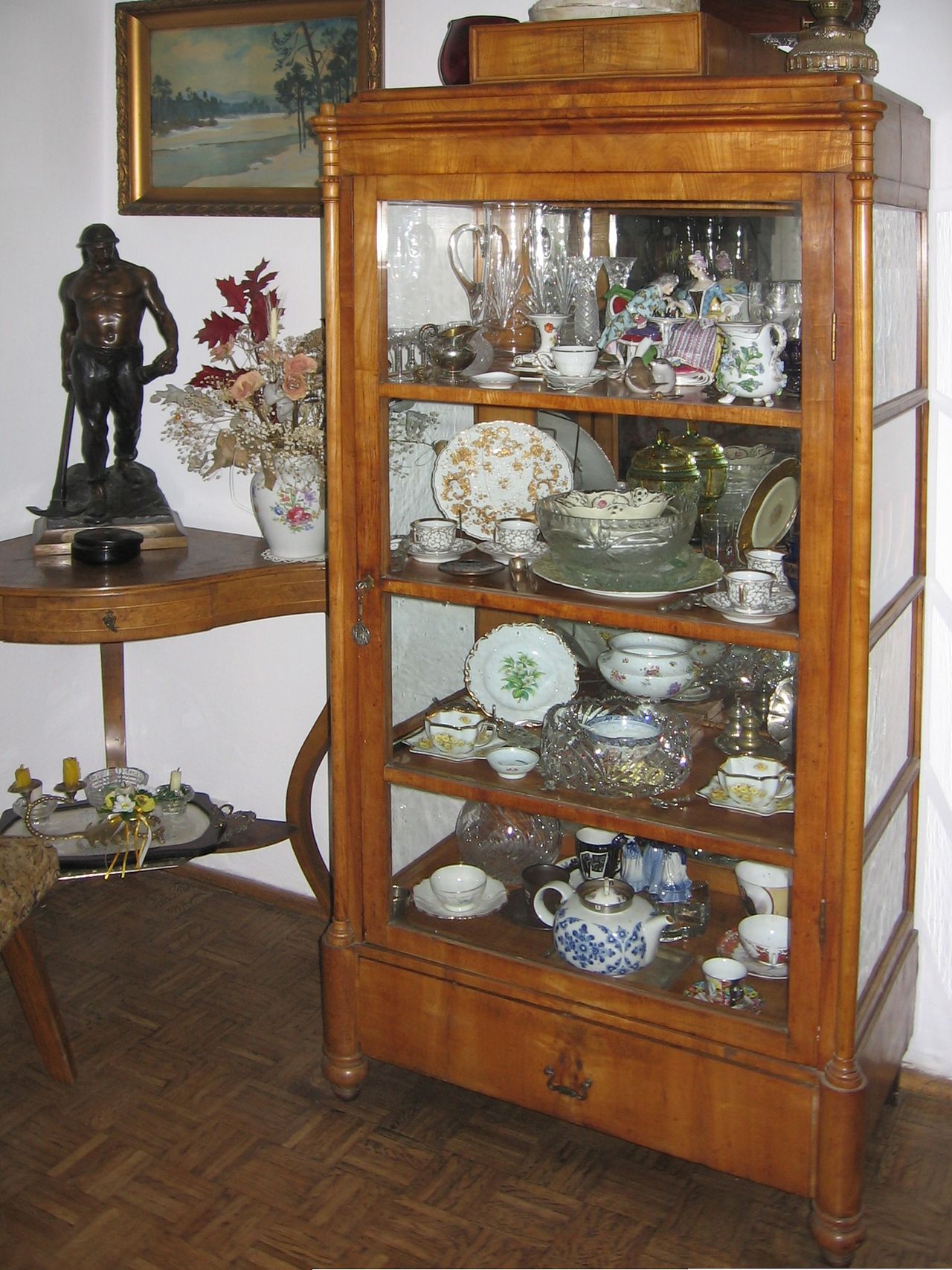



Characteristics and common parts
Most cupboards share basic elements: a carcass (the body), shelves, doors, and hardware. Doors may be hinged, sliding, or absent; many use a simple door to conceal the interior. Materials range from solid wood and plywood to metal and plastic, with finishes applied for protection and appearance. Internal fittings can include adjustable shelves, drawers, racks, and organizers to accommodate different items.
History and development
The cupboard evolved from early storage chests and open shelving. As households required more organized storage, enclosed cabinets with doors became common in medieval and post-medieval homes. Industrial production in the 19th and 20th centuries standardized sizes and introduced new materials, while modern design emphasizes modularity and built-in installation.
Uses, placement and examples
Cupboards serve both practical and aesthetic roles. In kitchens they store dishes, food and appliances; in bathrooms they protect toiletries and linen; in living areas they may display objects or hide electronics. Built-in cupboards maximize space in small homes, while freestanding units add furniture flexibility. Typical examples include the pantry cupboard, medicine cabinet, wall-mounted kitchen cabinets and utility storage cupboards.
Variations and notable distinctions
- Freestanding vs. built-in: portability versus integration.
- Open shelving vs. closed cupboards: accessibility versus protection.
- Materials and styles: from rustic solid wood to modern laminate and metal.
When choosing a cupboard consider size, load capacity, ventilation, and the intended contents. Properly chosen, a cupboard improves organization, protects items and contributes to the room's visual order.
For further reading and product examples, consult general furniture and home design resources: furniture guides, storage solutions, kitchen design, bathroom fixtures, residential planning and door hardware.
Related articles
Author
AlegsaOnline.com Cupboard (cabinet): design, history, parts and common uses Leandro Alegsa
URL: https://en.alegsaonline.com/art/24671