
Cuscatlán Department, El Salvador
Cuscatlán is the smallest of El Salvador’s departments, located in the central region with its capital at Cojutepeque. Known for its highland terrain, agricultural economy and historical origins dating to 1835.
Overview
Cuscatlán is a central department of El Salvador whose administrative seat is the city of Cojutepeque. As an administrative division (a department), it forms part of the national structure used to organize local government and public services. The department covers 756.19 square kilometres, making it the smallest department by area in the country.
Image gallery
2 Images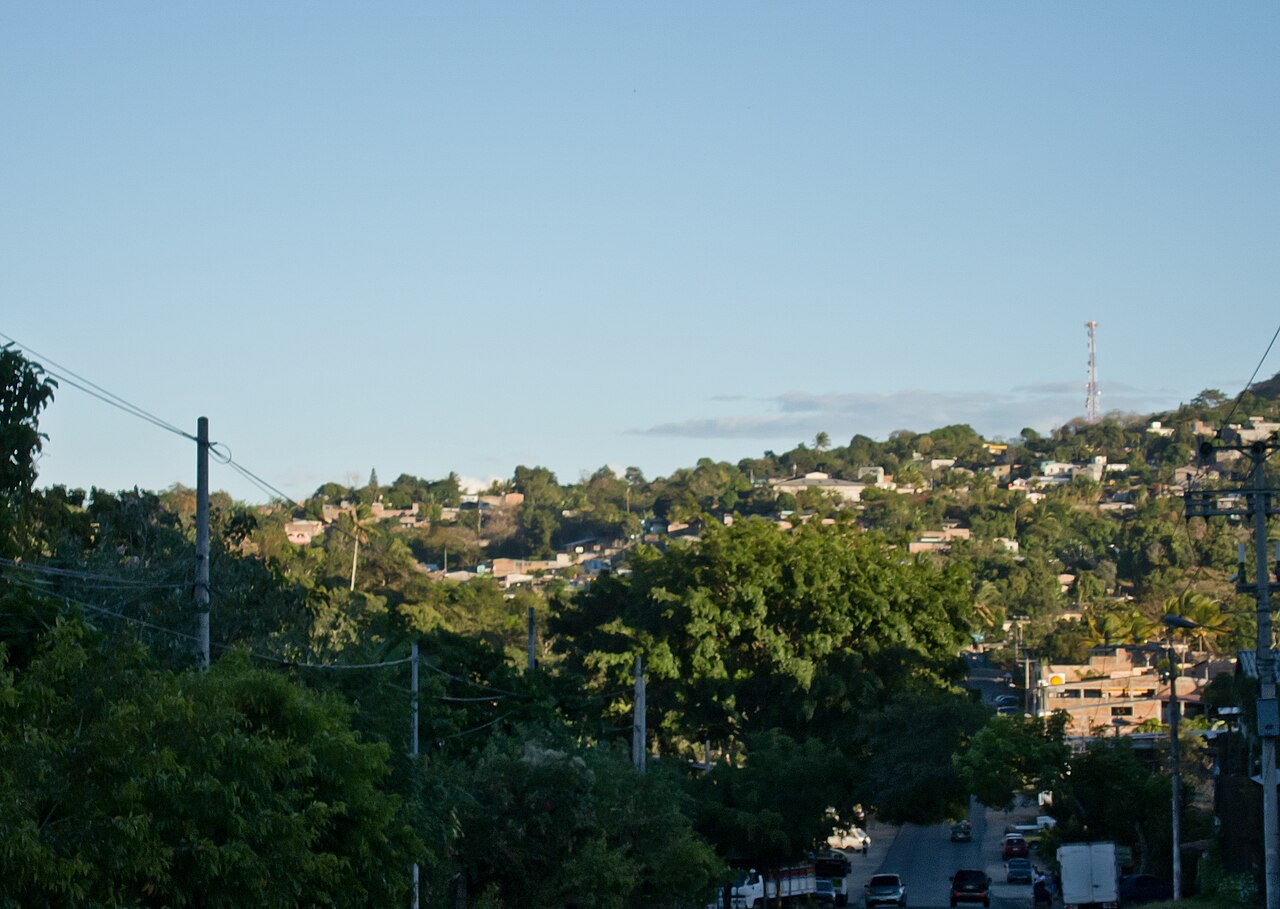

Geography and environment
The territory lies in the interior highlands of the country and features a mix of hills, valleys and agricultural terraces. Elevation gives the region a temperate climate relative to coastal lowlands, and its soils and slopes support a variety of crops and rural livelihoods. Rivers and small watersheds cross the landscape, feeding local irrigation and shaping settlement patterns.
History and development
Cuscatlán was formally established as a department on 22 May 1835 during the early republican period of Central America. Its name derives from the Nahuatl word often translated as "land of precious jewels," a historic reference to the indigenous peoples and cultures of the broader region before and during Spanish colonization. Over time Cuscatlán developed as a mostly rural province with towns that grew as market and administrative centers.
Economy, culture and uses
Local economic activity is largely based on agriculture, small-scale commerce and services centered in urban towns. Cultural life reflects a mixture of indigenous and Spanish colonial influences, with local festivals, religious observances and artisanal traditions playing an important role in community identity. Cojutepeque functions as the department’s commercial and governmental hub.
Administration and notable facts
The department operates within the national framework of El Salvador, administering public programs and municipal coordination from its capital. Its most distinctive feature is its small geographic area relative to other departments, while still retaining varied terrain and a concentrated local culture. For further general information about administrative divisions, history or travel in the area consult regional resources or official guides.
- Capital: Cojutepeque
- Country: El Salvador
- Area: 756.19 km²
- Established: 22 May 1835
Related articles
Author
AlegsaOnline.com Cuscatlán Department, El Salvador Leandro Alegsa
URL: https://en.alegsaonline.com/art/24762