
Cusco Province (Peru): Overview, geography, history and significance
Cusco Province contains the city of Cusco, the historic capital of the Inca Empire. A highland province in southern Peru known for its archaeological heritage, colonial architecture and role as a tourism hub.
Cusco Province is a compact administrative division in the southern Peruvian highlands whose capital is the city of Cusco. Although it is the smallest of the provinces in the wider Cusco Region, it contains Peru's most famous historic urban center — the former capital of the Inca Empire — and serves as the primary gateway for visitors exploring Andean archaeology and culture.
Image gallery
4 Images
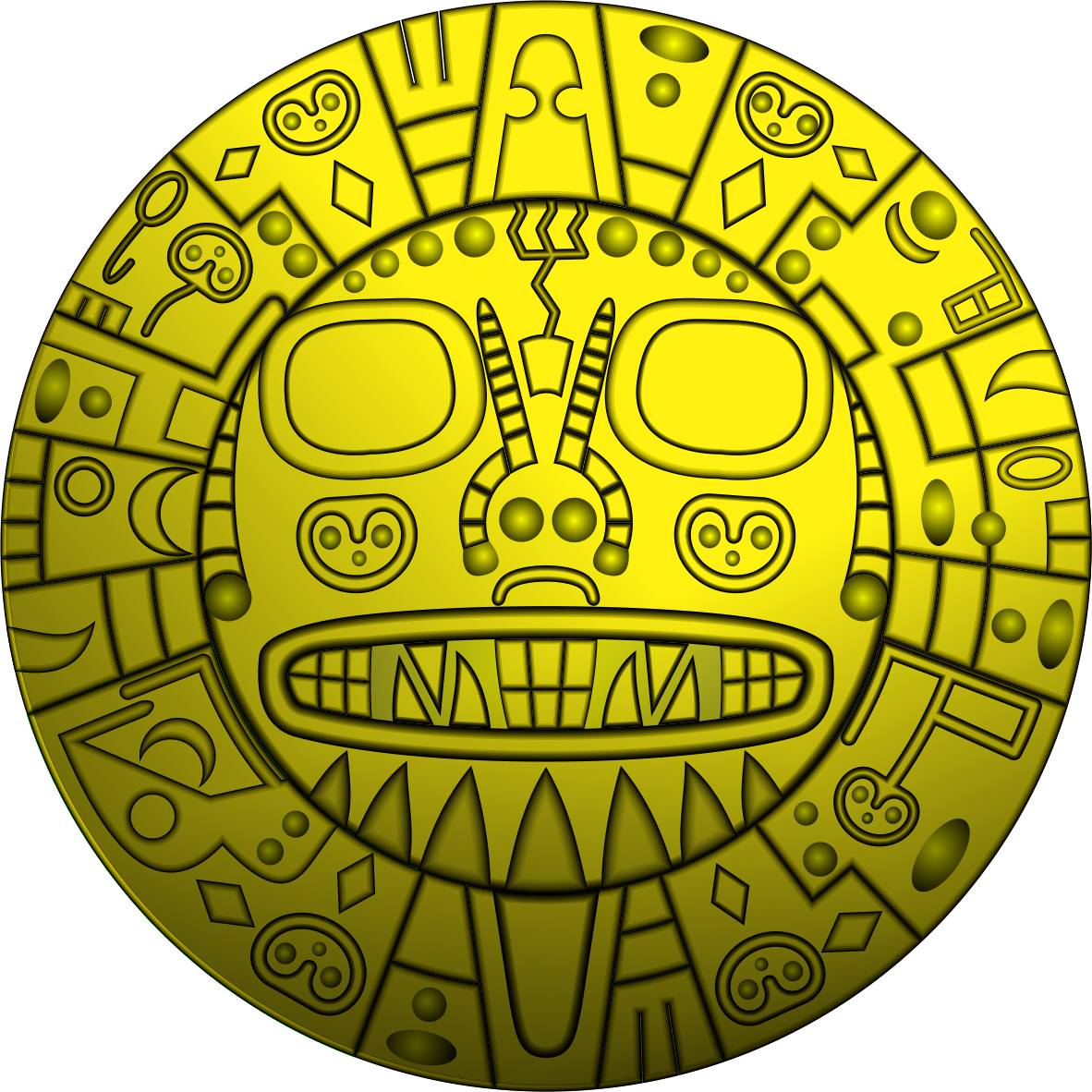


Geography and administration
The province occupies a section of the eastern Andean slopes and intermontane valleys, with the city of Cusco situated at roughly 3,400 meters above sea level. The territory includes the urban core and several adjacent districts that form the metropolitan area. It is administratively part of the larger Cusco Region and is listed among the region's provinces (province list).
History and cultural landscape
Cusco's historic center grew from the capital of the Inca state into a colonial city after the Spanish conquest. Today the urban fabric shows a layered heritage: pre-Columbian stone foundations and monumental sites stand alongside Spanish-era churches, plazas and mansions. The city's archaeological and architectural value led to its recognition as a protected historic area by international heritage bodies.
Economy, tourism and significance
The provincial economy is dominated by tourism, services, handicrafts and commerce. Cusco functions as the transport, cultural and administrative hub for travelers headed to the Sacred Valley, mountain treks and archaeological sites such as Sacsayhuamán. It also hosts major cultural events, most visibly the Inti Raymi festival, which attracts both domestic and international visitors.
- Climate: highland with distinct wet and dry seasons and cooler temperatures due to elevation.
- Population: a mix of indigenous Quechua-speaking communities and mestizo urban residents, with strong continuities of Andean traditions.
- Access: the province contains Cusco's main airport and transport links that connect to the rest of Peru and to regional tourist routes.
Cusco Province remains central to Peru's identity and economy because of its concentration of archaeological wealth, living cultural practices and role as a staging point for exploration of the Andes. Visitors and scholars alike approach the province both for its monumental past and for the vibrant urban culture that continues to evolve there.
Related articles
Author
AlegsaOnline.com Cusco Province (Peru): Overview, geography, history and significance Leandro Alegsa
URL: https://en.alegsaonline.com/art/24763