
Carlisle (Cumbria) — city at the English–Scottish border
An overview of Carlisle in Cumbria: geography, history, landmarks, economy and cultural highlights including rivers, Carlisle Castle, the cathedral, Carr's biscuits and Carlisle United.
Overview: Carlisle is a historic city in the far north of England. It lies close to the Anglo-Scottish border and serves as a regional centre for administration, culture and transport. The city is in the county of Cumbria and has a population of roughly 71,773 people according to commonly cited figures. Its location on trade and military routes has shaped its development for many centuries.
Image gallery
10 Images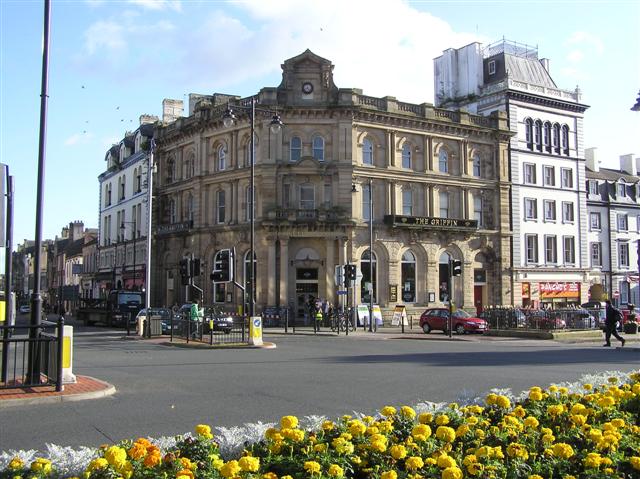


Geography and rivers
Carlisle sits at the meeting of several river valleys and on relatively flat ground that opens out from surrounding hills. The most important waterways are the River Eden, which flows through the city, plus the Caldew and the Petteril. These rivers have influenced local industry and the pattern of settlement, and they can contribute to flooding in low-lying areas following prolonged rain.
History and landmarks
The site has Roman origins and later became a medieval border stronghold. Key historic landmarks include Carlisle Castle, which overlooks the city centre and has played a military and administrative role for centuries, and Carlisle Cathedral, noted for its architecture and parish history. Hadrian's Wall lies to the south and is a significant Roman-era monument in the wider area.
Culture, economy and notable products
Carlisle has a mixed economy with public services, retail, light manufacturing and tourism. A well-known local food manufacturer is Carr's, producers of table water biscuits; the company is associated with the city and has a long history there (Carr's of Carlisle). The city also supports community arts, museums and events that reflect its borderland identity.
Sport and recreation
Football is an important part of local life: Carlisle United is the city's main professional club and plays at Brunton Park. The club attracts local support and contributes to civic identity and leisure activity in the area. Outdoor recreation is popular too, with walking and cycling opportunities in nearby hills and along river corridors.
Transport, administration and distinctions
Carlisle is a transport hub for northwestern England, with rail links toward major cities and road connections north into Scotland and south into the English interior. Administratively it functions as a local centre within Cumbria and has been shaped by its borderland history. For more information about local services and visitor attractions, see resources linked to the city centre and county authorities: City guide, Regional context, Border history, and additional references for visitors and residents local data, tourism, transport.
Tags
Related articles
Author
AlegsaOnline.com Carlisle (Cumbria) — city at the English–Scottish border Leandro Alegsa
URL: https://en.alegsaonline.com/art/17035