
Curicó Province
Curicó Province is a central Chilean province in the Maule Region; known for agriculture, vineyards and the city of Curicó, it combines fertile valleys, Mediterranean climate, and regional cultural traditions.
Overview
Curicó Province, known in Spanish as Provincia de Curicó, is a second-level administrative division in central Chile. It is one of four provinces that make up the Maule Region and occupies a mix of valley and foothill territory within the larger agricultural belt of the country. Its principal urban center and administrative seat is the capital city of Curicó, which functions as the province's economic and cultural hub.
Image gallery
7 Images



Geography and climate
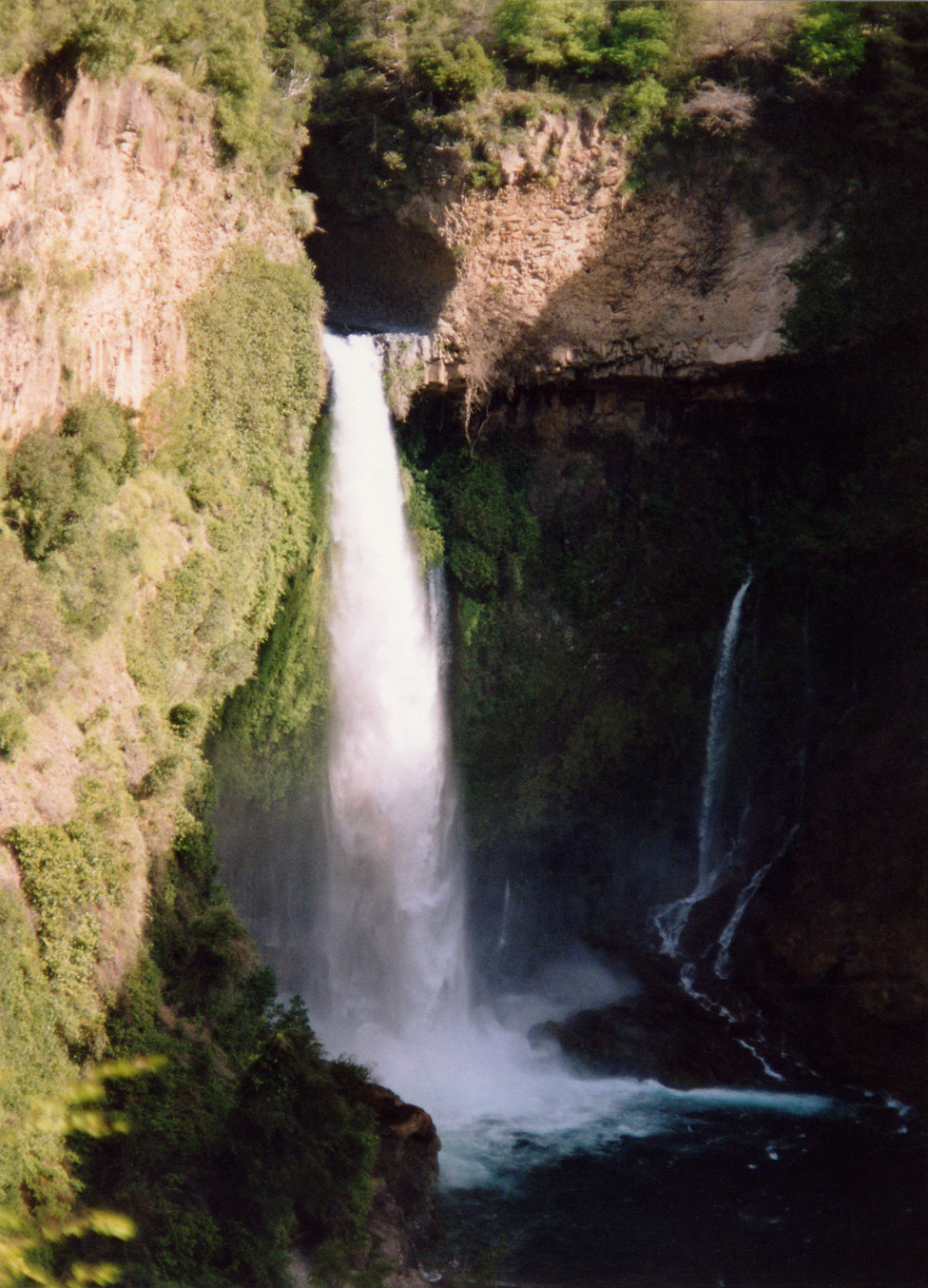
The province lies where fertile river valleys meet the Andean foothills and coastal influences, producing a predominantly Mediterranean climate: warm, dry summers and cool, wetter winters. This climate, together with accessible water for irrigation, supports a mosaic of vineyards, orchards and field crops. The landscape ranges from flat agricultural plain to rolling hills and lower mountain slopes, creating scenic contrasts and varied land use.
Economy and land use
Agriculture is the dominant economic activity, with extensive vineyards that are part of Chile's notable wine-producing regions. Fruit production, vegetable farming and cattle ranching also contribute to the provincial economy. Rural communities combine traditional farming with more modern agribusiness, and there is a growing focus on value-added products and agritourism.
Administration and subdivisions
As a Chilean province, Curicó is a subnational unit overseen by provincial authorities and subdivided into municipalities (communes), each administered by its own municipal government. The provincial capital hosts regional services and acts as the primary center for commerce, education and health care for surrounding rural areas.
History, culture and tourism
The area has a history tied to colonial settlement, agricultural development and the rise of viticulture. Local culture blends rural traditions, seasonal agricultural festivals and urban civic life in Curicó. Visitors are attracted by winery tours, local markets, regional cuisine and access to countryside recreation; these activities support a modest tourism sector linked to the province's natural and cultural assets.
Notable facts
- Curicó is an important node in the Maule Region's agricultural economy and a recognized area for wine production.
- The provincial capital serves as the main service center for education, health and transport in the area.
- Its location between coastal influences and the Andes creates diverse microclimates favorable to a range of crops.
For further administrative or geographic context, consult regional resources about the Maule area and provincial listings that detail local communes and services.
Questions and answers
Q: How many provinces are there in the central Chilean region of Maule?
A: There are four provinces in the central Chilean region of Maule.
Q: What is the name of the largest city in Curicó Province?
A: The largest city in Curicó Province is Curicó.
Q: What is the capital city of Curicó Province?
A: The capital city of Curicó Province is also Curicó.
Q: What is the official language spoken in Curicó Province?
A: The official language spoken in Curicó Province is Spanish.
Q: What region is Curicó Province located in?
A: Curicó Province is located in the central Chilean region of Maule (VII).
Q: What is the population of Curicó Province?
A: The population of Curicó Province is not provided in the given text.
Q: What are some other notable cities or towns located in Curicó Province?
A: The given text does not provide information about other notable cities or towns located in Curicó Province.
Related articles
Author
AlegsaOnline.com Curicó Province Leandro Alegsa
URL: https://en.alegsaonline.com/art/24695
Sources
- gobernaciontalca.gov.cl : "Conozca a la Gobernadora"
- inemaule.cl : "Región de Maule"