
Zucchini (courgette) — edible summer squash
Zucchini, called courgette in British English, is a tender summer squash grown for its immature fruit. This article covers description, varieties, cultivation, culinary uses, storage, nutrition, pests and safety notes.
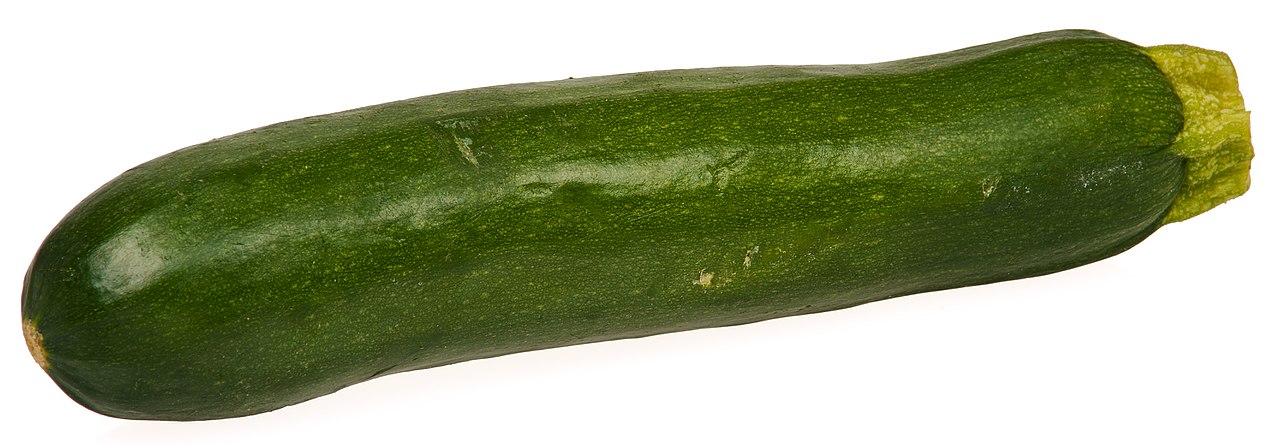
Zucchini (called courgette in British English) is a type of summer squash grown for its immature fruit, harvested while the skin is still tender. Botanically part of the gourd family, zucchini are prized for a mild flavor and versatile texture that make them suitable for many cuisines. Fruits are most commonly elongated and green, but shapes and colors vary widely. The skin and small seeds are usually edible when picked young.
Image gallery
10 Images


Description and varieties
Zucchini appear in several forms, including dark-green, light-green, striped, and yellow varieties. Some cultivars produce round fruits that are used for stuffing. Gardeners also select varieties for compact growth, continuous production, or disease resistance. The plant produces large leaves and often yellow flowers that are also edible when cooked.
History and cultivation
Like other squashes, zucchini trace their origins to the Americas and were developed further in Europe, particularly Italy, where the modern garden forms and many cultivar names arose. They grow best in warm seasons with full sun, fertile, well-drained soil and regular watering. Seeds are sown directly or started indoors; regular harvesting of young fruit encourages continued production. For botanical context and relationships to other members of the group see related squash species.
Culinary uses
The mild taste and high moisture content make zucchini suitable for both savory and sweet dishes. Common preparations include sautéing, grilling, roasting, steaming, baking into quick breads and muffins, adding to soups and stews, or using raw in salads and as spiralized "noodles." Flowers can be battered and fried or incorporated into fillings.
Selection, storage and preparation
- Choose firm, glossy fruits without soft spots or significant blemishes; smaller specimens often have finer texture.
- Store unwashed in a cool place or loosely wrapped in the refrigerator and use within a few days to retain firmness and flavor.
- For most recipes the thin skin is left on; very large fruits can be peeled and the seed cavity removed if seeds are tough.
Nutrition and safety
Zucchini are low in calories and contribute dietary fiber, water and modest amounts of vitamins and minerals. While generally safe to eat, rare instances of strong bitterness can occur in cucurbits due to naturally occurring compounds; bitter fruit should be discarded. Home growers and cooks handle and prepare zucchini as they would other vegetables, washing them before use.
Pests, pollination and garden notes
Zucchini plants can attract common pests such as squash bugs and vine borers and may be affected by fungal or viral diseases; crop rotation, adequate spacing and monitoring help reduce problems. Many varieties require pollination by bees; inadequate pollination can lead to misshapen or aborted fruit. Gardeners often harvest frequently to encourage ongoing production and to keep fruit tender.
Related articles
Author
AlegsaOnline.com Zucchini (courgette) — edible summer squash Leandro Alegsa
URL: https://en.alegsaonline.com/art/110743