
Cubicle: workspace stall and private changing enclosure
A cubicle is a small enclosed space used for work or private activities. Common forms include office workstations and changing stalls at pools or gyms, each with distinct design and uses.
A cubicle is a compact, usually partially enclosed space designed to provide a degree of privacy and dedicated function within a larger area. The term commonly refers to two broad categories: modular workstations used in offices and small private stalls used for changing clothes in leisure or sports facilities. Both types prioritize separation from surrounding activity, but they differ in form, fixtures and social role.
Image gallery
8 Images





Characteristics and typical features
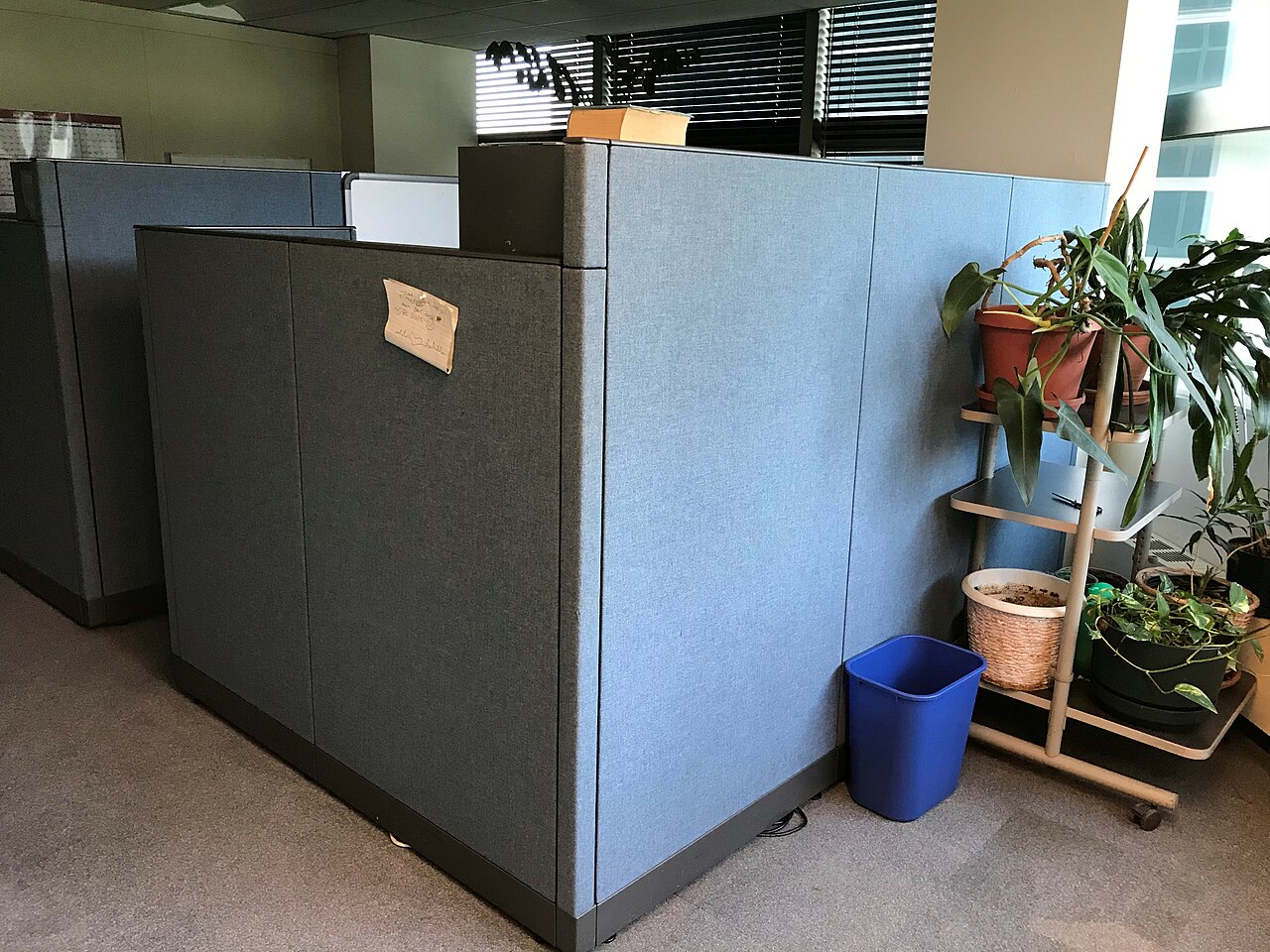
Office cubicles are typically made from panels that support a desk, storage and wiring for computers and phones. They vary in height from low partitions that encourage interaction to high-walled booths that increase visual and acoustic privacy. Changing cubicles, often called stalls, usually include a bench or hook, a curtain or door, and are constructed from water-resistant materials when installed near pools or showers.
History and development
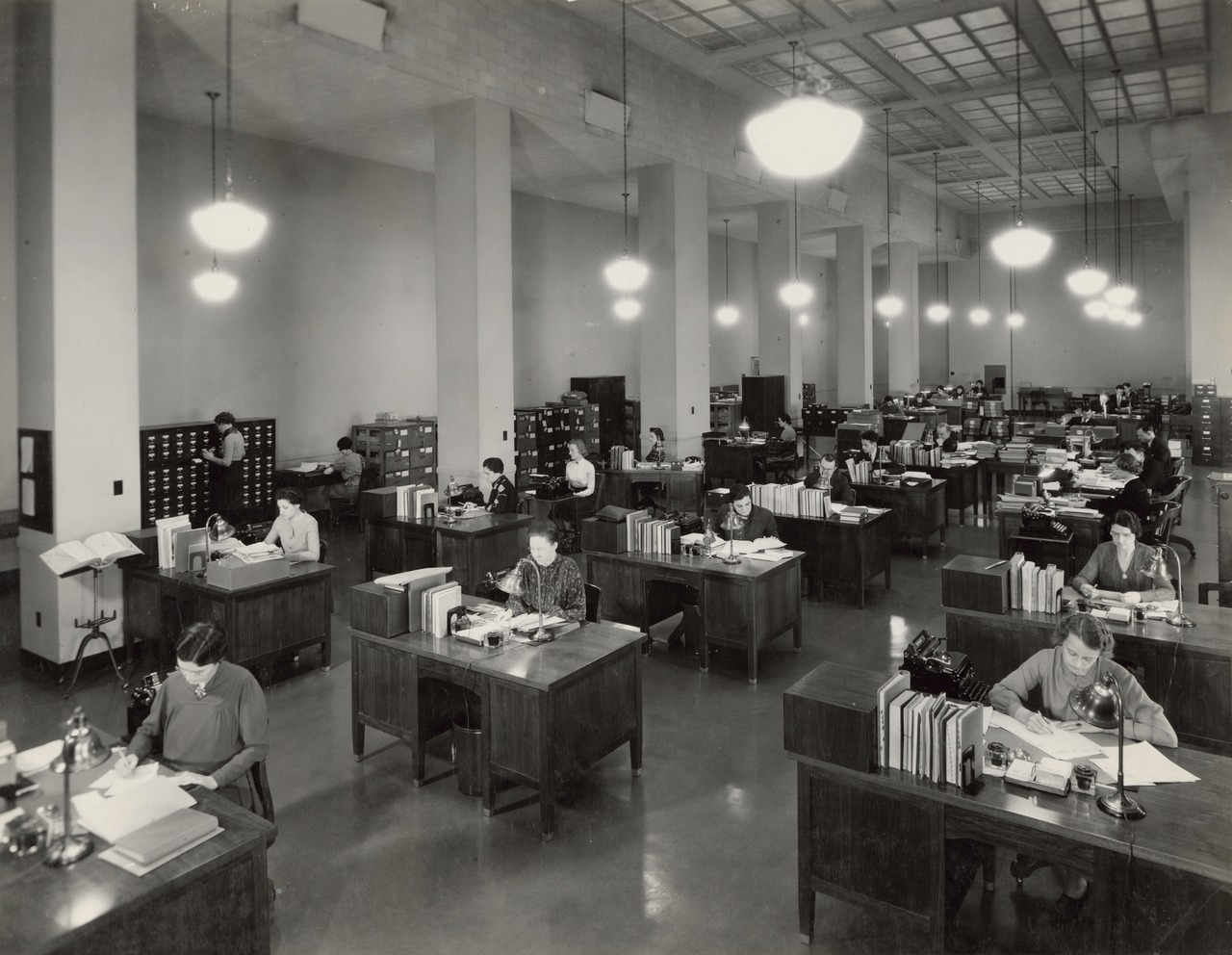
The modern office cubicle grew out of mid‑20th century efforts to balance efficiency, cost and worker comfort. Designers introduced modular systems that could be rearranged to suit different organizations. Over time, trends such as open-plan offices and remote work have influenced the prevalence and configuration of cubicles, prompting new hybrid designs that mix private work areas with collaborative space.
Uses, settings and examples
Cubicles appear in a range of settings. In business and administrative contexts, modular workstations create individual work zones within open office floors; many companies customize panel height, storage and ergonomic accessories to match tasks and staff needs. In recreational facilities, changing cubicles provide personal space for dressing at swimming pools and locker areas, and similar stalls are common in gymnasiums. Office arrangements and equipment choices can be explored in sources about office design.
Besides providing privacy, cubicles help organize space efficiently and can improve concentration when well designed. However, they also raise issues about isolation, lighting, air quality and communication among staff. Contemporary solutions include adjustable heights, acoustic panels, and configurable layouts that aim to balance focus and collaboration.
Notable distinctions include the difference between temporary partitions and fixed small rooms, and between cubicles that serve a single user versus multi‑occupant booths (for example, shared study carrels). Understanding the intended function—work, changing, or storage—guides material choice, ventilation, lighting and accessibility considerations.
Related articles
Author
AlegsaOnline.com Cubicle: workspace stall and private changing enclosure Leandro Alegsa
URL: https://en.alegsaonline.com/art/24526
Sources
- businessinsider.com : "A Brief History Of How The Cubicle Took Over Offices Everywhere"