
Crypt (burial chamber beneath a church or building)
A crypt is an underground chamber used for burials, relics, or chapels beneath churches and other buildings; historically important for funerary practice, architecture, and preservation.
Overview
A crypt is an enclosed subterranean space, typically placed beneath the main floor or the chancel of a church, used to house human remains, relics, or a small chapel. Crypts appear in many religious and secular buildings across different cultures and periods. They are distinct from surface cemeteries and from extensive burial tunnels found elsewhere; often their design responds to liturgical, commemorative, and architectural needs. See a typical location example for context.
Image gallery
10 Images




Characteristics and components
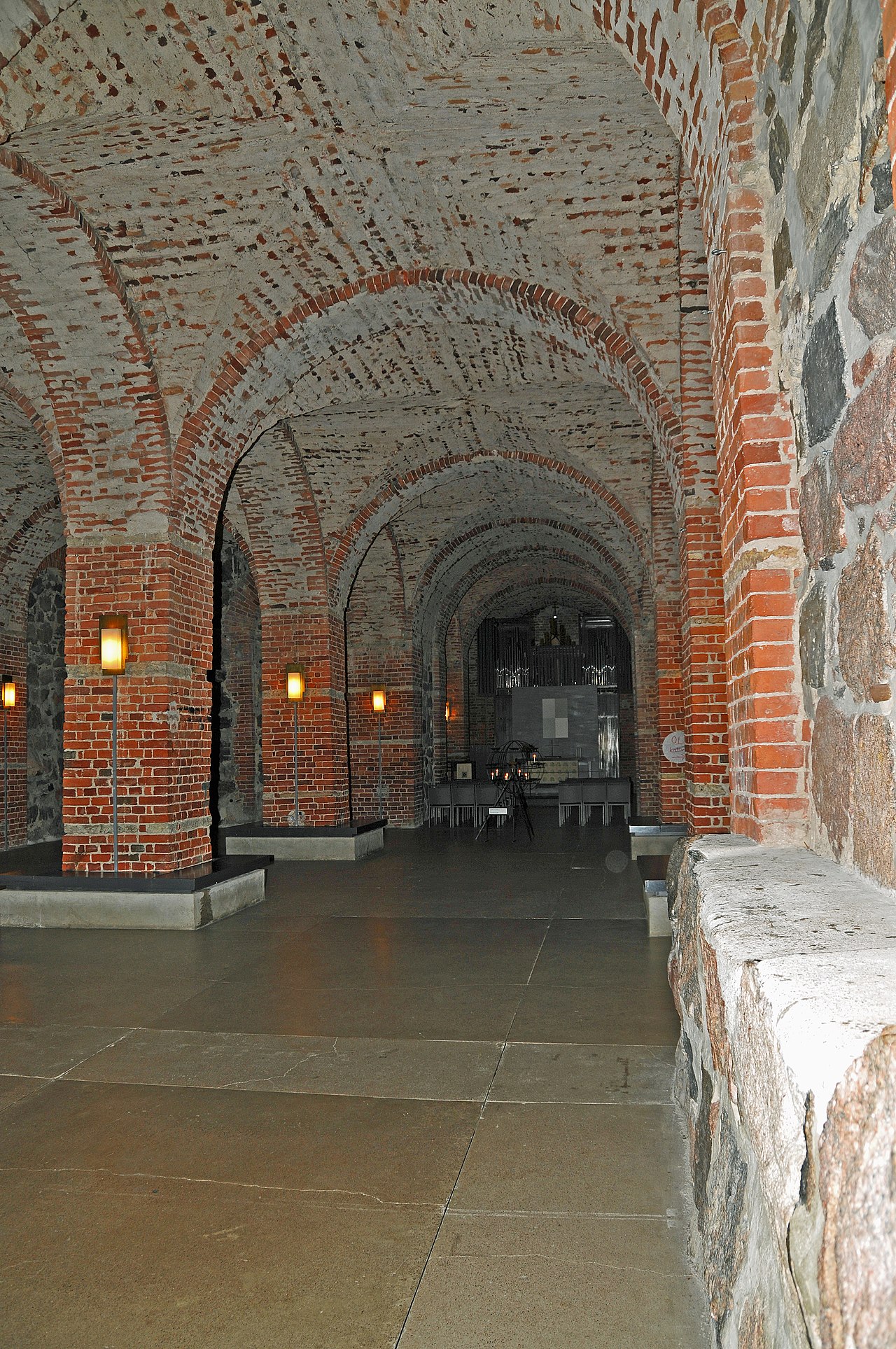
Architecturally, crypts frequently have low vaulted ceilings, stone walls, and a series of compartments or aisles. They may contain stone sarcophagi, built burial niches, coffins, memorial plaques, and liturgical furnishings. In many traditions a crypt also preserves relics of saints and serves as a chapel where Mass or other rites can be performed. Historic crypts often display inscriptions and funerary art that inform about past burial practices and social rank; contemporary crypts can be used for crypt burials or family vaults. Examples of burial treatment and display are documented in guides to burials.
Origins and development
The use of subterranean burial spaces beneath churches grew in late antiquity and the early Christian period, when the proximity to a saint's tomb or altar was considered spiritually significant. During the medieval era many cathedrals and monasteries added crypts to accommodate relics and the remains of bishops, nobles, or benefactors. Over centuries the function and style of crypts evolved, with variations by region, denomination, and architectural fashion. For an introduction to historical development see historical overview.
Uses and significance
Crypts serve several roles: they provide interment space, protect and display relics, offer small chapels for private devotion, and act as commemorative spaces for prominent individuals or families. Archaeologists and conservators study crypts to learn about past health, burial rituals, and material culture. Many crypts also attract visitors and pilgrims because of their art, inscriptions, or religious importance. Practical uses and examples appear in preservation resources on coffins and memorials.
Distinctions and notable facts
- Crypt vs. catacomb: a crypt is usually a chamber under a specific building; catacombs are more extensive networks of underground passages used for burials.
- Crypt vs. vault: vault can mean a single reinforced burial chamber or an architectural vault; crypts often contain multiple vaults or niches.
- Conservation: damp, restricted access, and delicate artifacts make crypts a conservation concern and a subject of controlled tourism.
For further reading on architectural examples, regulations, and conservation practices consult specialized guides and institutional pages on relevant distinctions. Crypts remain important both as sacred spaces and as sources of historical information about burial customs and community memory.
Related articles
Author
AlegsaOnline.com Crypt (burial chamber beneath a church or building) Leandro Alegsa
URL: https://en.alegsaonline.com/art/24450