
Cryonics: low-temperature preservation of human bodies and brains
Cryonics is the low-temperature preservation of legally dead people by vitrification, intended to preserve brain structure for possible future resuscitation; it remains experimental and contested.
Overview
Cryonics is the practice of preserving a human or animal body at very low temperatures after legal death in the hope that future medical advances can restore life and health. The word has roots in the Greek term for cold and many introductory resources show this etymology using a general reference such as term origin. In cryonics the aim is not to immediately restart life but to maintain structural information—especially in the brain—that might be sufficient for later repair.
Image gallery
1 Image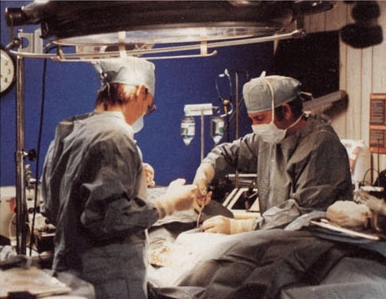
How the process works
Practitioners place the deceased into carefully controlled cooling procedures that avoid simple freezing. Instead of allowing ice crystals to form, which can rupture cells and tissue, cryonics organizations use chemical agents and rapid cooling to produce a glass-like solid known as vitrification. For further technical background see materials linked as vitrification resources.
- Initial stabilization and transport to a facility.
- Replacement of blood and body fluids with cryoprotectant solutions to reduce ice formation and act like an antifreeze; this chemical step is described in brief references such as explanations of perfusion.
- Controlled cooling to liquid nitrogen temperatures (around −196 °C) to minimize thermal and mechanical damage.
- Long-term storage in cryogenic containers.
History and development
Modern cryonics emerged in the mid-20th century from research on low-temperature biology, organ preservation and speculative ideas about future medicine. Early advocates proposed preserving people immediately after death with the expectation that future techniques—perhaps including advanced tissue repair or molecular restoration—could reverse the cause of death. Over decades, the practice has evolved from simple freezing to widespread use of vitrification and improved logistical protocols, though techniques remain experimental.
Scientific status and controversies
At present, no human revived from cryonic preservation exists. Revival of a whole mammal after vitrification and long-term storage has not been demonstrated; experimental results in tissues and some small biological systems show partial protection but not full restoration. Because patients are legally dead and have ceased detectable brain activity—an issue sometimes discussed in medical literature and summaries such as brain activity criteria—revival would require technologies beyond current capabilities. Critics cite ethical, legal and practical concerns, including consent, resource allocation and the uncertain likelihood of successful repair.
Uses, variants and practical considerations
Cryonics arrangements vary: some people choose whole-body preservation, others choose neuropreservation (preserving only the head or brain) based on the idea that brain structure is the critical substrate of identity and memory. Supporters argue preservation should prioritize minimizing injury to brain structure; opponents highlight that ischemic and cellular damage before preservation and the toxic or osmotic effects of cryoprotectants are serious obstacles. For practical guides and organizational descriptions, see example resources such as comparative overviews.
Notable facts and distinctions
Key technical distinctions include freezing versus vitrification: freezing forms ice crystals that damage tissue, whereas vitrification produces a stable glassy state intended to avoid that damage. The legal and philosophical status of cryonics patients—treated as dead under current law—raises questions about property, inheritance and medical oversight. While the idea captures public imagination and features in cultural discussions about longevity, it remains a speculative interface between current cryobiology and imagined future repair technologies.
Those researching cryonics are advised to consult multiple independent scientific and legal sources, and to treat claims of near-term revival with caution. Institutional practices, costs and procedures differ among providers, and the field combines aspects of experimental cryobiology, bioethics and long-term storage logistics.
Origin of term | Vitrification overview | Brain activity and death | Comparative summaries | Perfusion & cryoprotectants
Related articles
Author
AlegsaOnline.com Cryonics: low-temperature preservation of human bodies and brains Leandro Alegsa
URL: https://en.alegsaonline.com/art/24445
Sources
- alcor.org : "Cryonics: Alcor Life Extension"
- cryonics.org : "Cryonics Institute"
- americancryonics.org : "American Cryonics Society" · web.archive.org
- kriorus.com : "KrioRus - the first cryonics company in Eurasia"