
Digital forensics: principles, methods, and applications
Digital forensics examines electronic devices and data to recover and interpret evidence for criminal, civil, and security incidents, covering methods, tools, legal issues, and common challenges.
Digital forensics is the systematic recovery, preservation and analysis of information from electronic devices and storage media. As a branch of forensic science, it focuses on artifacts created, modified or accessed by people using a computer or other digital device in the course of activity that may relate to a crime, dispute or security incident. Practitioners—often called analysts or investigators—draw on technical, legal and procedural knowledge to make digital material understandable and admissible in court or other proceedings.
Image gallery
7 Images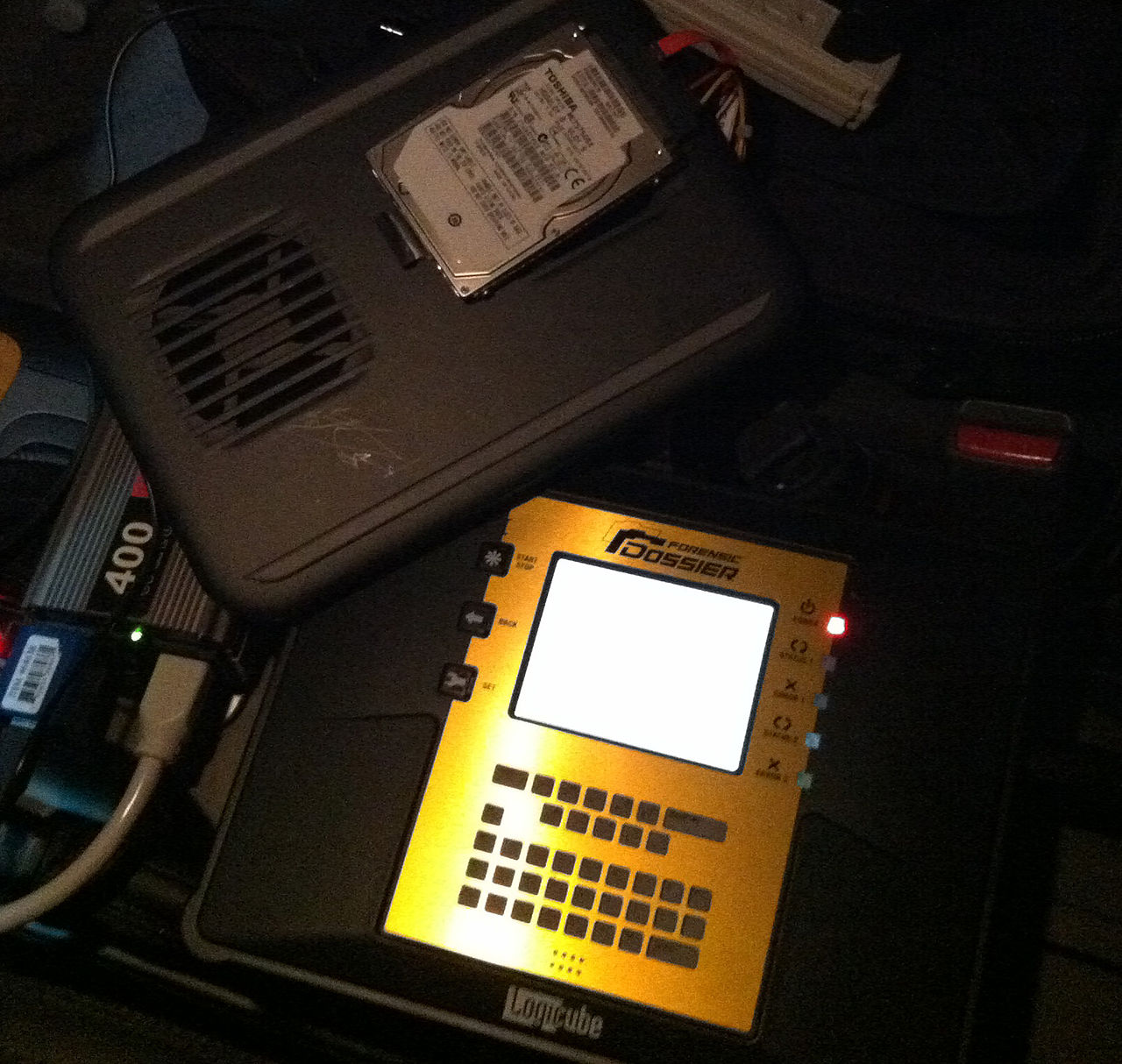


Core activities and techniques
A typical digital forensics process follows several stages: identification, preservation, collection, analysis and reporting. Investigators first identify relevant devices and data sources, which can include workstations, servers, removable media and mobile devices such as mobile phones. Preservation uses methods like forensic imaging and write blockers to avoid altering original evidence. Collected items are then analyzed with specialized software to extract files, logs, metadata, artifacts and deleted content. Findings are documented and reported in a way that explains methods, limitations and conclusions.
- Identification: locating possible sources of evidence.
- Preservation: securing data to prevent modification.
- Collection: creating forensic copies for examination.
- Analysis: recovering and interpreting artifacts and evidence.
- Reporting: producing technical reports and expert testimony.
History and development
Digital forensics emerged as computers entered workplaces and homes and as law enforcement confronted computer-related crime. Early efforts focused on simple file recovery; as networks, the internet and mobile computing expanded, the field grew to cover volatile memory, cloud services and distributed systems. Standards, best practices and legal frameworks evolved to address admissibility, preservation and the increasing volume of data investigators must process.
Applications and examples
Uses of digital forensics span criminal investigations, corporate disputes and information security. Law enforcement uses it to investigate fraud, child exploitation, violent crime and other offenses. In civil matters, electronic discovery—commonly called eDiscovery—helps parties locate documents and communications relevant to litigation. In cybersecurity, incident response specialists perform forensic analysis after a breach to determine how a hacker gained access and what was affected on a compromised network.
Tools, standards and good practice
Investigators rely on a mix of commercial and open tools for imaging, file recovery, timeline analysis and log correlation. Good practice emphasizes meticulous chain-of-custody records, validated methods, repeatable procedures and clear documentation to support legal scrutiny. Professional certifications and guidelines help maintain quality, but courts also evaluate reliability and relevance on a case-by-case basis.
Challenges and notable considerations
Key challenges include encryption, anti-forensics techniques, massive data volumes and cross-jurisdictional issues when data is stored in the cloud. Privacy, search warrants and lawful authority shape what analysts may legally examine and disclose. Because technology and attack methods change rapidly, digital forensics remains an evolving discipline that balances technical recovery with legal and ethical constraints.
Questions and answers
Q: What is digital forensics?
A: Digital forensics is a forensic science where experts look at computer devices to help solve crime.
Q: Who are the experts who do digital forensics?
A: The experts who do digital forensics are often called "analysts" or "investigators".
Q: What is an investigation in digital forensics?
A: When an expert is asked to look at a computer it is called an "investigation". A digital forensics investigation happens when someone is blamed for a crime that includes using a computer.
Q: What do experts do in a digital forensics investigation?
A: The expert will look for evidence about the crime. They will try to prove whether the person is to blame or not.
Q: What is eDiscovery?
A: Sometimes investigations are used in disputes between companies and/or people (known as civil law). These may not involve a crime. Instead, the expert is asked to find out information about a person or company by looking at their computer. There is a specific word used to describe this type of investigation, it is "eDiscovery".
Q: What is intrusion detection in digital forensics?
A: Intrusion detection is another use of digital forensics. It happens after a hacker breaks into a computer network. After the break-in, an expert is often asked to look at the networked computers to try and find out how it happened.
Q: Can digital forensics investigations only involve computers?
A: No, digital forensics investigations can also include mobile phones.
Related articles
Author
AlegsaOnline.com Digital forensics: principles, methods, and applications Leandro Alegsa
URL: https://en.alegsaonline.com/art/27380