
Brain death
Brain death is the irreversible and complete loss of all brain function. This article describes what brain death means, how it is diagnosed, common causes, medical management, and ethical and legal issues.
Overview
Brain death is the irreversible and complete cessation of all functions of the entire brain, including the brainstem. When brain death has occurred, there is no possibility of recovery: the person cannot breathe without mechanical support, cannot respond to stimuli, and has permanently lost consciousness and awareness. The condition differs from other severe disorders of consciousness that may retain some brain activity.
Image gallery
2 Images
Key characteristics and clinical signs
Clinical features used to identify brain death include unresponsiveness, absence of brainstem reflexes, and lack of spontaneous respiration. Examinations look for the absence of pupillary response to light, no gag or cough reflex, and no breathing drive when taken off a ventilator under carefully controlled testing conditions. Physicians assess for signs that reflect loss of function in the brain regions that control consciousness and basic life-sustaining reflexes such as breathing, regulation of body temperature, and modulation of heart rate.
Diagnostic process and ancillary tests
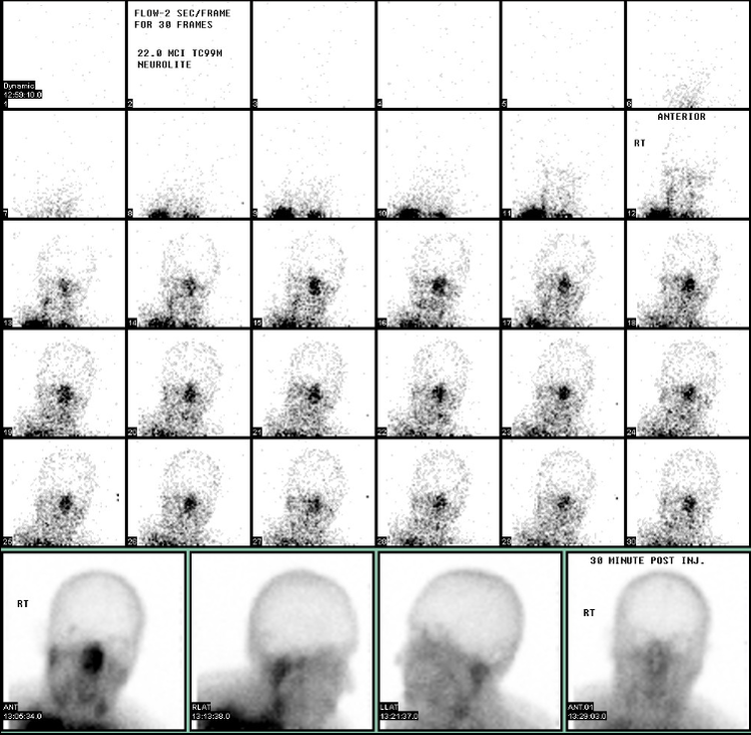
Before declaring brain death, medical teams must exclude reversible causes of depressed brain activity, including drug intoxication, severe metabolic disturbance, or profound hypothermia. When clinical evaluation is complete but uncertainty remains, ancillary tests may be used. These tests can include electroencephalography to evaluate electrical activity, or imaging studies that assess cerebral blood flow. The specific combination of clinical examination and ancillary testing follows accepted medical guidelines and may vary by region.
Causes and pathophysiology
Conditions that cause catastrophic and irreversible damage to brain tissue can lead to brain death. Typical underlying events include major traumatic brain injury, large ischemic strokes, prolonged lack of oxygen after cardiac arrest, or widespread swelling from severe infection or hemorrhage. When intracranial pressure rises enough to stop cerebral blood flow, neurons and supporting cells suffer irreversible injury.
Medical care and organ support
Although brain function is absent and cannot be restored, other organs may be temporarily sustained with intensive care. Mechanical ventilation, usually provided with a ventilator, ensures delivery of oxygen to the blood and into the lungs. Medications and fluid management can support circulation and blood pressure to preserve perfusion of other organs for a limited period. Such support is sometimes continued to allow family time for decisions or to permit organ donation when appropriate. Even with support, the absence of brain function means recovery does not occur.
Pediatric considerations
Determination of brain death in infants and children follows age-specific protocols in many jurisdictions. Because of developmental differences and diagnostic complexity, teams may require additional observation time or confirmatory testing in younger patients. Clinical teams are cautious and follow established pediatric guidelines to ensure accurate determination.
Ethical, legal and social considerations
Brain death has major ethical and legal implications because many legal systems recognize it as death for purposes of discontinuing life-sustaining treatment and for organ donation. Practices and statutes vary by place, and health professionals follow local laws and institutional policies. Families often face difficult decisions and need clear, compassionate communication, time to ask questions, and access to support services.
Distinctions from related conditions
- Coma: A coma is a deep state of unconsciousness in which some brain activity may remain and recovery is possible in some cases.
- Vegetative state or unresponsive wakefulness: These states may show sleep–wake cycles and some autonomic activity, but awareness is absent; they are not the same as brain death.
- Locked-in syndrome: In this rare condition, awareness is preserved but the person cannot move or speak; it is distinct from brain death.
Communication and support for families
Explaining brain death to families requires time, clear language, and sensitivity. Clinicians often provide repeated explanations, invite questions, and may support meetings with multiple professionals. Information about organ donation, religious or cultural considerations, and available bereavement resources should be offered compassionately.
Further information
Readers seeking more detail can consult clinical guidelines and educational resources on anatomy of the brain, control of breathing, regulation of body temperature, and cardiovascular control including heart rate. Practical sources describe the role of medications, the use of ventilators, oxygenation with oxygen, and pulmonary considerations for the lungs when maintaining other organs for donation or end-of-life support.
Questions and answers
Q: What is brain death?
A: Brain death means that the brain has stopped working permanently and cannot be cured or reversed.
Q: Is there any treatment for brain death?
A: No, there is no treatment that can help brain death.
Q: What happens when a person is brain dead?
A: When a person is brain dead, there is no activity in any part of their brain. Every part of the brain is dead; no oxygen flows to the brain, and there is no electrical activity in any part of the brain.
Q: What does the brain control in our body?
A: The brain controls everything we need to do to stay alive, such as breathing, body temperature, heart rate, and other important things.
Q: Can a brain-dead person breathe on their own?
A: No, a brain-dead person cannot breathe on their own.
Q: Can a brain-dead person wake up or be aware of their surroundings?
A: No, a brain-dead person will never be able to wake up or be aware of what is going on around them.
Q: Can a brain-dead person be kept alive with special machines and medications?
A: Yes, sometimes doctors can keep brain-dead people alive with special machines and medications. However, while these machines can keep the person's other organs alive for a while, they cannot help the brain get better, and eventually, the person's other organs will stop working too.
Related articles
Author
AlegsaOnline.com Brain death Leandro Alegsa
URL: https://en.alegsaonline.com/art/13656
Sources
- merckmanuals.com : "Brain Death"
- aan.com : "Determining Brain Death in Adults"