
Cream (band)
Cream were a late-1960s British rock power trio — Eric Clapton, Jack Bruce and Ginger Baker — known for virtuoso blues-rock, extended improvisation, influential recordings and a brief but lasting legacy.
Overview
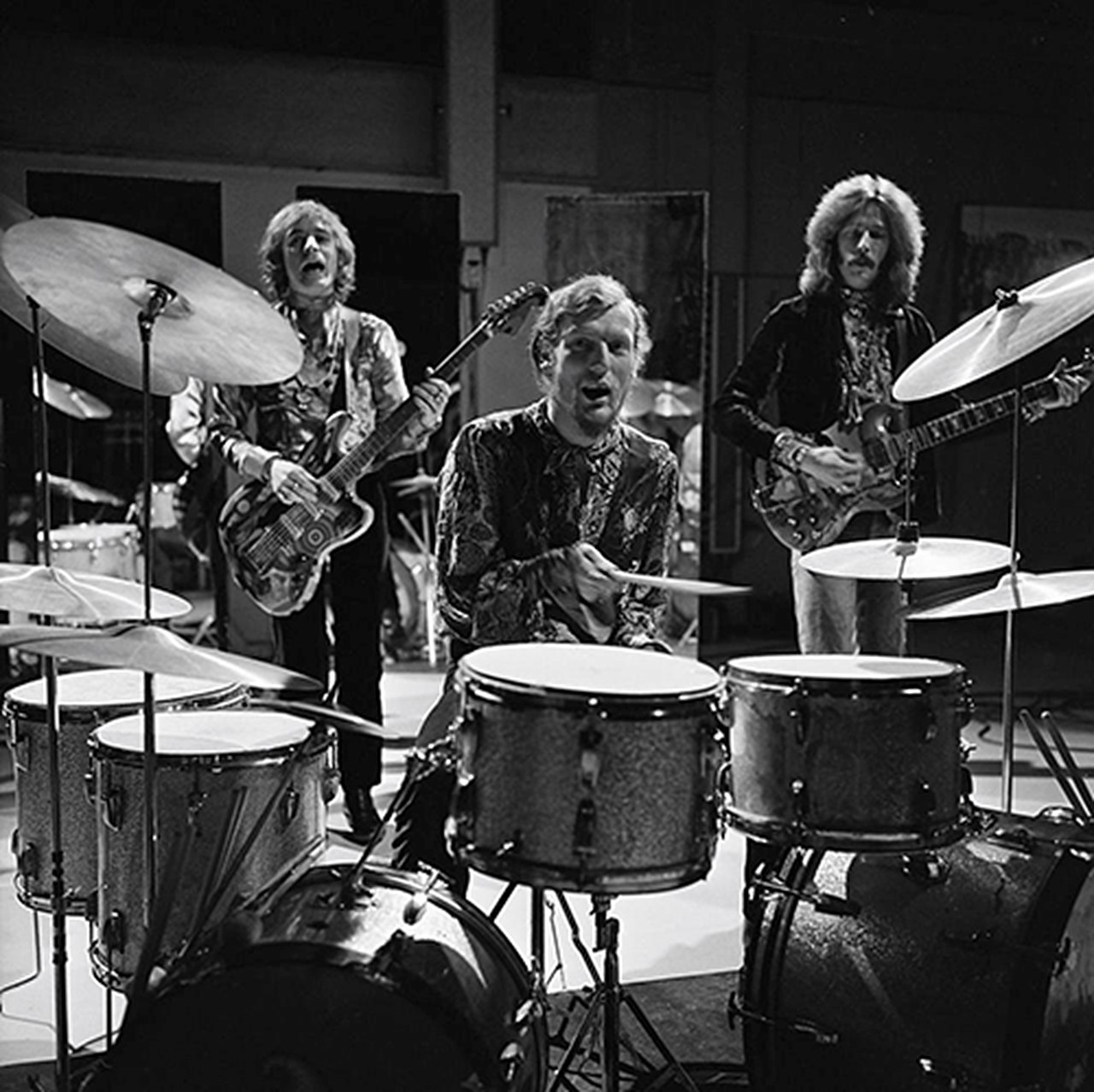
Cream were a British rock band formed in 1966 that brought together three prominent musicians: guitarist Eric Clapton, bassist and vocalist Jack Bruce, and drummer Ginger Baker. Emerging from the vibrant British blues scene of the late 1960s, they combined electric blues, hard rock and improvisatory jazz influences to create a compact but powerful sound. Because each member took on both solo and ensemble responsibilities, they were often described as a power trio.
Image gallery
9 Images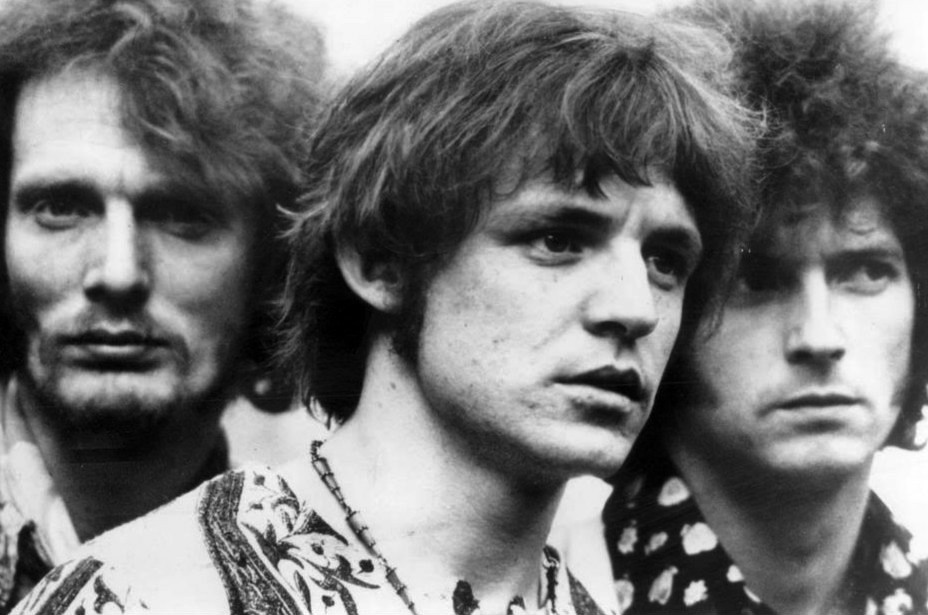




Members and musical roles
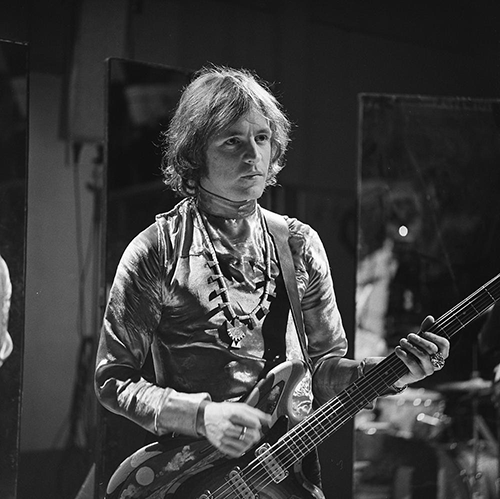
The trio's chemistry relied on contrasting but complementary skills: Clapton's expressive lead guitar work emphasized tone and phrasing; Bruce provided melodic bass lines, strong harmonic ideas and distinctive singing; Baker contributed inventive drumming that drew on jazz phrasing and syncopation. Together they explored simultaneous soloing and interaction that blurred traditional supporting roles in a three-piece group. Their background in the British blues and R&B circuit informed both their repertoire and their approach to arranging and improvisation.
Recordings and notable songs
Cream released several studio albums and live recordings that balanced tightly arranged songs with extended improvisation. Early records introduced their electric blues roots, while later sessions incorporated psychedelic textures and studio experimentation. Their best known singles include "Sunshine of Your Love", "White Room" and "Strange Brew", which helped bring their sound to a wide audience and are often cited among their signature hit records. On their final studio album they recorded the song "Badge", credited to Clapton and co-written with George Harrison, who was a member of The Beatles.
Live performance and approach to improvisation
Cream's live shows often expanded studio tracks into lengthy performances featuring extended solos and group interplay. The trio's approach emphasized spontaneous development within set forms, allowing each musician space to take melodic risks while maintaining ensemble cohesion. This balance of structure and freedom influenced later hard rock, blues-rock and jam-band traditions; many musicians have cited Cream's recordings and concert releases as formative references for combining high-volume rock with jazz-like improvisation.
Breakup, later activity and reunions
Intense creative collaboration, strong personalities and the pressures of touring contributed to tensions within the group, and Cream ceased regular activity by the end of the 1960s. The members moved on to solo careers and other projects, sustaining influential individual legacies in rock, jazz and popular music. Decades after their initial run the trio reunited for a brief series of high-profile concerts in the 2000s, which drew attention to their role in rock history and introduced their work to new audiences.
Legacy
Cream are widely regarded as one of the most technically accomplished and influential rock trios of their era. Their innovations included amplified blues vocabulary at higher volumes, novel use of guitar effects and tone, prominent and melodic fretless bass playing, and a drumming style that merged rock steadiness with jazz-derived rhythms. They are frequently discussed in studies of late-1960s British popular music and are cited as a model for later bands that sought to combine virtuosity with commercial songwriting.
- The three-piece format highlighted individual responsibility and collective interplay, encouraging other groups to experiment with extended improvisation.
- Cream's recordings demonstrate a range from concise singles to expansive live performances, illustrating studio experimentation alongside onstage spontaneity.
- The band helped popularize certain guitar tones and effects in rock music and inspired generations of guitarists, bassists and drummers.
- Their brief but intense career is often used as an example of the creative peaks and interpersonal pressures that characterized many late-1960s ensembles.
For introductory summaries and continuing commentary on the group's impact, readers may consult general entries on the band, histories of late-1960s rock and assessments of their recordings and live concerts. The trio's work remains a frequent subject of retrospectives and curated collections that explore the evolution of modern rock performance and recording practice.
Related articles
Author
AlegsaOnline.com Cream (band) Leandro Alegsa
URL: https://en.alegsaonline.com/art/24040