
Power trio (rock band format)
A three-member rock band format built around guitar, bass and drums. Explains roles, history, musical features, advantages and notable examples of the power trio.
Overview
The term power trio refers to a three-person band configuration most commonly associated with rock music. It emphasizes a compact line-up in which a small number of musicians produce a full, energetic sound that often lacks the extra rhythm guitar or keyboard parts found in larger ensembles. The label was popularized in the 1960s but is still used today to describe any tight, three-member group across several styles.
Image gallery
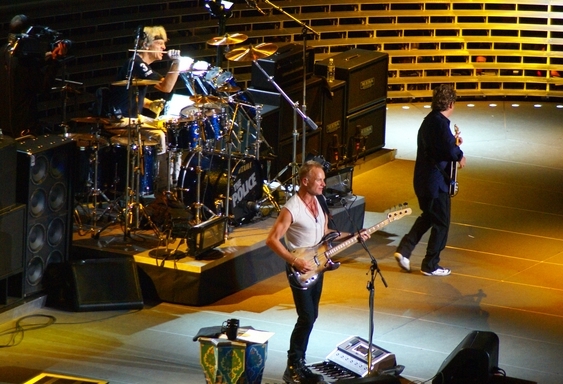
4 Images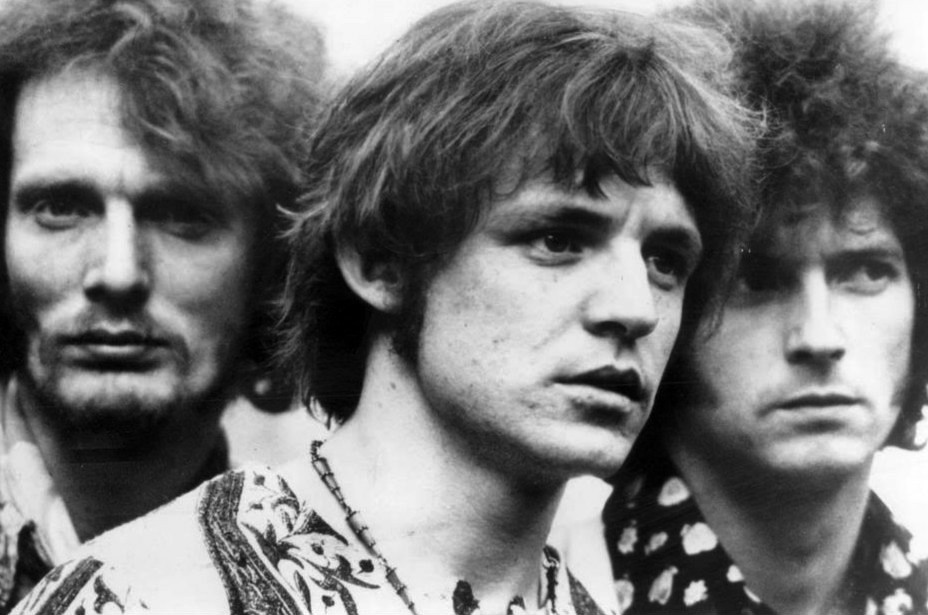


Typical lineup and musical roles
Most classic power trios follow the basic instrumental grouping of guitar, bass and drums. Each player usually covers a broader range of responsibility than in bigger bands, creating a self-contained sonic unit:
- Guitar — often handles lead melody, harmonic accompaniment and sometimes rhythm parts; guitarists may use effects, loopers or alternate tunings to widen the sound.
- Bass — provides low-end foundation and frequently takes melodic or counter-melodic roles to fill space.
- Drums — drives tempo and dynamics, often using varied textures to support transitions and build intensity.
Origins and development
Early adopters in the mid-20th century stripped rock arrangements down to three musicians to increase clarity and interplay between instruments. The format deliberately omits a separate rhythm guitar or keyboard player in a live setting, although studio recordings and later performances sometimes add overdubs or guest players. Over decades the power trio evolved with technology — amplifiers, multi-effects and looping — enabling greater sonic variety from fewer people.
Advantages and challenges
Advantages include tight communication, lower logistical cost, and an emphasis on individual musicianship. Challenges include the need for strong arrangements so the trio does not sound thin; players must occupy more musical space and react dynamically to one another. In many trios one member will sing while instrumental responsibilities are shared or rearranged to suit songs.
Examples, variations and cultural impact
Famous examples and modern permutations show the format's flexibility: three-piece bands have been central to blues-rock, hard rock, punk and alternative scenes. Some trios expand their recorded sound with guest musicians or backing tracks but keep the three-member identity on stage. The power trio remains a recognizable and influential approach to band organization because it balances simplicity with sonic power.
For further reading see material on band formats and ensemble roles: band format, historical surveys: 1960s, instrument roles: guitar, bass, drums, and discussions contrasting the absence of a rhythm guitar or keyboard in classic trio settings.
Related articles
Author
AlegsaOnline.com Power trio (rock band format) Leandro Alegsa
URL: https://en.alegsaonline.com/art/78553