
Craniata — skull-bearing chordates including vertebrates and hagfishes
Craniata is the clade of chordates characterized by a skull (cranium). It traditionally groups Vertebrata and hagfishes; its limits and relation to vertebrae are debated in anatomy and molecular studies.
Overview
Craniata is a taxonomic grouping of animals within the phylum Chordata defined primarily by the presence of a skull or cranium. Living members include the well-known subphylum Vertebrata (fishes, amphibians, reptiles, birds, mammals) together with the jawless hagfish. The cranium encases and protects the brain and sensory organs, and its origin marks an important step in vertebrate evolution.
Image gallery
10 Images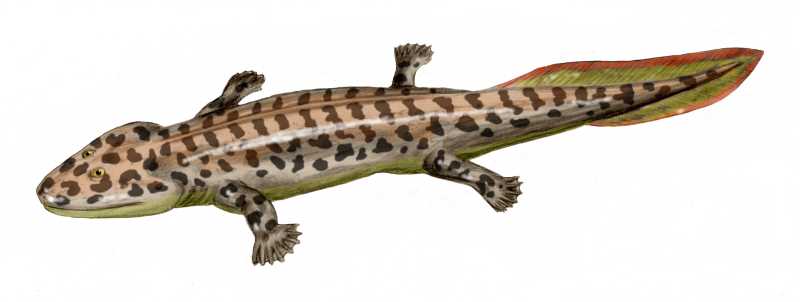


Characteristics and classification
Craniates share several anatomical features related to head structure: a cartilaginous or bony skull, a centralized brain, and associated sensory organs. Many craniates also possess embryonic cell populations (neural crest and cranial placodes) that contribute tissues to the head. However, not all craniates have a complete spinal column.
Taxonomic treatments vary. Some authors use Craniata to emphasize skull possession even when vertebrae are reduced or absent; others prefer the term Vertebrata to include hagfish within the vertebrate lineage. These differences reflect how specialists weigh skeletal versus molecular evidence when defining groups.
History and scientific debate
Historically the presence of vertebrae distinguished Vertebrata, but discoveries about jawless fishes changed that view. Certain taxa such as hagfish possess a cranium but lack fully developed vertebrae as conventionally defined; this led to the alternative use of Craniata to group skull-bearing animals. Molecular and developmental studies have since provided new perspectives, with some analyses supporting a close relationship between hagfish and lampreys and others keeping hagfish as a sister lineage.
Importance, examples and notable facts
The cranium enabled more complex feeding, sensory and neural specializations that underlie vertebrate success. Examples of craniates include sharks, salamanders, eagles, whales and humans. Distinguishing features to remember: the defining skull (cranium) and the variable presence of true vertebrae. Simple reference points: skull-based diagnoses emphasize a head-centered evolutionary innovation; skeleton-based definitions emphasize segmented vertebral elements.
Further reading
- General reviews of chordate evolution and head development (skull formation).
- Comparative studies on hagfish anatomy and evolution (hagfish).
- Molecular phylogenies addressing relationships among early craniates (chordate research).
For concise summaries and taxonomic definitions see works that discuss Vertebrata and related clades; a range of modern sources explore whether Craniata should be treated as distinct from, or synonymous with, Vertebrata depending on criteria used.
Related articles
Author
AlegsaOnline.com Craniata — skull-bearing chordates including vertebrates and hagfishes Leandro Alegsa
URL: https://en.alegsaonline.com/art/23958