
Counterterrorism: Methods, History, and Legal Issues
Survey of counterterrorism: goals, methods, organizational roles, historical development, legal and ethical challenges, and current trends in preventing and responding to terrorist violence.
Counterterrorism refers to the coordinated policies, operations, laws and practices intended to prevent, deter and respond to acts of terrorism. It spans intelligence collection, law enforcement, military action, border control, emergency response and community-based prevention. Different states and international organizations adopt a range of strategies that reflect legal frameworks, threat assessments and available resources. For an overview of definitions and international perspectives see reference materials.
Image gallery
8 Images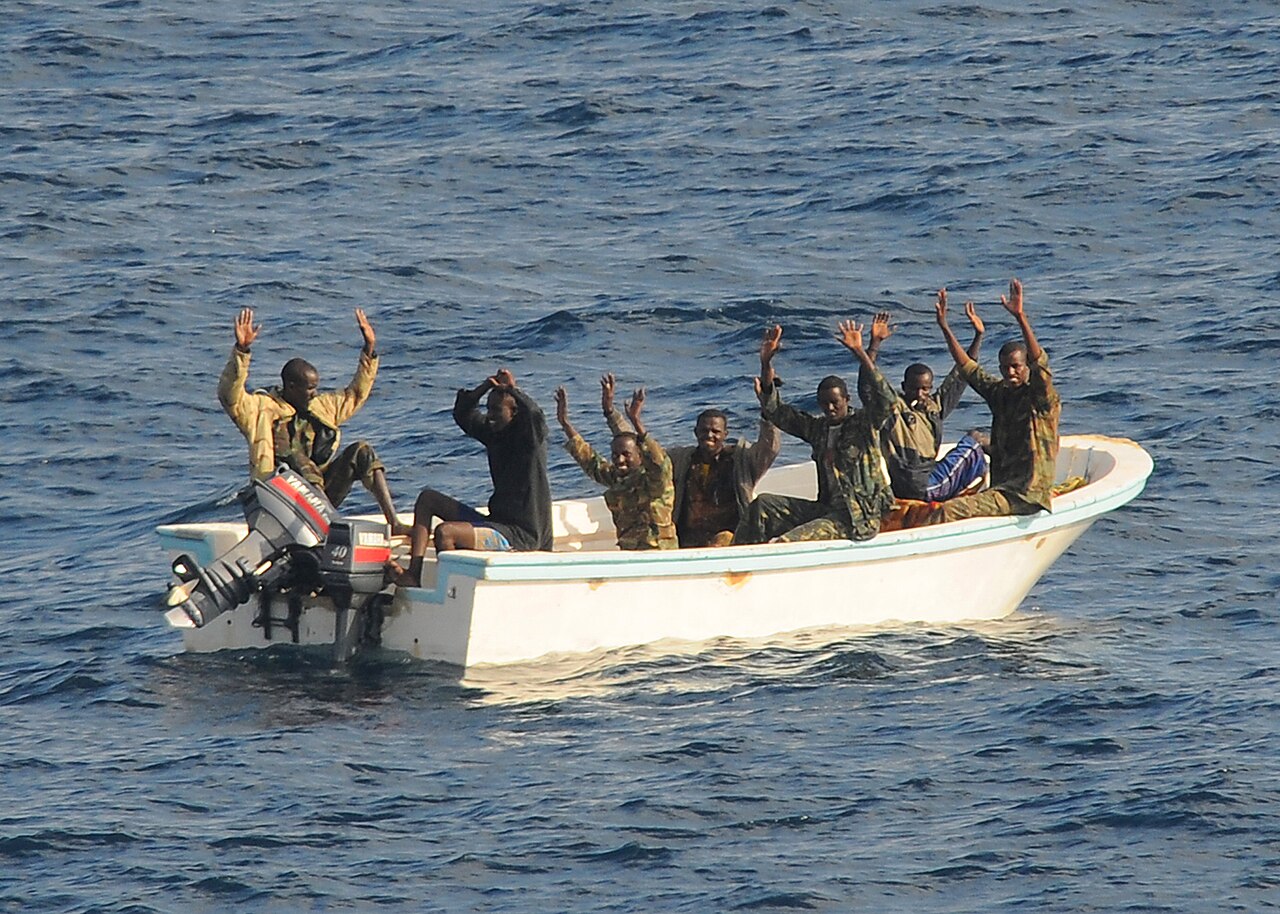

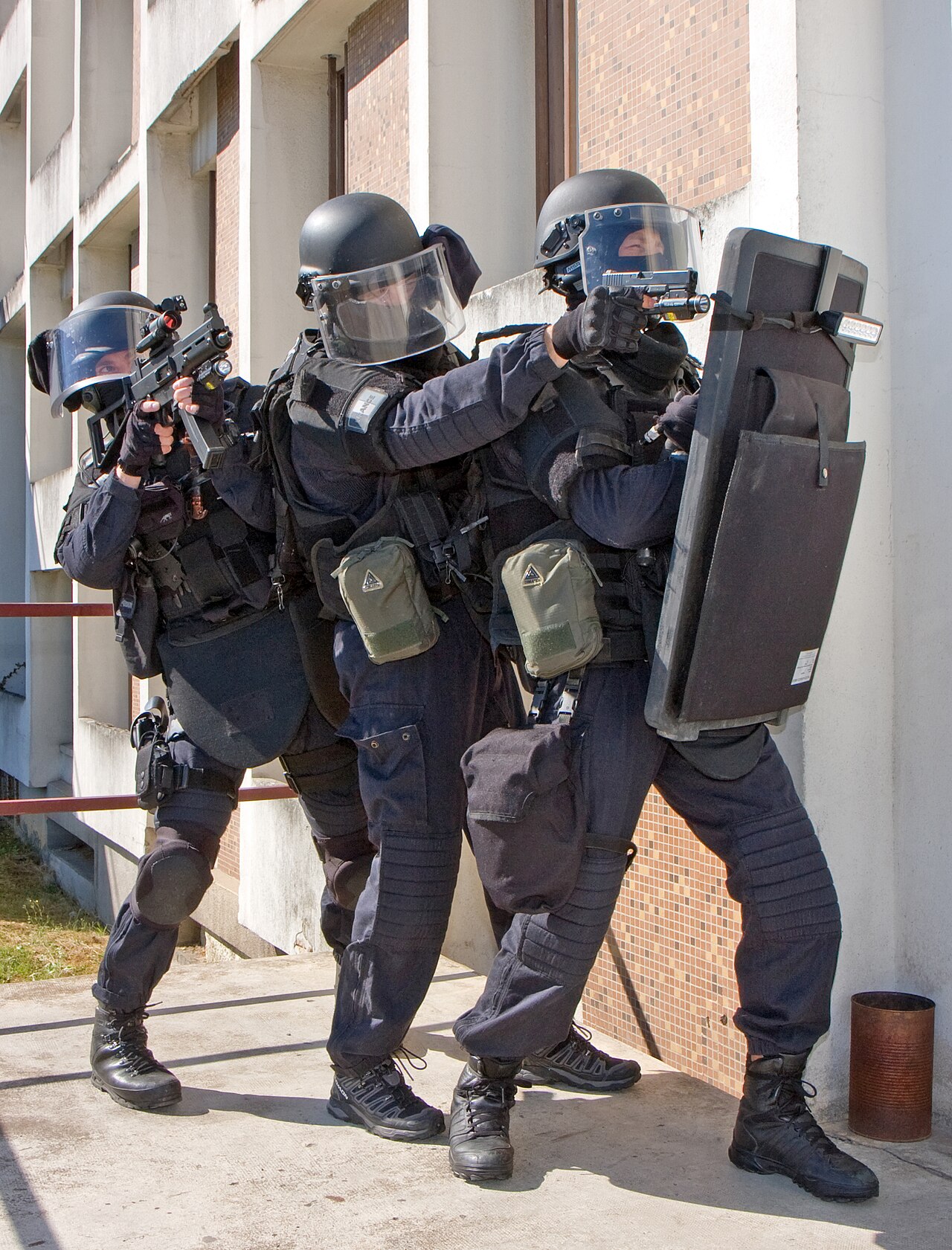


Core functions and typical actors
Counterterrorism activity is carried out by a mix of public bodies and sometimes private partners. Common actors include national governments, specialized military or paramilitary units, police forces, intelligence services, border agencies and emergency responders. Non-governmental institutions—such as critical infrastructure operators and civil society groups—also play roles in resilience and prevention. Examples of core functions are:
- Intelligence and surveillance — identifying plots, networks and radicalization through human sources, signals intelligence and open-source analysis.
- Law enforcement and prosecution — arresting suspects, gathering admissible evidence, prosecuting offenders and applying criminal justice measures.
- Military and tactical response — deploying trained forces to interdict, rescue hostages or eliminate armed threats when incidents escalate into armed conflicts.
- Prevention and counter-radicalization — programs to reduce recruitment, address grievances and support community resilience.
- Protective security — hardening potential targets, securing transportation and gathering places to reduce vulnerability.
- Emergency management — medical, firefighting and continuity-of-government measures during and after attacks.
Historical development
Organized responses to politically motivated violence predate the modern nation state, but systematic counterterrorism as a policy field expanded in the 20th century. States adapted policing and intelligence techniques to counter anarchists and insurgent groups early on; later Cold War dynamics and decolonization introduced new forms of political violence. The late 20th and early 21st centuries saw significant institutional change: international cooperation increased, legal instruments evolved to address transnational finance and travel, and many countries reorganized security services after major attacks. For historical case studies and institutional timelines consult government resources and academic summaries.
Practical approaches and examples
Practitioners distinguish between prevention (stopping plots before they mature), disruption (interrupting capability or intent), and response (neutralizing an attack and treating victims). Preventive measures include community outreach and online counter-messaging, while disruption may involve arrests, sanctions, or seizure of materials. Tactical responses range from specialist police interventions to military special operations. Legal follow-through—investigation, trial and rehabilitation—seeks to uphold the rule of law. Examples of joint mechanisms, training exchanges and shared databases appear in multilateral forums and are described in sources such as international agreements.
Legal, ethical and societal considerations
Counterterrorism policies raise persistent concerns about civil liberties, due process and human rights. Balancing effective prevention with legal safeguards requires oversight, transparent legal standards and judicial review. Special powers—surveillance warrants, detention without charge in limited cases, or targeted sanctions—are controversial when they lack accountability. Oversight bodies, parliamentary committees and independent ombuds institutions are common checks; see legal frameworks and human rights guidance for examples of limits and safeguards.
Distinctions, challenges and future trends
Terrorism is distinct from ordinary crime and from legitimate armed conflict, though overlap occurs where criminal networks fund violent actors or insurgencies adopt terror tactics. Contemporary challenges include the rise of lone-actor attacks, rapid online radicalization, encrypted communications, and the use of drones or cyber tools by violent actors. Emerging priorities for the field include improving international data-sharing, building resilient infrastructure, integrating public health responses, and adapting to technological change. Analyses and policy proposals are available through specialized centers and advisory groups; see further reading at policy briefs and research portals.
Effective counterterrorism blends prevention, enforcement and community engagement while remaining subject to legal and ethical constraints. Its aim is to protect populations and institutions without eroding the rights and norms that underpin democratic societies.
Questions and answers
Q: What is counter-terrorism?
A: Counter-terrorism is work done to prevent and fight against terrorism.
Q: Who usually carries out counter-terrorism?
A: Governments, militaries, paramilitaries, police forces, and special counter-terrorism units usually carry out counter-terrorism.
Q: What are the different ways to do counter-terrorism?
A: There are many different ways to do counter-terrorism, including trying to find out about plans to commit terrorism, arresting terrorists or sending security to protect targets, and sending police or counter-terrorist soldiers to stop terrorists from completing their plans.
Q: What is an important goal of counter-terrorism?
A: An important goal of counter-terrorism is to stop terrorism before it happens.
Q: How is terrorism sometimes stopped before it happens?
A: Terrorism is sometimes stopped before it happens by trying to find out about plans to commit terrorism and then arresting terrorists or sending security to protect the target.
Q: What happens when no one finds out about a terrorist plot until it starts to happen?
A: When no one finds out about a terrorist plot until it starts to happen, the police or counter-terrorist soldiers may be sent to try and stop the terrorists from completing the plan, which usually leads to combat.
Q: Why is counter-terrorism important?
A: Counter-terrorism is important because it helps prevent acts of terrorism which can cause destruction, harm and loss of life, and create a sense of fear and insecurity in society.
Related articles
Author
AlegsaOnline.com Counterterrorism: Methods, History, and Legal Issues Leandro Alegsa
URL: https://en.alegsaonline.com/art/23478