
Dassault Mirage 2000: French delta‑wing multirole fighter
The Dassault Mirage 2000 is a French single‑engine, delta‑wing multirole fighter developed by Dassault Aviation in the late 1970s and widely exported with several upgraded variants.
Overview
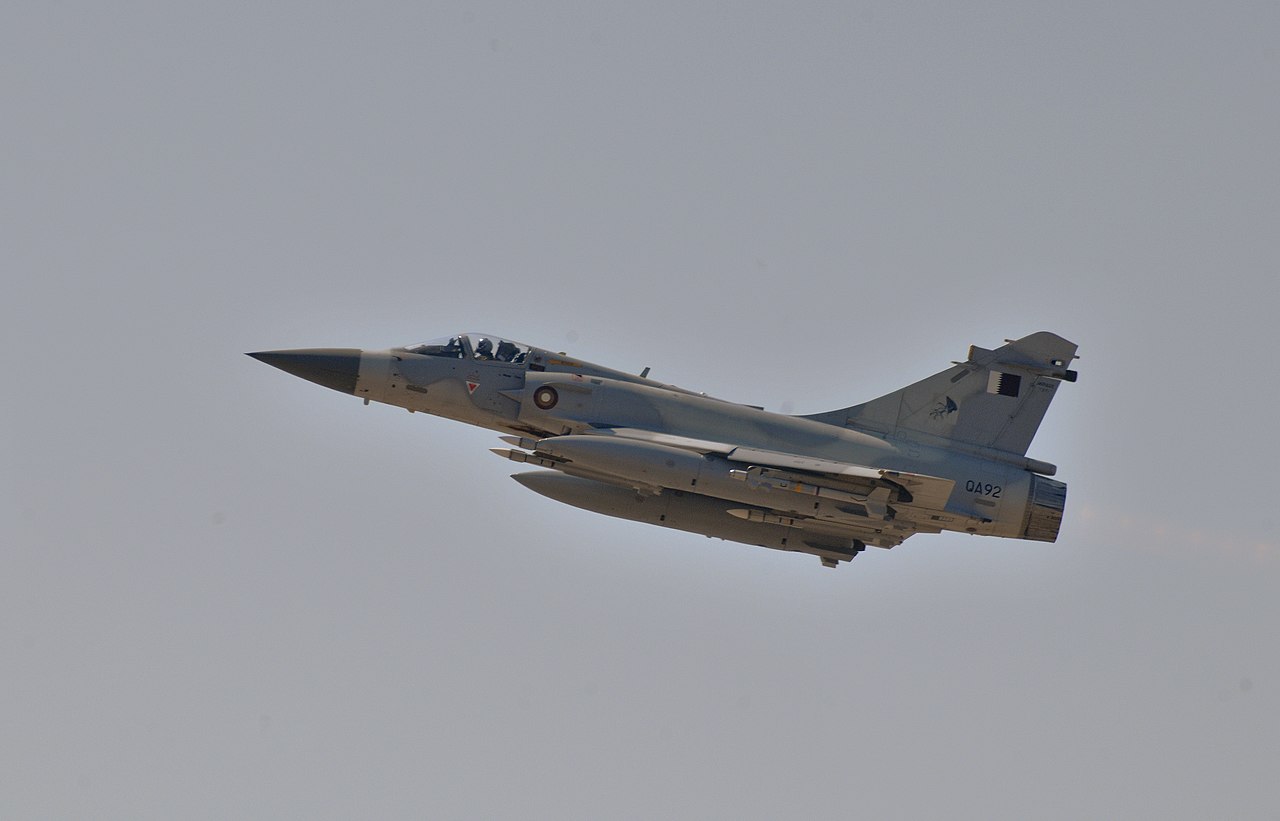
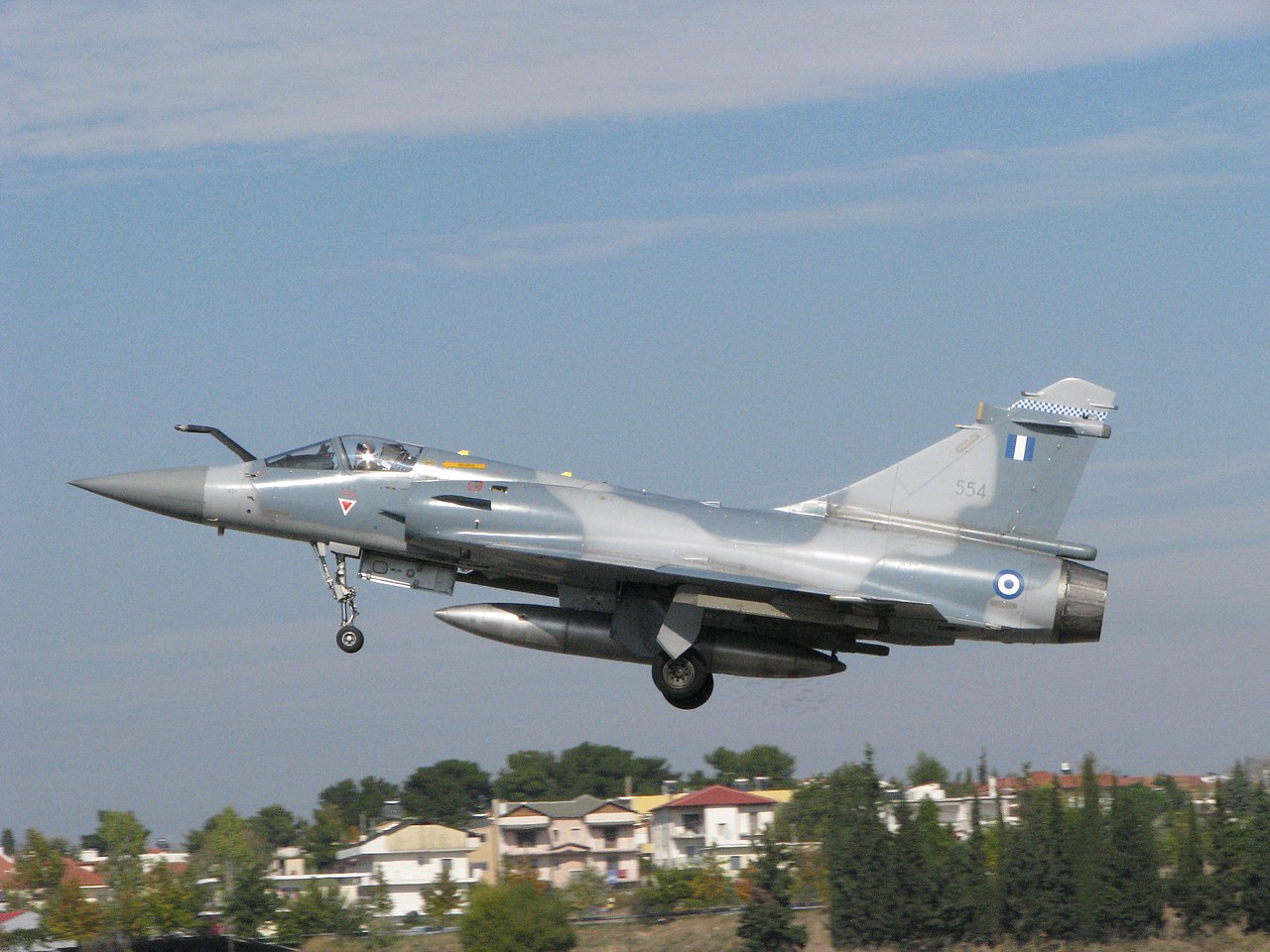
The Dassault Mirage 2000 is a lightweight, single‑engine multirole combat aircraft designed and built in France by Dassault Aviation. Conceived in the late 1970s to replace older Mirage types, it first flew in 1978 (first flight) and entered operational service in 1984 (entered service). The type is characterized by its tailless delta wing, compact airframe and digital flight controls that give it high agility for dogfighting and interception missions.
Image gallery
10 Images






Design and characteristics
The Mirage 2000 uses a slender delta wing without horizontal tailplanes, relying on a digital fly‑by‑wire system to maintain stability and handle its relaxed‑stability design. It is powered by a single turbofan engine, which provides supersonic cruise and high climb rates. The aircraft carries an internal cannon and can be fitted with a variety of stores on underwing and fuselage hardpoints: air‑to‑air missiles, air‑to‑surface weapons and external fuel tanks. Its avionics suite and radar were progressively upgraded in later blocks to support beyond‑visual‑range missiles and precision strike capabilities.
Variants and upgrades
- Mirage 2000C/B: early single‑seat combat and two‑seat trainer versions.
- Mirage 2000N/D: specialized strike variants developed for nuclear deterrence (N) and conventional deep strike (D).
- Mirage 2000‑5 / 2000‑9: export and upgraded versions with improved radar, avionics and weapons integration, including modern short‑ and medium‑range air‑to‑air missiles.
Operational history and users
The Mirage 2000 has been exported to several air forces around the world and has seen combat in a number of conflicts. It was notably used by India during the 1999 Kargil conflict for precision strike missions. French Mirage 2000 squadrons have taken part in coalition air operations and peacekeeping enforcement sorties. Export customers have included nations in Europe, the Middle East, Asia and South America, demonstrating the type's adaptability to different mission profiles.
Roles and significance
Designed originally as a lightweight air superiority fighter, the Mirage 2000 evolved into a true multirole platform capable of interception, air superiority, ground attack, and nuclear strike (in specific variants). Its relatively compact size, proven flight control system and modular upgrades have allowed operators to keep the type relevant through avionics modernization and new weapon integrations. The aircraft's export success helped sustain Dassault's position in the international fighter market and influenced later French fighter development.
Notable facts and distinctions
The Mirage 2000 is distinguished by its delta‑wing layout, which gives a clean aerodynamic planform and simple structure, and by early adoption of digital flight control to exploit relaxed stability. Upgraded versions incorporated contemporary sensors and weapons to extend service life. For further technical details and variant comparisons see manufacturer and defense sources such as Armée de l'Air reports and specialist analyses (Dassault listings).
Readers seeking specifications, export lists or cockpit and avionics descriptions can consult the referenced sources and official operator publications for the latest variant data and service records.
Related articles
Author
AlegsaOnline.com Dassault Mirage 2000: French delta‑wing multirole fighter Leandro Alegsa
URL: https://en.alegsaonline.com/art/25619