
Counterattack: Definition, Principles, History, and Uses
A counterattack is a responsive tactic used to blunt, repel or reverse an adversary's attack. This article explains its principles, historical roots, applications across domains, planning and risks.
A counterattack is a deliberate response launched after an initial assault to blunt the opponent's momentum, recover lost position, or destroy the attacking force. It is a reactive form of offensive action whose success depends on timing, tempo and the ability to exploit the attacker’s temporary vulnerabilities. Though most familiar in military contexts, the idea appears in many competitive fields including sport, chess, cyber security and business strategy.
Image gallery
4 Images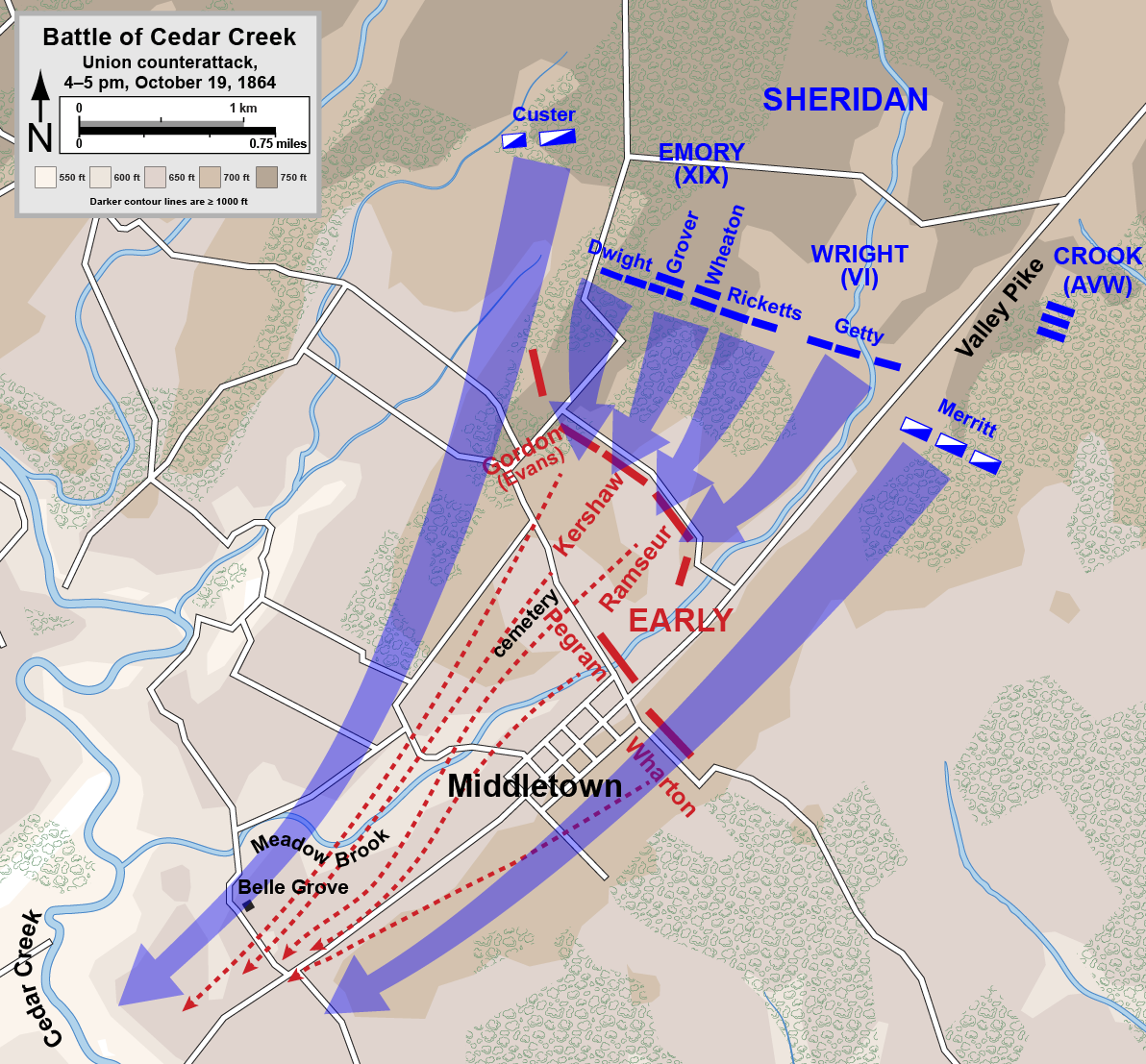

Core characteristics
Effective counterattacks share several recurring features. They are typically shorter and more focused than full offensives and are designed to strike where the attacker is weakest or least prepared. Common elements include:
- Surprise: attacking where or when the attacker expects defense, not resistance.
- Speed and momentum: rapid exploitation before the attacker consolidates gains.
- Concentration of force: committing a local advantage — troops, resources, or information — at a decisive point.
- Intelligence and reconnaissance: timely knowledge of the attacker’s disposition and intentions.
- Reserves and logistics: having forces or capacity held back to execute the riposte.
History and theoretical origins
Reactionary offensive measures have long been described in military writings. Classical strategists emphasized striking back when an enemy overextended or was disorganized. The notion of a bold, decisive counterstroke appears in classical Chinese military thought and other early sources; for example, the teachings attributed to Sun Tzu stress the advantage of striking when an opponent is unprepared. In modern usage the term also gained currency in simulated training and "war games" where planners practice transitions from defense to offense.
Applications and examples
Counterattacks appear across many domains. Representative examples include:
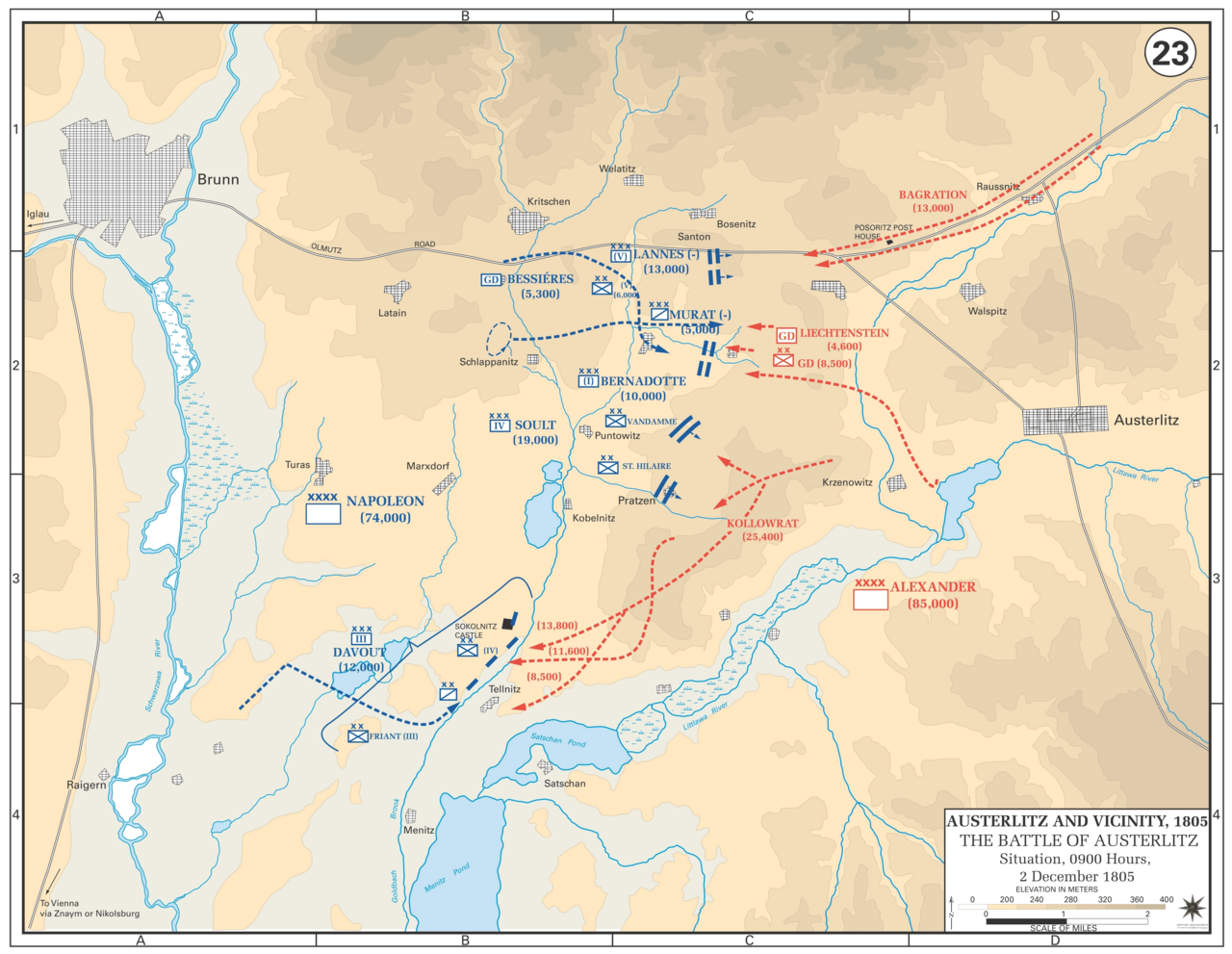
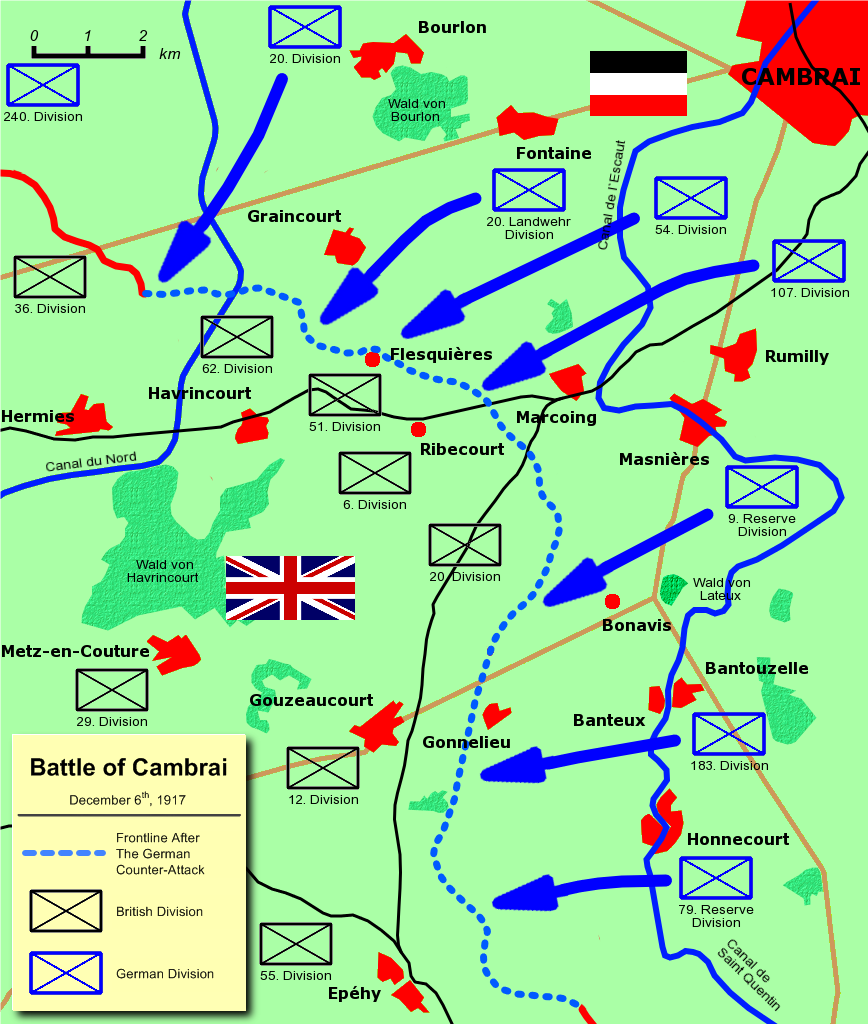
- Military: a mobile armored counterattack launched to roll back a breakthrough or isolate an enemy salient.
- Sports: a team absorbing pressure and then quickly transitioning to a scoring opportunity.
- Chess: a defensive position that becomes the springboard for an active initiative against the opponent’s king.
- Cybersecurity: an incident response that neutralizes an intrusion and reclaims control of compromised systems.
- Business: a firm under competitive pressure responding with a targeted product, pricing or marketing strike to regain market share.
Planning, execution and risks
Planning a counterattack requires an assessment of when an attacker is vulnerable and whether sufficient forces and information exist to act. Key considerations include timely detection of the enemy’s move (the attack), maintaining a secure reserve (organizing and logistics), and avoiding predictable patterns that the foe can anticipate. Poorly judged counterattacks may overcommit limited forces, create new vulnerabilities, or play into the attacker’s deception.
Notable distinctions and modern considerations
Counterattacks differ from larger counteroffensives in scale and intent: a counterattack is usually narrower, aiming to blunt or exploit a specific moment rather than to sustain a long campaign. They also differ from sorties, raids or ripostes by scope and context. In contemporary practice, modern technology — precision weapons, real-time surveillance, electronic warfare and cyber tools — changes how and where counterattacks can succeed. Legal, ethical and political factors now also shape decisions to counterattack, especially across state boundaries.
Scholars and practitioners often discuss the counterattack as part of a wider defensive doctrine: successful defense can depend as much on the ability to transition to an effective counterattack as on holding ground. For further reading on tactical concepts, doctrine and historical cases see resources listed by defense thinkers and historical collections; more general entries explain the concept as a tactical response to an enemy move and as a theme in classical texts where the Chinese and other military traditions contributed ideas attributed to ancient writers.
Questions and answers
Q: What is a counterattack?
A: A counterattack is a tactic used in response to an attack.
Q: Where did the modern term "counterattack" become popular?
A: The modern term "counterattack" became popular in "war games".
Q: What is the purpose of a counterattack?
A: The purpose of a counterattack is to neutralize or stop the advantage gained by an enemy during an attack, regain lost ground or destroy the attacking enemy.
Q: What are the three factors that make a counterattack effective?
A: The three factors that make a counterattack effective are surprise, speed, and doing what the enemy does not expect.
Q: When is the best time to launch a counterattack?
A: The best time to launch a counterattack is before an enemy has time to get organized and has not yet strengthened his new position.
Q: Who is the earliest writer who mentioned the advantages of a bold counterattack?
A: The earliest writer who mentioned the advantages of a bold counterattack is the Chinese general and strategist Sun Tzu (544 BC – 496 BC).
Q: What does a counterattack depend on?
A: A counterattack depends on surprise, speed, and doing what the enemy does not expect.
Related articles
Author
AlegsaOnline.com Counterattack: Definition, Principles, History, and Uses Leandro Alegsa
URL: https://en.alegsaonline.com/art/23479