
Counter‑sniping (anti‑sniper operations)
Counter‑sniping involves detecting, observing and neutralizing hostile snipers to protect military forces, law enforcement and civilians, using specialized teams, sensors and tactics.
Overview
Counter‑sniping is the practice of locating and defeating hostile snipers before they can harm friendly forces or civilians. It is used in both military settings and public‑safety operations. Units tasked with this work combine observation, intelligence and precise engagement to reduce the threat posed by a concealed marksman.
Image gallery
2 Images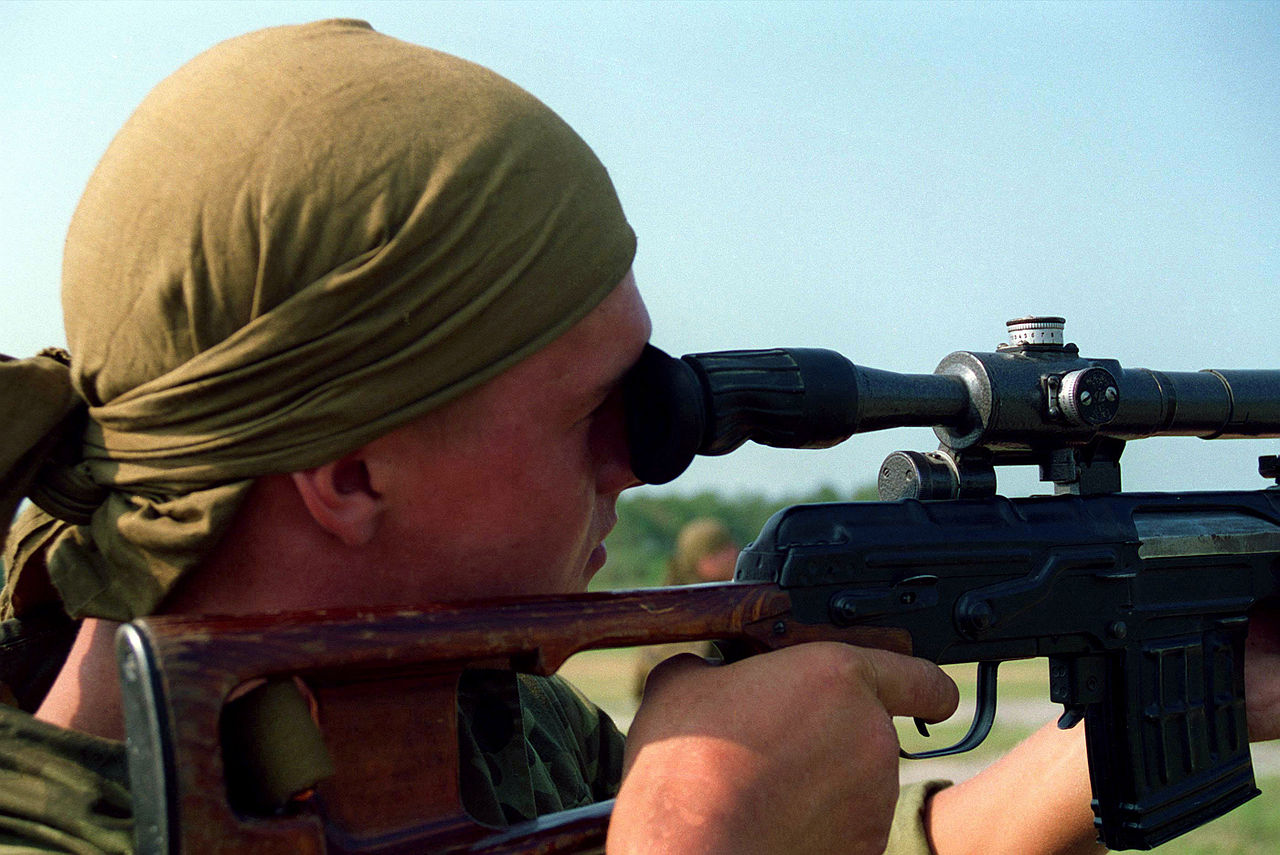

Equipment and personnel
Counter‑sniper teams usually consist of at least two trained specialists: an observer and a shooter, sometimes supported by spotters, reconnaissance elements or electronic sensors. Typical tools include:
- binoculars and spotting optics for long‑range observation
- telescopes and spotting scopes for magnified inspection
- sniper scopes and precision rifles for effecting a counter‑shot
- rangefinders, thermal imagers, acoustic sensors and telemetry to detect firing positions
Tactics and methods
Detection employs a mix of visual scanning, sound ranging, movement analysis and modern sensors. Once a probable position is identified, teams confirm it with observation and ballistic assessment. Typical responses range from suppressive fire and maneuver to a precision engagement by another marksman. Concealment, camouflage, counter‑observation posts and decoys are also used to deny effective firing positions to the adversary.
History and development
As firearms and optics improved, specialized anti‑sniper practices evolved in the 20th century. Conflicts with widespread use of sharpshooters led militaries to formalize techniques for detection and neutralization. Advances in electronics and imaging have progressively expanded non‑visual means of locating shooters.
Civilian and law enforcement use
Police and security services often employ counter‑sniper tactics to protect dignitaries, manage hostage incidents and secure large public events. In those contexts the emphasis is on minimizing collateral risk and following strict rules of engagement. When a threat is confirmed, a protected overwatch or precise neutralization may be authorized to preserve life.
Distinctions and notable points
Counter‑sniping differs from routine infantry fire by its focus on detection, intelligence and precision. It complements other protective measures such as fortifications, movement discipline and surveillance. Successful counter‑sniper work depends as much on patient observation and good judgment as on technical gear. For further doctrine and training references consult military or law enforcement manuals and technical sources such as army publications and specialist marksmanship literature. See also links for typical opponents and tools: enemy, sniper, and law enforcement contexts via police.
Related articles
Author
AlegsaOnline.com Counter‑sniping (anti‑sniper operations) Leandro Alegsa
URL: https://en.alegsaonline.com/art/23476