
Religious order: organized communities within spiritual traditions
A religious order is a community that lives according to a shared spiritual rule or charism. Orders appear in many faiths and may emphasize prayer, service, learning, or asceticism.
Overview
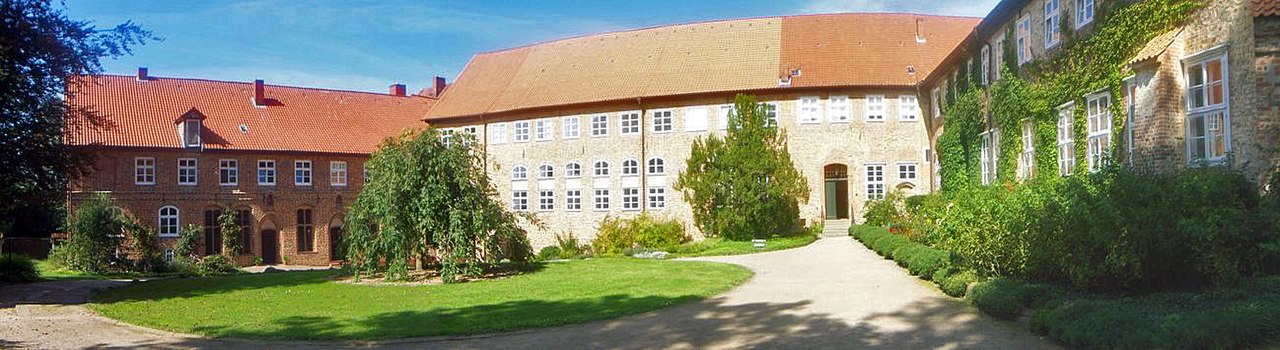
A religious order is a structured community whose members live under an agreed set of spiritual practices and moral commitments that set them apart from ordinary social life. Such communities usually develop a distinct identity around a founder, a rule or charter, and a particular religious devotion or mission. Membership can include people who are ordained and those who remain lay, and many orders maintain dedicated houses such as monasteries, convents, or centers of practice (monasteries).
Image gallery
4 Images


Characteristics and organization
Religious orders vary widely but share common features: a rule or constitution, communal life, regular rituals, and often lifelong commitments or vows. Typical vows found across many orders include:
- Poverty — renouncing personal ownership or living simply.
- Chastity — sexual abstinence or celibacy for those in clerical roles.
- Obedience — submission to community governance and the order's rule.
Administration is usually hierarchical, with elected or appointed superiors who oversee formation, discipline, and community affairs. Some orders admit initiates who live in the world while sharing an order's spirituality; others include ordained members or clergy (ordained clergy) who perform sacramental or liturgical duties.
History and development
Forms of ordered communal religious life have appeared in many traditions. Buddhist monastic communities (the sangha) and Christian monasticism developed early patterns of communal living and study, and later movements produced mendicant, contemplative, and clerical orders. Over time, new orders formed to address changing needs—education, healthcare, missionary work, or social reform—adapting their structures and ministries while retaining distinctive spiritual emphases.
Activities and importance
Orders have played key roles in cultural and social life. They preserve religious texts and scholarship, found and run schools and hospitals, offer pastoral care and social services, and sustain practices of prayer and contemplation. Some are primarily contemplative, focusing on communal worship and solitude; others are active, engaging directly in teaching, charity, or advocacy.
Variations and notable distinctions
Religious orders differ by tradition and legal status. In Christianity, for example, distinctions exist between monastic orders, mendicant orders, and religious congregations. In other faiths, comparable institutions include Buddhist monastic orders, Sufi tariqas in Islam, and renunciate lineages in Hinduism and Jainism. Many orders accept lay associates who share the community's spirituality without taking full vows. The precise rules, habits, and daily rhythms depend on each order's historical origins and chosen charism.
Because orders evolve in response to social needs and spiritual renewal, they remain a diverse and enduring feature of religious life across cultures and epochs.
Questions and answers
Q: What is a religious order?
A: A religious order is a group of people who live in a way set apart from others, in accordance with their specific religious devotion.
Q: What are the principles of a religious order usually created from?
A: The principles of a religious order are usually created from their founder's religious practice.
Q: Who can be part of a religious order?
A: Initiates, or laypeople, and in some traditions, ordained clergy can be part of a religious order.
Q: Do religious orders exist in only one religion?
A: No, religious orders exist in many of the world's religions.
Q: What is the purpose of the religious orders?
A: The purpose of religious orders is to live in a way that is devoted to their specific religious beliefs.
Q: What do many orders operate?
A: Many orders operate monasteries.
Q: What sets a religious order apart from others?
A: A religious order is set apart from others by their specific religious devotion and principles.
Related articles
Author
AlegsaOnline.com Religious order: organized communities within spiritual traditions Leandro Alegsa
URL: https://en.alegsaonline.com/art/82039