
Transubstantiation
Transubstantiation is the Christian doctrine that, in the Eucharist, the bread and wine become the real presence of Christ while their sensory properties remain unchanged.
Overview
Transubstantiation is the theological doctrine that, in the celebration of the Eucharist, the bread and wine are changed into the actual body and blood of Christ while retaining the appearances of bread and wine. It is formulated as a dogma in the Catholic Church and is central to Catholic sacramental theology. Believers hold that, after a duly ordained priest pronounces the words of consecration in the Mass, a real change takes place: what becomes the body and blood is understood to be the person of Jesus, who Christians confess as the son of God.
Image gallery
9 Images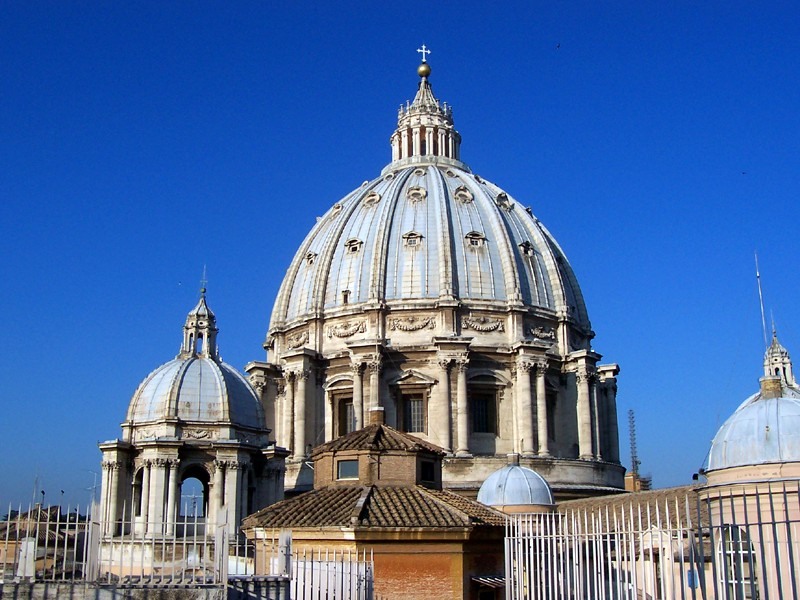


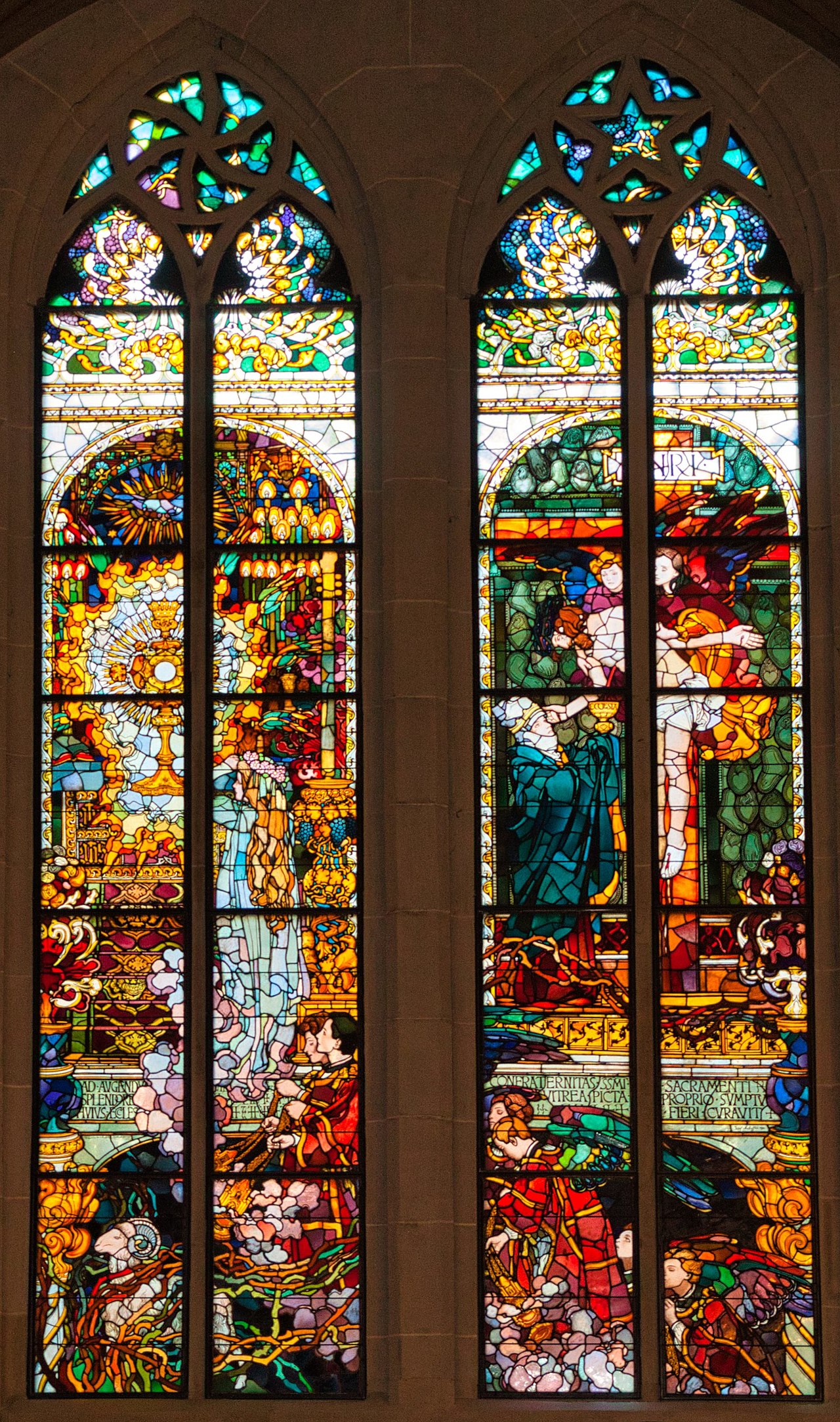


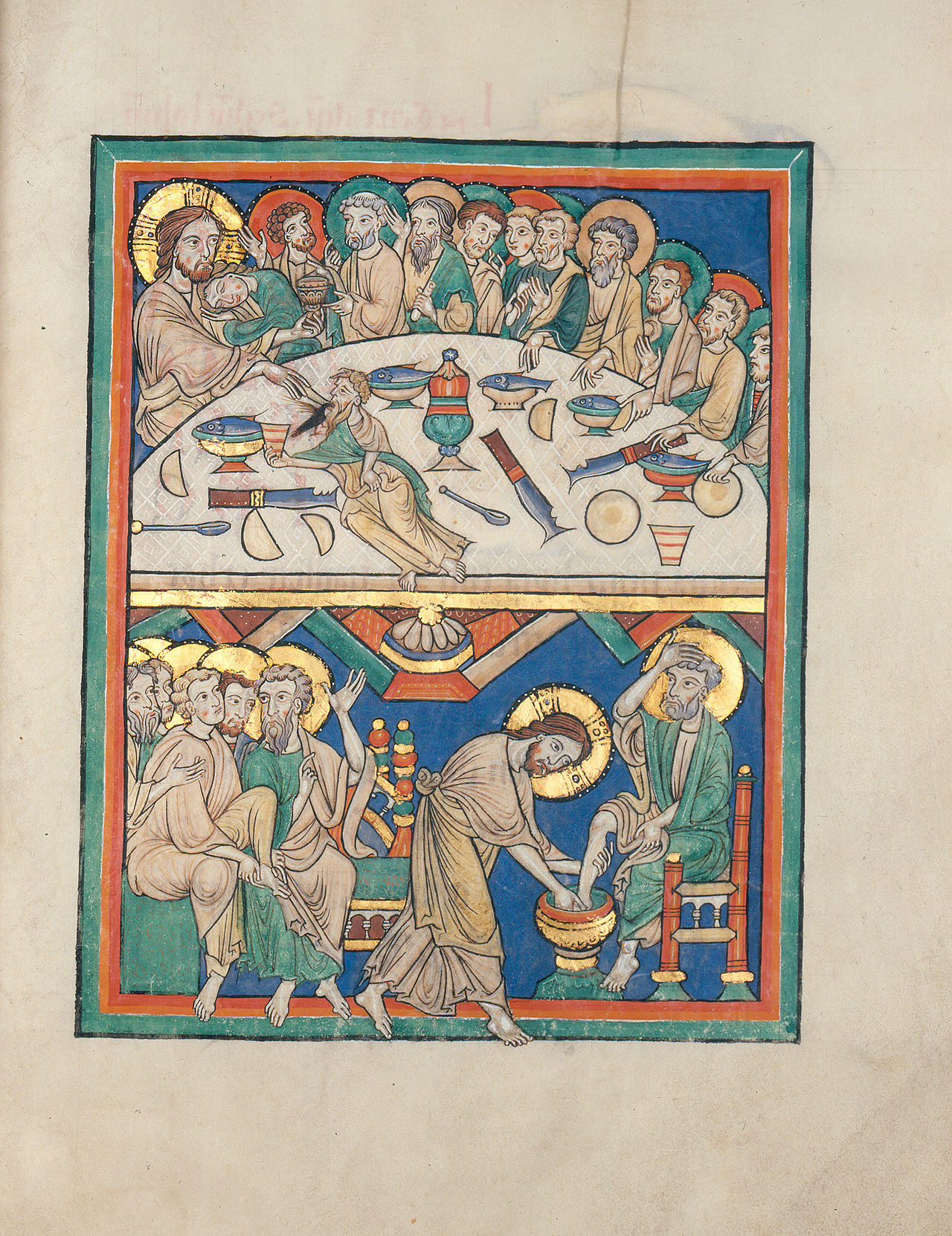
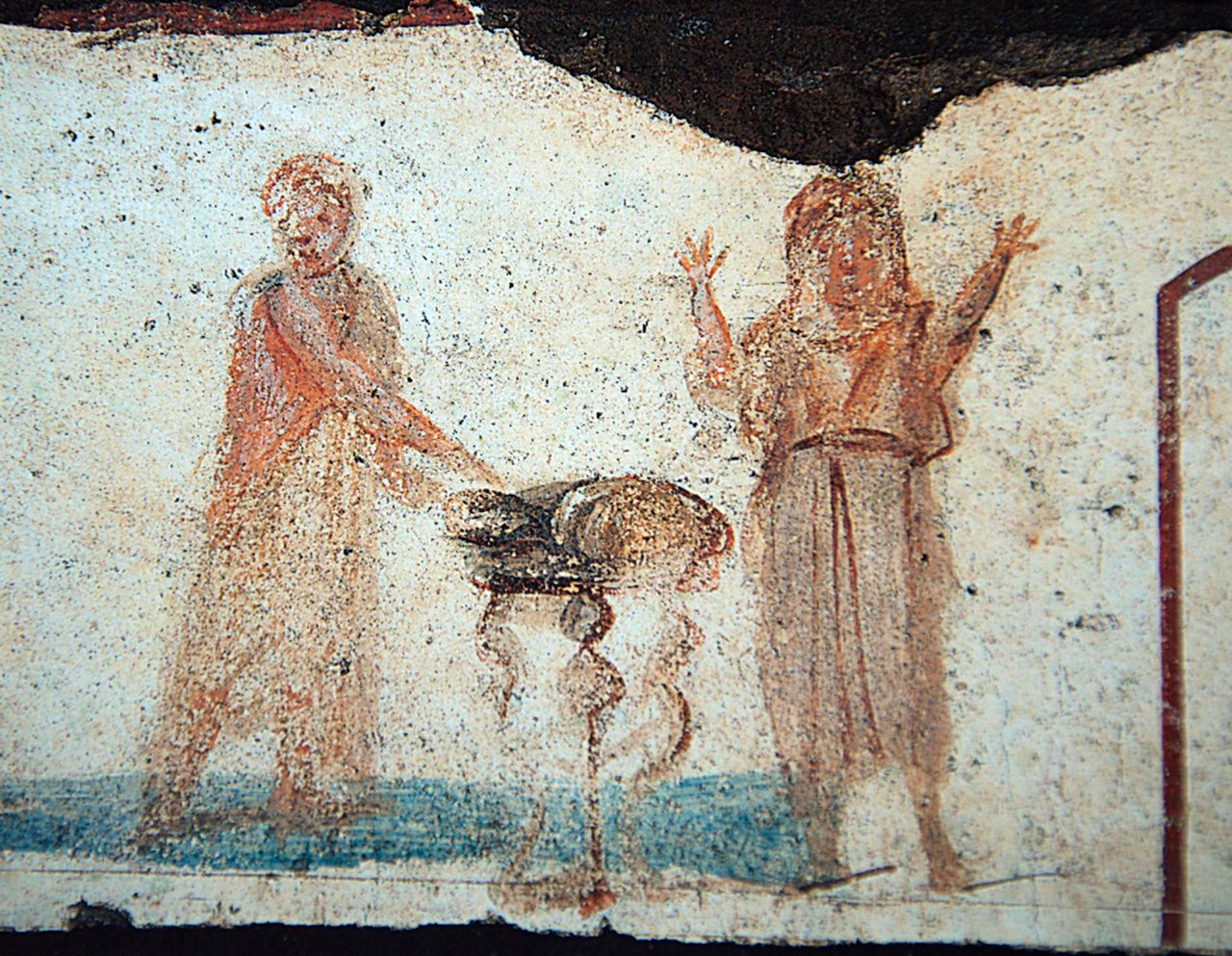

Theological basis and terminology
The doctrine employs philosophical distinctions inherited from classical metaphysics: the "substance" of the elements is said to change while their "accidents" (appearance, taste, smell, and texture) remain. Medieval theologians, especially Thomas Aquinas, used Aristotelian categories to explain how a substantial change can occur without any perceptible alteration in sensory qualities. Catholic teaching describes this as a unique, sacramental action rather than a natural chemical transformation.
History and councils
The idea of Christ's real presence in the Eucharist has early Christian roots and was articulated in various ways through the patristic period. Scholastic theology in the High Middle Ages refined the phrase transubstantiation, and it was formalized in councils such as the Fourth Lateran Council (1215) and reiterated at the Council of Trent (16th century) in response to Protestant challenges.
Variations, comparisons and controversies
- Roman Catholicism: affirms transubstantiation as a defined doctrine.
- Eastern Orthodoxy: affirms a real change in the Eucharist but often avoids the scholastic term, preferring expressions like "mystery" or sometimes "metousiosis."
- Protestant traditions: views vary from Lutheran "sacramental union" to Reformed symbolic or spiritual presence and to memorialist positions that see the bread and wine as reminders rather than a change of substance.
Liturgical practice and significance
For believers who accept transubstantiation, the Eucharist is both sacrament and sacrifice: the consecrated elements are treated with reverence, reserved in tabernacles, and sometimes adored outside Mass. The doctrine shapes devotional practices, pastoral discipline, and ecumenical dialogue. Debates about language, philosophy, and scriptural interpretation have been important in Christian history and remain active in ecumenical conversations.
Further reading
For summaries and primary texts about this doctrine and its reception across traditions see Christian theological overviews and authoritative church documents. Additional background and historical decisions can be found through church councils and doctrinal statements referenced by scholars and official sources: body, blood, and pastoral explanations at Jesus-centered liturgical guides. For institutional positions consult the statements of the Catholic Church and comparative writings linked by academic resources: son, God, and the ministry of the priest described in liturgical texts.
Related articles
Author
AlegsaOnline.com Transubstantiation Leandro Alegsa
URL: https://en.alegsaonline.com/art/101207