
Cotton gin — machine for separating cotton fibers from seeds
A cotton gin is a machine that separates cotton fibers from seeds. It transformed cotton processing, increased textile raw material supply, and had major economic and social consequences, especially in the U.S. South.
Overview
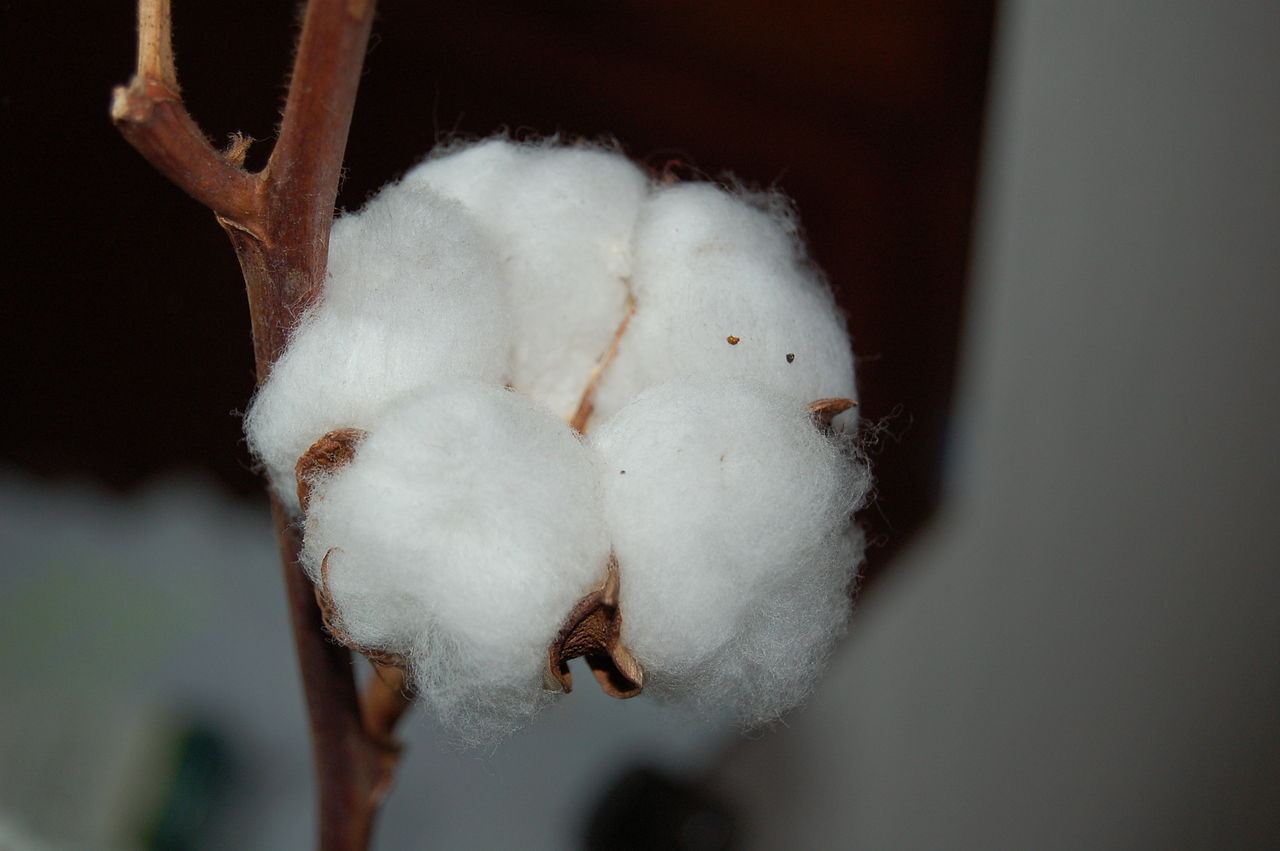
The cotton gin is a mechanical device designed to separate cotton fibers from their seeds and other debris. By automating a task that had formerly been done by hand, the machine greatly reduced the time and effort required to clean raw cotton and made large-scale cotton processing commercially feasible. The name is short for "cotton engine." For a general technical summary see machine overview, and for more on the raw material processed by gins see cotton fibers.
Image gallery
10 Images





Design and operation
Ginning separates lint from seed and removes trash and plant matter. Two principal types are historically important: the saw gin and the roller gin. A saw gin uses a series of circular saws or teeth to pull fibers through narrow slots that are too small for seeds to pass, while a roller gin uses rollers and brushes to draw out fibers and eject seeds. Modern commercial gins combine feeding, cleaning, drying and grading stages to protect fiber quality and reduce contamination. Key components include a feeder, the separating mechanism, a seed discharge system and devices to collect and bale the cleaned lint.
Origins and development
The design most often associated with the industrialized cotton gin was developed and demonstrated in the early 1790s by the American inventor Eli Whitney. Whitney’s machine made separation faster and less laborious, although ginning methods and simpler devices had existed earlier in other parts of the world. The introduction of mechanized gins stimulated further engineering improvements and a variety of regional adaptations to handle different cotton types.
Economic and social effects
By lowering the labor cost of cleaning cotton, the gin helped expand the supply of raw fiber for textile mills and encouraged growth in cotton cultivation. In the United States, the spread of gins contributed to a major expansion of cotton production in the American South, and that agricultural expansion had deep social and economic consequences. Historically, scholars note that the cotton gin increased the profitability of cotton and thus affected land use, markets, and labor systems; it was a factor in the intensified demand for enslaved labor on cotton plantations, even as broader political and economic forces also shaped those outcomes.
Patent disputes and legacy
Whitney’s claim to sole credit and his legal battles over patents are well known and illustrate early American debates about invention, intellectual property and commercialization. For more on legal controversies and subsequent improvements see discussions of patent history. The cotton gin remains a symbol of industrial innovation and a reminder that technological change can have far-reaching and sometimes unintended social effects.
Modern ginning and considerations
Today ginning is part of an integrated supply chain that emphasizes fiber quality, efficiency and environmental and occupational safety. Modern facilities use mechanization, quality control and sometimes automation to reduce contamination and preserve staple length. Issues of sustainability, land use, and labor practices continue to be associated with cotton production overall, so technical developments in ginning interact with economic, social and environmental concerns.
Related articles
Author
AlegsaOnline.com Cotton gin — machine for separating cotton fibers from seeds Leandro Alegsa
URL: https://en.alegsaonline.com/art/23377
Sources
- eliwhitney.org : "Eli Whitney and the Need for an Invention"