
Crosshair (reticle)
A crosshair or reticle is a visual aiming marker used in optical instruments and digital displays, appearing as intersecting lines, dots or patterns to indicate aim point, assist range estimation and guide interaction.
Overview
A crosshair, often called a reticle in optical contexts, is a visual marker that indicates an instrument's line of sight or anticipated point of impact. It commonly appears as intersecting lines, a central dot, a circle, or a combination of these elements. Crosshairs give users a reference for aiming, aligning optics, estimating distance, and compensating for environmental factors.
Image gallery
8 Images


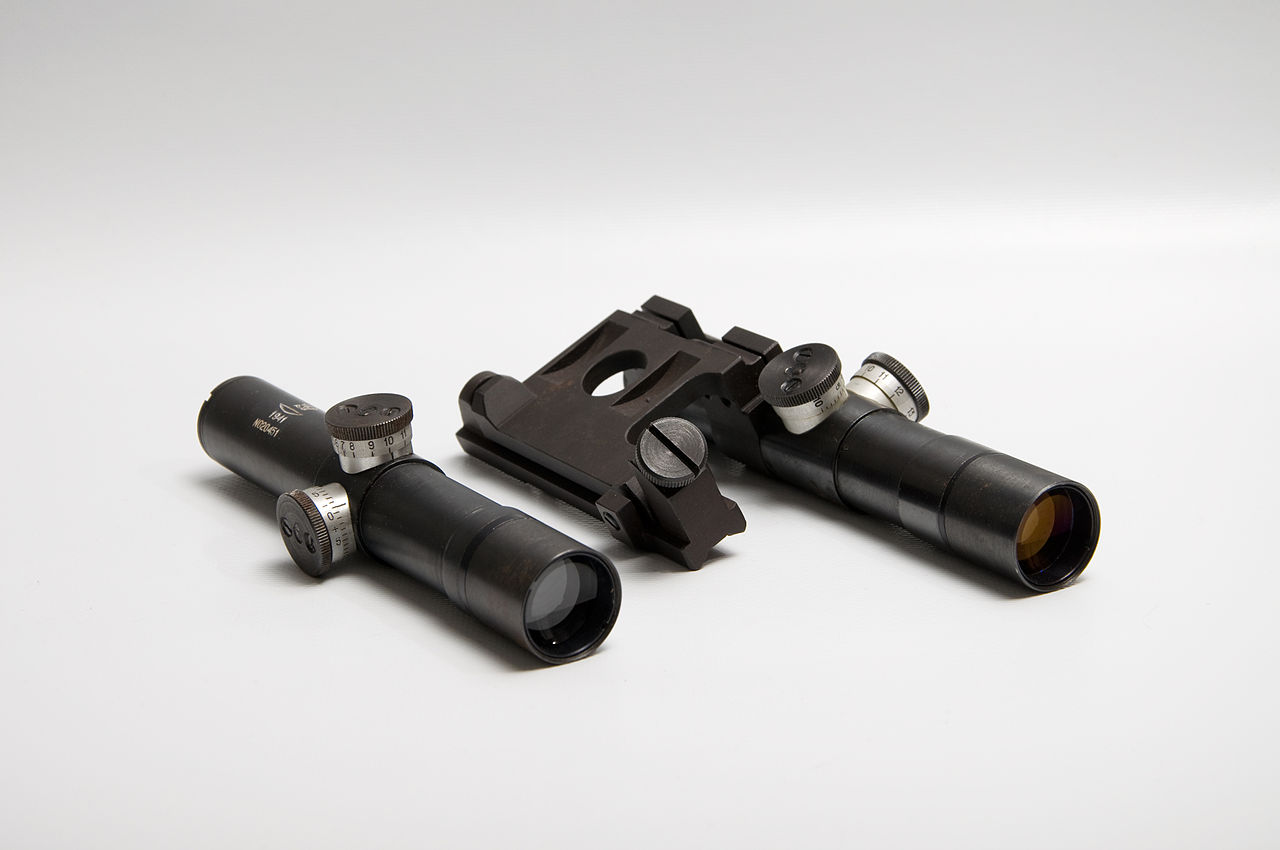
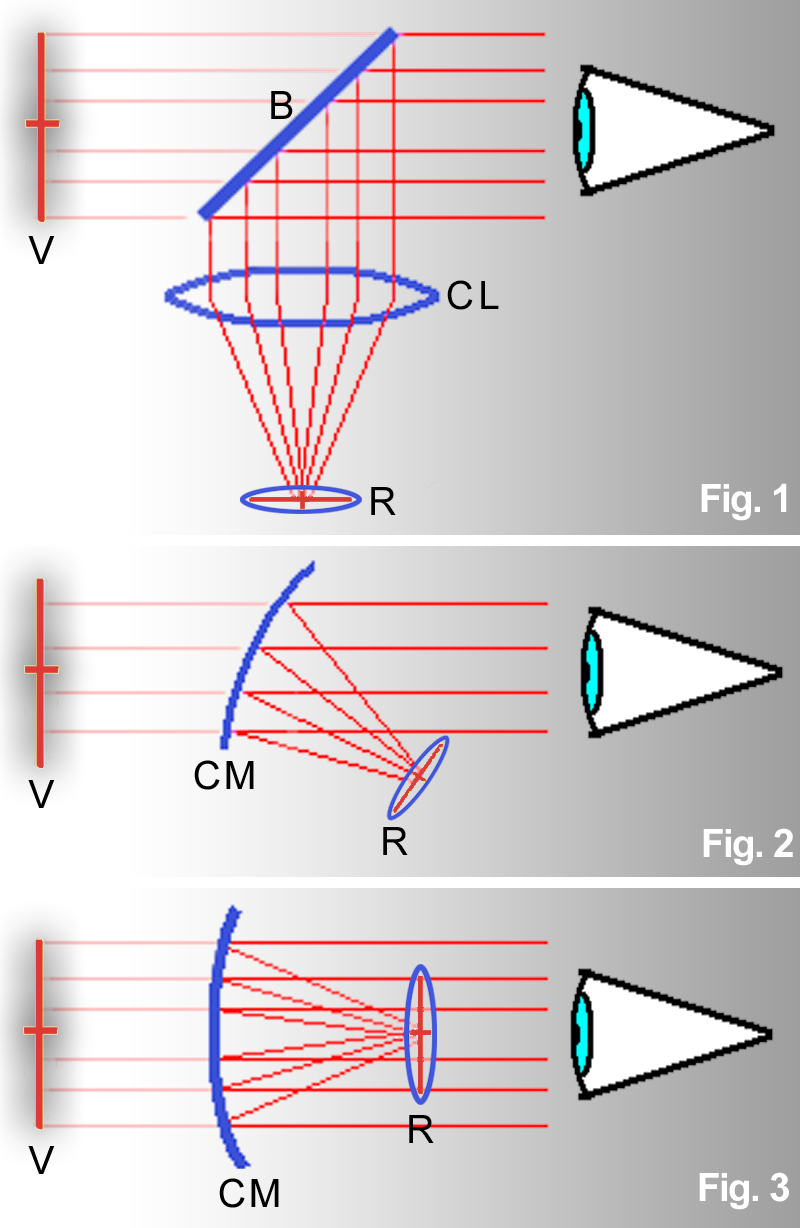

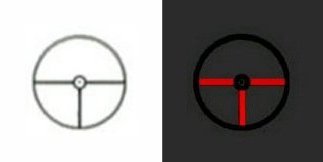
Design and types
Reticle patterns vary widely: simple thin crosses, duplex patterns, mil-dot grids, bullet-drop-compensator (BDC) marks, circle-dots, chevrons and illuminated designs. Historically reticles were formed from fine hairs or spider silk; modern sights use etched or laser-engraved glass and electronic overlays. Digital crosshairs on displays can be static or dynamic, changing with movement, recoil or zoom.
History
The name "crosshair" originates from early optical sights that used fine hairs stretched across a frame. As telescopic sights matured in the 19th and 20th centuries, reticles evolved to more durable and precise methods, including glass etching and illumination. Ballistic features and standardized angular measurements (like mils) were added as optics and firearms advanced.
Uses and examples
Crosshairs are used in riflescopes, spotting scopes, microscopes, cameras, surveying instruments and heads-up displays. In software and entertainment, they mark aim or interaction points: many first-person shooter mechanics rely on a visible, often customizable crosshair, and other video games use similar cursors to show targeting or selectable objects.
Distinctions and technical notes
In technical usage, "reticle" is preferred for optical devices, while "crosshair" is common in gaming and colloquial speech. Key concepts include windage and elevation adjustments, parallax correction, subtension (angular spacing such as mils or MOA) and illumination—features that affect accuracy, range estimation and target acquisition.
Practical considerations
Choosing a crosshair involves trade-offs: a thin reticle improves precision but may be hard to see, while bold or illuminated patterns enhance visibility at the cost of obscuring small targets. In digital systems, players and operators often customize color, size, gap and dynamic behavior to match lighting, target size and personal preference.
Related articles
Author
AlegsaOnline.com Crosshair (reticle) Leandro Alegsa
URL: https://en.alegsaonline.com/art/24345