
Coscoroba swan (Coscoroba coscoroba)
A compact white swan native to southern South America, notable for its intermediate traits between true swans, geese and ducks and close genetic affinity with the Cape Barren goose.
The coscoroba swan (Coscoroba coscoroba) is a compact, primarily white waterbird native to southern South America. It resembles true swans in general appearance but differs in proportions and behavior, and its precise placement within the duck-goose-swan group (Anatidae) has been debated. The species is often treated as the sole member of the genus Coscoroba and is commonly regarded as the smallest living swan.
Image gallery
10 Images


Taxonomy and relationships
Historically the coscoroba swan was seen as a distinctive swan lineage; some taxonomists have alternatively grouped it closer to certain ducks such as the whistling ducks. Modern genetic studies indicate a close relationship between the coscoroba swan and the Cape Barren goose (Cereopsis novaehollandiae), identifying them as sister groups. This finding reshapes understanding of how swans, geese and some duck-like birds are related within Anatidae.
Description and identifying features
- Plumage: predominantly white, giving a swan-like appearance at a glance.
- Body and neck: shorter neck and more compact body than typical large swans; this contributes to a more goose- or duck-like silhouette.
- Bill and legs: bill is often pinkish to pale, legs dark; exact coloration can vary across individuals and populations.
- Size and voice: smallest of the swans; voice and behavior show a mix of swan- and duck-like traits.
Range and habitat
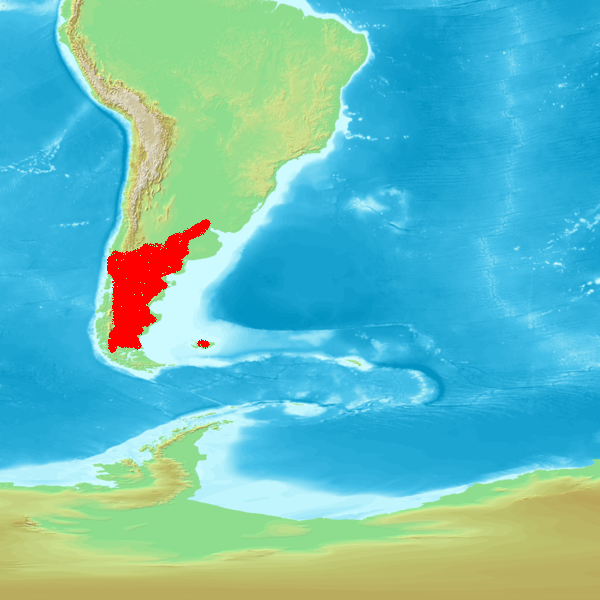
The coscoroba swan inhabits temperate and subantarctic regions of southern South America. Its range extends across parts of South America, including populations in southern Chile and central Argentina, and reaches southward to Tierra del Fuego and the Falkland Islands. It occupies freshwater wetlands, coastal lagoons and grassy marshes, and undertakes local movements or seasonal dispersal in response to weather and food availability.
Behavior, diet and reproduction
Coscoroba swans are largely herbivorous, feeding chiefly on aquatic vegetation and grasses, though they may take small invertebrates opportunistically. They nest on the ground near water, using vegetation to form a raised platform where eggs are incubated and young are reared. Parental care is important during the early life stages; both adults typically contribute to guarding and leading the young to feeding areas.
Conservation and notable facts
The species is relatively widespread within its southern range and is not generally considered globally threatened; local populations may face pressures from habitat alteration, disturbance and introduced predators. Ornithologists find the coscoroba swan interesting because it blurs conventional categories—appearing swan-like while showing affinities with geese and ducks—and because of its documented genetic sister relationship with the Cape Barren goose (genetic study).
For further regional information and conservation status consult specialist sources and regional checklists, which provide up-to-date data on distribution and population trends in specific areas such as southern Chile and Argentina.
Related articles
Author
AlegsaOnline.com Coscoroba swan (Coscoroba coscoroba) Leandro Alegsa
URL: https://en.alegsaonline.com/art/23290
Sources
- onlinelibrary.wiley.com : Chromosomal studies on Coscoroba coscoroba (Aves: Anseriformes) reinforce the Coscoroba–Cereopsis clade