
Corn starch (cornflour): production, properties, uses and distinctions
Corn starch, also called cornflour or maize starch, is the refined starch from corn used as a food thickener, ingredient in sugars and snacks, and in many industrial applications.
Overview
Corn starch (often written as cornstarch or called cornflour or maize starch) is the nearly pure starch extracted from the kernel of maize. It appears as a fine, white, tasteless powder and is prized for its ability to thicken liquids and create smooth textures in foods. The word starch is sometimes used in general starch contexts, while the raw material is the corn grain itself.
Image gallery
4 Images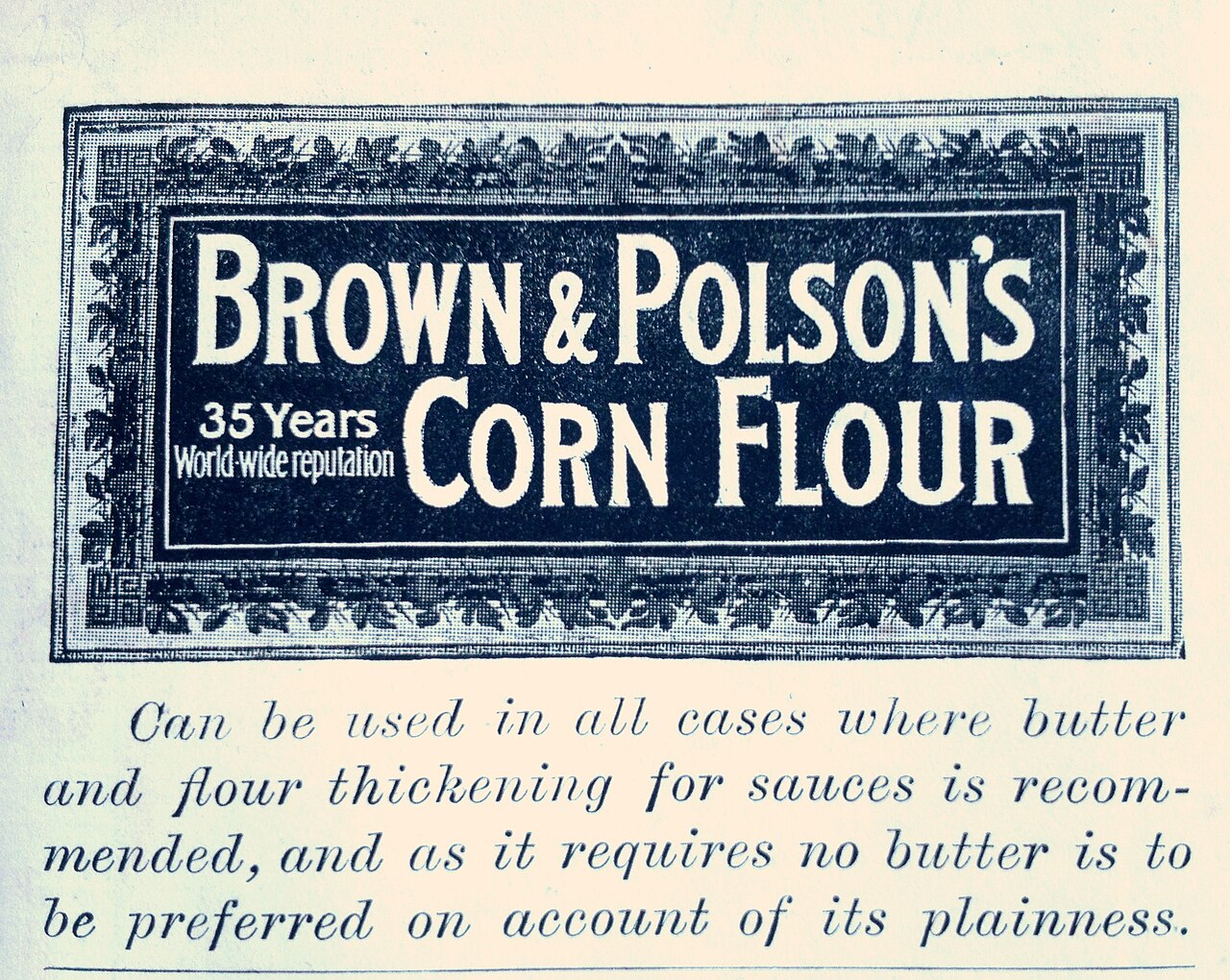


Production and physical properties
Commercial corn starch is produced by wet milling: kernels are soaked, crushed to separate components (germ, fiber, protein) and washed to isolate the starch granules. These granules are dried into the familiar powder. Corn starch gelatinizes when heated with water, forming a translucent paste that thickens at relatively low temperatures. It is essentially gluten-free and contains little protein or fiber compared with whole-grain flours.
Common culinary and household uses
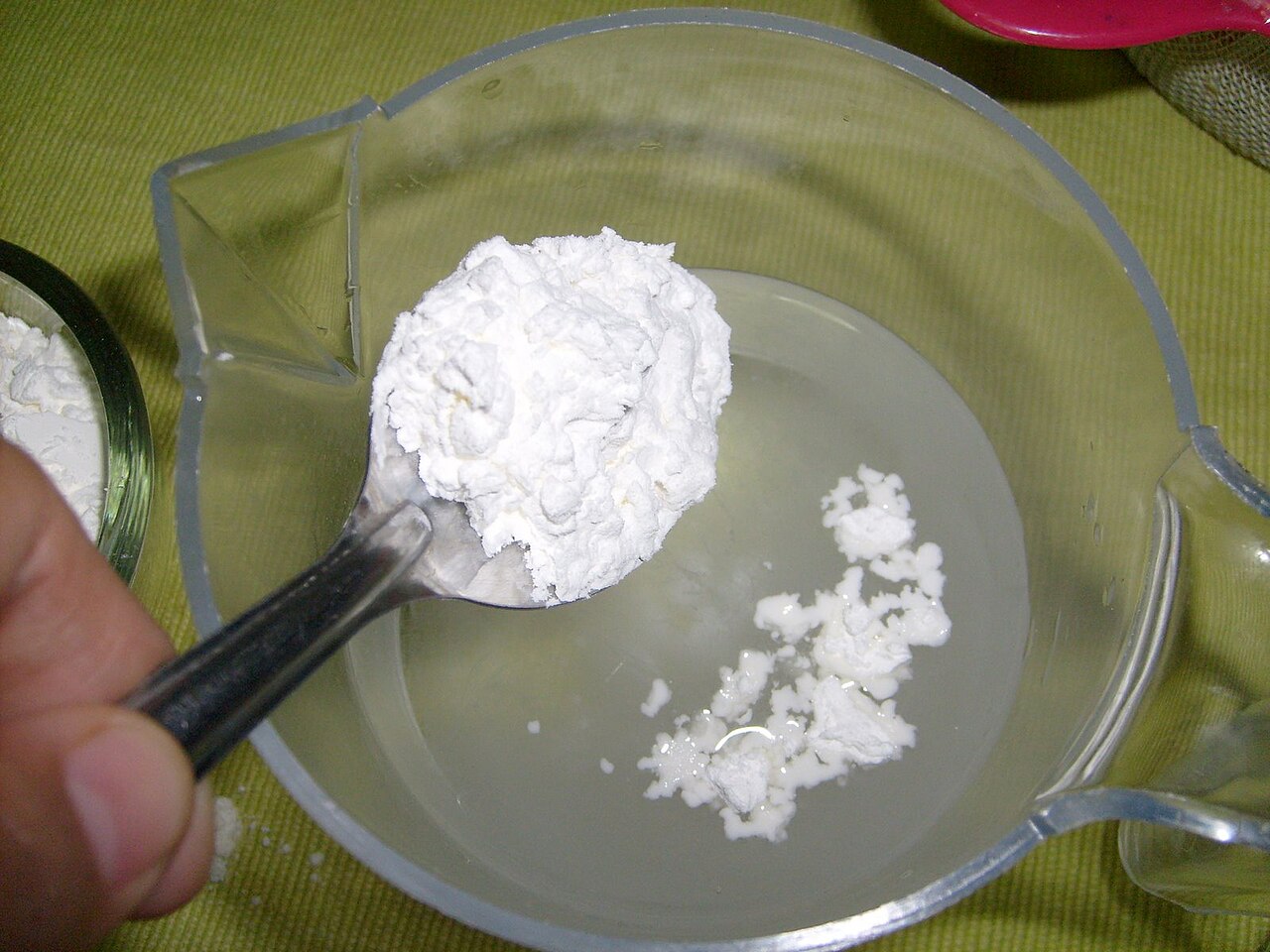
In the kitchen, corn starch is widely used for thickening sauces, gravies, custards and pie fillings because it produces a glossy, smooth finish and a neutral taste. It is often mixed with a little cold water to make a slurry before being added to hot liquids to prevent clumping. Bakers use it to tenderize pastry, lighten batters, or produce crisp coatings for fried foods. At home it also serves as a mild absorbent and can substitute for talc in some nonfood applications.
- Thickening soups, sauces and pie fillings
- Glossy glazes and clear gels in desserts
- Coatings and crisping agents for frying
- Household uses such as fabric starch or as an absorbent
Industrial uses and processing into sugars
Corn starch is also a primary feedstock in the manufacture of sweeteners: enzymatic hydrolysis converts starch into glucose syrups and, after further processing, a variety of sweeteners including corn syrup and other refined sugars. Beyond food, it finds use in papermaking, adhesives, textiles, biodegradable materials and some pharmaceutical formulations, where its binding and film-forming properties are useful.
Distinctions, substitutions and practical notes
Terminology varies by region: in many English-speaking countries the term "cornflour" is synonymous with cornstarch, while in others "corn flour" may refer to a finer whole-grain maize flour. Compared with wheat flour, corn starch is pure starch and therefore more effective at thickening; a common rule of thumb is that about half the volume of cornstarch is needed to thicken as much as wheat flour. It should be cooked briefly to reach full thickening power and to remove any raw flavor. Although naturally gluten-free, cross-contamination is possible in some supply chains, so people with severe gluten sensitivity should choose certified products.
History and notable facts
Corn starch has been a staple processing product wherever maize is cultivated. Over time it became integral both to traditional cooking techniques and to industrial food processing. Brand names and regional names vary, but its functional role as a neutral, high-performing starch remains consistent: from thickening a gravy to forming the base of many modern sweeteners, corn starch is a versatile and widely used ingredient.
See also: basics of starch chemistry and comparisons with other starches and flours for specific culinary or industrial needs.
Related articles
Author
AlegsaOnline.com Corn starch (cornflour): production, properties, uses and distinctions Leandro Alegsa
URL: https://en.alegsaonline.com/art/23122
Sources
- merriam-webster.com : "Definition of CORNSTARCH"
- everything2.com : "Corn starch"