
Corn flakes: history, production, nutrition and uses
Corn flakes are a toasted flake cereal made from milled corn, commonly eaten with milk; this article covers origins, how they are made, nutritional notes, common uses, and varieties.
Overview
Corn flakes are a dry breakfast cereal formed from milled and cooked corn that has been rolled, flattened and toasted into thin, crispy flakes. They are most often eaten with cold or hot milk and sometimes served with fruit or yogurt; for example, a bowl of corn flakes with milk remains one of the simplest, widely recognized breakfast combinations (milk). Commercial products are frequently fortified with additional nutrients.
Image gallery
10 Images


Origins and development
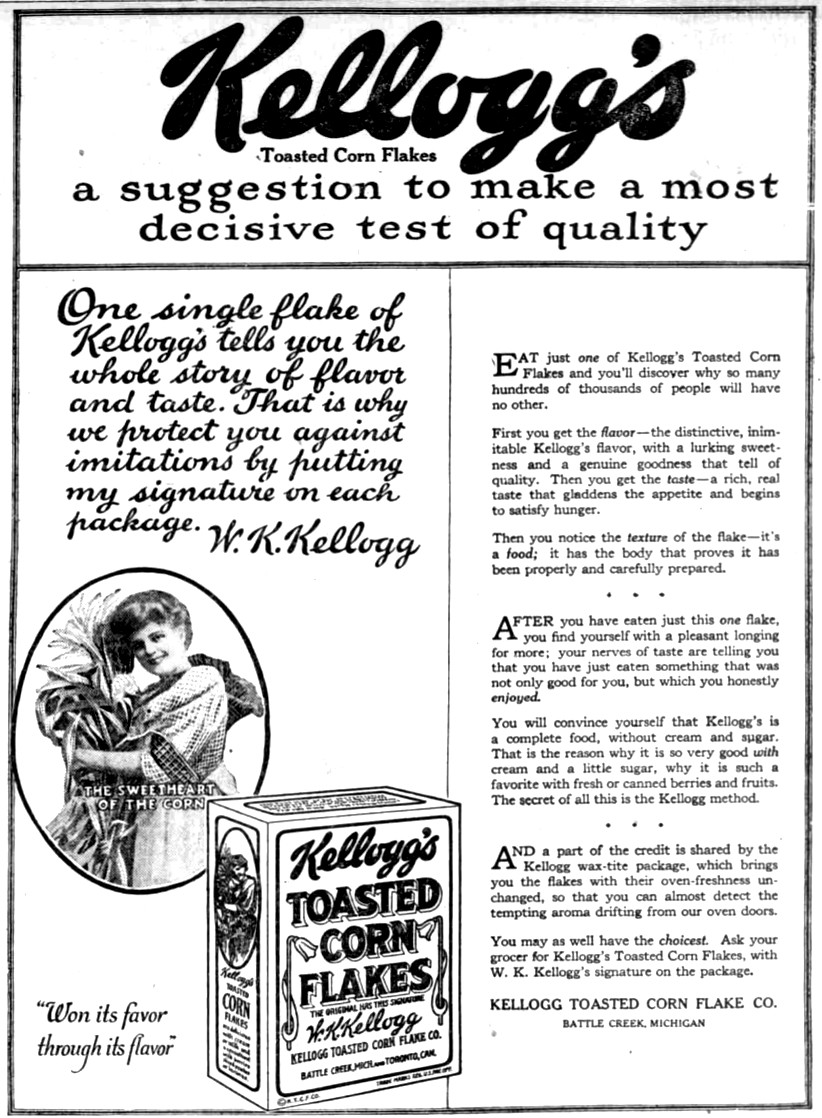
The product was developed in the United States in the late 19th century by health-oriented food pioneers working in a sanitarium setting. Recipes and processing methods evolved quickly after the initial invention, and the cereal became a mass-market product in the early 20th century as commercial producers expanded production and distribution.
How corn flakes are made
Typical commercial production follows a few basic stages:
- Cleaning and milling of whole grain corn.
- Cooking the corn into a moist dough with ingredients that may include sweeteners like sugar, salt and water.
- Sheeting or rolling the dough into thin flakes and toasting them until crisp.
- Cooling, sorting and often fortifying with vitamins and minerals (vitamins and minerals). Packaging follows to preserve crunch.
Nutrition, uses and culinary notes
Corn flakes are predominantly a source of digestible carbohydrates. Many commercial varieties are fortified with micronutrients, but plain corn flakes are not equivalent to whole-grain cereals unless specifically labeled. They are commonly used as a breakfast cereal, a topping for desserts or casseroles, and as a crunchy coating for fried foods or baked items. Consumers watch for added sugars and salt; there are low-sugar and whole-grain alternatives available.
Varieties and notable facts
Manufacturers offer plain, sweetened, and flavored corn flakes, as well as gluten-free labeled products where cross-contamination controls are applied. Corn flakes are distinct from other flake cereals by their primary ingredient (corn rather than wheat or bran) and their characteristic texture. While often marketed as a convenient, ready-to-eat breakfast, they are a processed food and are best appreciated as part of a balanced diet.
Examples of everyday use
- A simple breakfast: corn flakes with milk and sliced banana.
- Snack or dessert topping: sprinkle over yogurt or ice cream for crunch.
- Recipe ingredient: crushed corn flakes used as a breading for chicken or a base in no-bake bars.
Related articles
Author
AlegsaOnline.com Corn flakes: history, production, nutrition and uses Leandro Alegsa
URL: https://en.alegsaonline.com/art/23115