
Albertus Magnus: Medieval Scholar, Scientist, and Theologian
Albertus Magnus (c.1200–1280) was a German Dominican friar, bishop and scholar whose commentaries on Aristotle and studies of nature shaped medieval science and theology.
Overview
Albertus Magnus, commonly called Albert the Great, was a leading medieval intellectual who combined rigorous study of nature with systematic theology. Born in southern Germany around the turn of the 13th century, he joined the Dominican order and became celebrated for his broad learning across philosophy, natural history and theology. His work sought to reconcile reason and faith by placing the investigation of the natural world within a Christian intellectual framework.
Image gallery
10 Images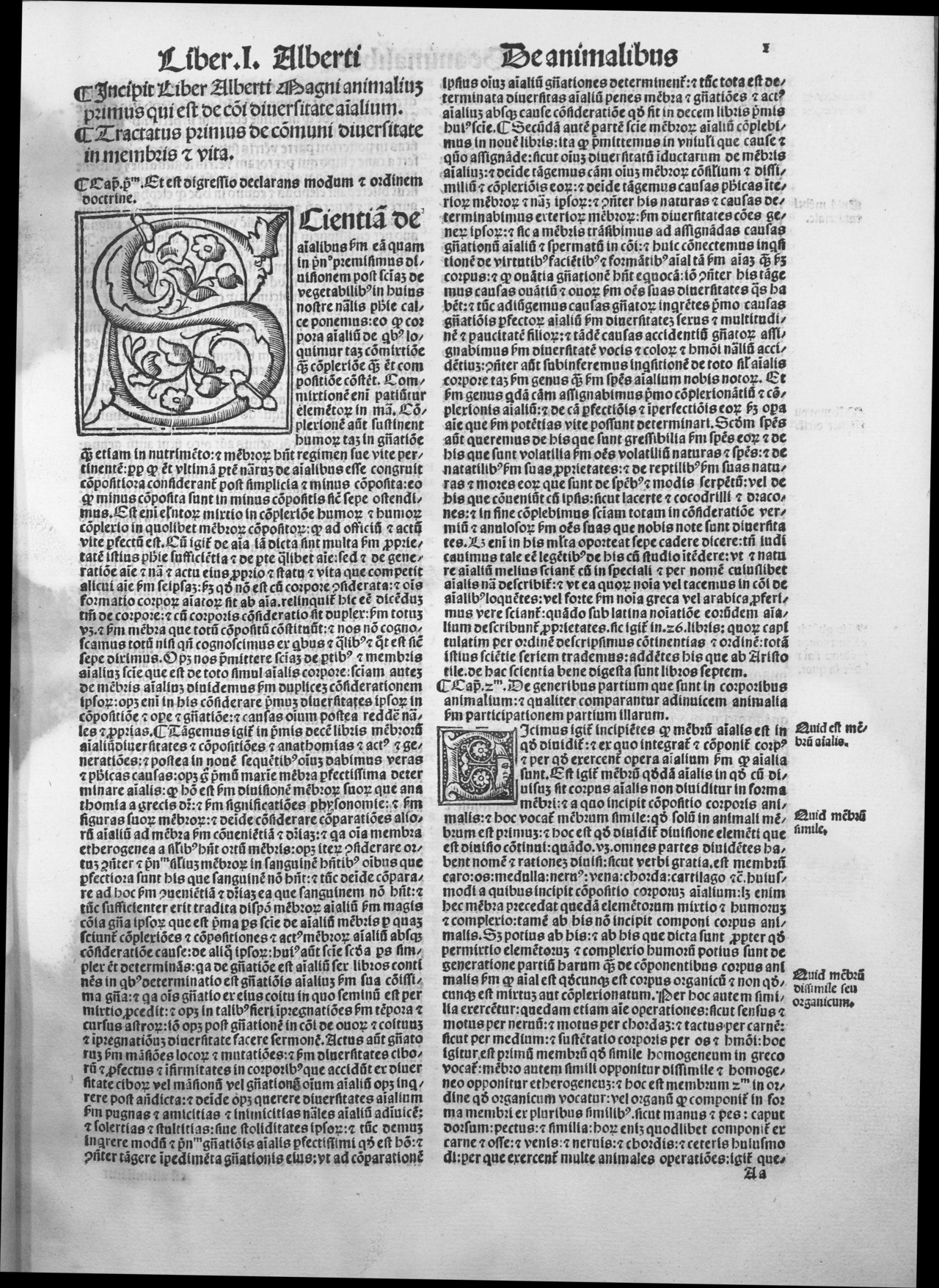






Life and career
Albertus trained at several Italian and French centers of learning and later taught in Paris and Cologne, where he established a school that attracted students from across Europe. He served in ecclesiastical office and continued to write and teach throughout his life. He played a formative role in the Dominican intellectual tradition and is often remembered as a teacher and influence on younger scholars within the mendicant orders.
Writings and intellectual contributions
Albertus produced extensive commentaries on Aristotle and authored numerous treatises on natural philosophy. Rather than rejecting classical learning, he sought to adapt Aristotelian ideas to Christian doctrine, treating philosophy as a handmaid to theology. His writings cover topics such as mineralogy, botany, zoology, cosmology, alchemical processes and the principles of living organisms. He emphasized close observation of nature and collected empirical reports, balancing metaphysical analysis with attention to concrete facts.
Approach to science and theology
One of Albertus's enduring legacies is his method: he advocated that the study of nature could illuminate divine order without undermining religious belief. He argued that truths discovered by reason and experience cannot contradict revealed truth, and he encouraged scholars to use philosophical tools to clarify theological questions. This conciliatory stance helped medieval universities incorporate Aristotle's works into the curriculum and shaped the dialogue between natural philosophy and Christian doctrine for generations.
Influence and legacy
Albertus Magnus was admired by contemporaries and later medieval thinkers; his synthesis of Aristotelian philosophy and Christian theology influenced the curriculum of medieval universities and the work of notable scholars who followed. He became venerated in the Catholic tradition and is remembered for promoting the idea that faith and rational inquiry are complementary. Over the centuries his reputation grew, and he has been honored among the Church's leading teachers of theology and science.
Notable works and topics
- Extensive commentaries on Aristotelian texts, adapting them to Christian theology.
- Treatises on natural history, including writings on animals, plants and minerals.
- Practical and theoretical discussions of alchemical and medical topics as part of broader natural investigation.
Further reading and resources
- Albertus and the Dominican tradition
- Biographical note: ecclesiastical roles
- Science and natural philosophy in Albertus's work
- Faith and reason: theological context
- German medieval intellectual life
- Philosophy in the Middle Ages
- Contemporary reactions: Roger Bacon and others
- Studies and travels in Italy
- Writings on chemistry and practical arts
- Mathematical interests and geometry
- Astronomy and cosmology
- Observations on physiology and animals
- Aristotelian influence explained
- Academic positions and honors
- Theological themes in Albertus's work
- The Cologne school and its development
- Veneration and saintly reputation
- Albertus's role in the history of medieval science
For readers encountering Albertus for the first time, it is useful to approach his writings as a bridge between ancient science and medieval theology: a body of work that sought to organize knowledge of the world while maintaining a coherent religious vision. His insistence on empirical attention to nature and on rigorous philosophical method helped make medieval scholarship more systematic and remains a notable chapter in the history of Western thought.
Tags
Related articles
Author
AlegsaOnline.com Albertus Magnus: Medieval Scholar, Scientist, and Theologian Leandro Alegsa
URL: https://en.alegsaonline.com/art/2143