
Icelandic language
Icelandic, a North Germanic language of Iceland, preserves many Old Norse features. It is the everyday, official language of Iceland and is noted for its conservative grammar, distinctive letters, and active word‑formation.
Overview
Icelandic is the principal language of the island nation of Iceland and of Icelandic communities abroad. It belongs to the North Germanic branch of the Germanic language family and is often grouped with Faroese in the West Scandinavian or Insular Nordic subgroup — a classification that emphasizes shared archaic traits relative to the mainland Scandinavian languages. Icelandic remains the dominant language in education, law, media and everyday life in the country; communities and cultural institutions support its continued use.
Image gallery
5 Images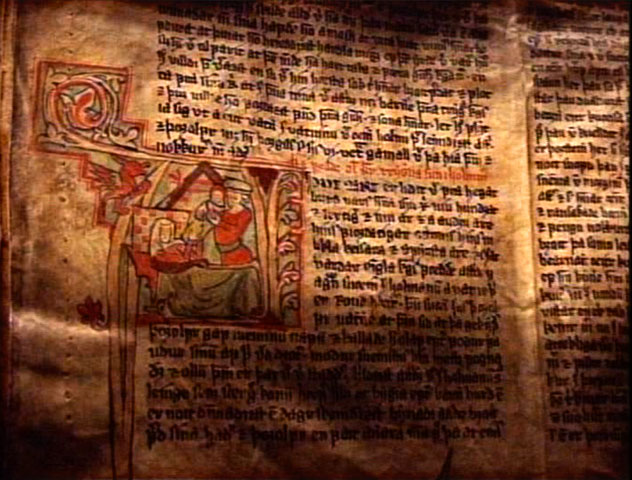


Alphabet and pronunciation
The Icelandic alphabet is based on the Latin script with a few additional letters that mark sounds not found in English. Notable characters include þ (thorn) and ð (eth), both representing dental fricatives similar to the English sounds in "thin" and "this," respectively. Other distinctive graphemes are æ (a diphthong pronounced approximately like English "eye") and ö (a rounded front vowel similar to German or other continental pronunciations). The sound system preserves contrasts and features from Old Norse that have been reduced in many other Scandinavian languages.
Grammar and structure
Icelandic retains a richly inflected grammar with three grammatical genders (masculine, feminine, neuter), four cases for nouns (nominative, accusative, dative, genitive), and a verbal system that distinguishes strong and weak verbs, moods, tenses, and person/number. Definite articles are often expressed as suffixes attached to nouns, a typological trait shared with several neighboring languages. Word order is relatively flexible because of the case system, but a default subject–verb–object pattern is common in neutral sentences.
History and development
Icelandic descends directly from Old Norse, the medieval language of the Norse settlers who arrived in the North Atlantic during the Viking Age. Geographic isolation contributed to the language's conservative development; written records from centuries past—such as the medieval sagas—remain readable to modern Icelandic speakers with some effort. Over time the language has incorporated some loanwords, but deliberate language planning and cultural attitudes have tended to favor creating native neologisms rather than extensive borrowing.
Uses, preservation and modern life
Icelandic functions as the official and everyday language across public institutions, education and media. Language authorities, scholarly bodies and broadcasting organizations actively promote standards and coin new terminology to accommodate technological and social change. These efforts help maintain high levels of literacy in both modern Icelandic and older literary texts. For practical information and resources, readers can consult organizations and guides focused on Icelandic speakers and learning, as well as linguistic overviews of the North Germanic languages.
Distinctive facts and learning considerations
- Icelandic's conservative grammar and preserved vocabulary make historical texts unusually accessible to contemporary readers compared with many other modern languages; scholars often cite this as a notable cultural advantage linked to national literature and identity.
- Mutual intelligibility with mainland Scandinavian languages (Danish, Swedish, Norwegian) is limited; Faroese is its closest living relative.
- Because of complex morphology, irregular inflection, and some unfamiliar sounds, Icelandic is commonly regarded as a challenging second language for adult learners. Nevertheless, motivated learners can access resources from language schools, online platforms and language policy bodies that provide standardized guidance and coinage practices (orthography, thorn and eth, Iceland).
For further reading on historical sources, orthographic conventions and contemporary language planning see academic surveys and institutional pages on Old Norse, language policy groups at national institutions and general introductions to the Icelandic alphabet. Practical language-learning materials and community guides are also available through educational portals and cultural organizations (community resources, comparative Nordic linguistics).
Related articles
Author
AlegsaOnline.com Icelandic language Leandro Alegsa
URL: https://en.alegsaonline.com/art/46453
Sources
- statice.is : 97% of a population of 318,000