
Territorial waters (territorial sea)
Territorial waters are the coastal sea zone—commonly up to 12 nautical miles—from a state's baseline where it exercises sovereignty, including airspace and seabed; adjacent maritime zones confer other rights.
Overview
Territorial waters, often called the territorial sea, are the band of coastal ocean adjacent to a state's shoreline over which that state exercises full sovereignty. Under the contemporary international standard, this area normally extends up to 12 nautical miles from the baseline from which maritime zones are measured. Sovereignty within these waters covers the water column, the seabed and subsoil, and the overlying airspace. The concept serves to balance coastal state control with recognized navigation rights for other states. A coastal state therefore controls many activities within its territorial sea while allowing certain lawful movements by foreign vessels.
Image gallery
3 Images
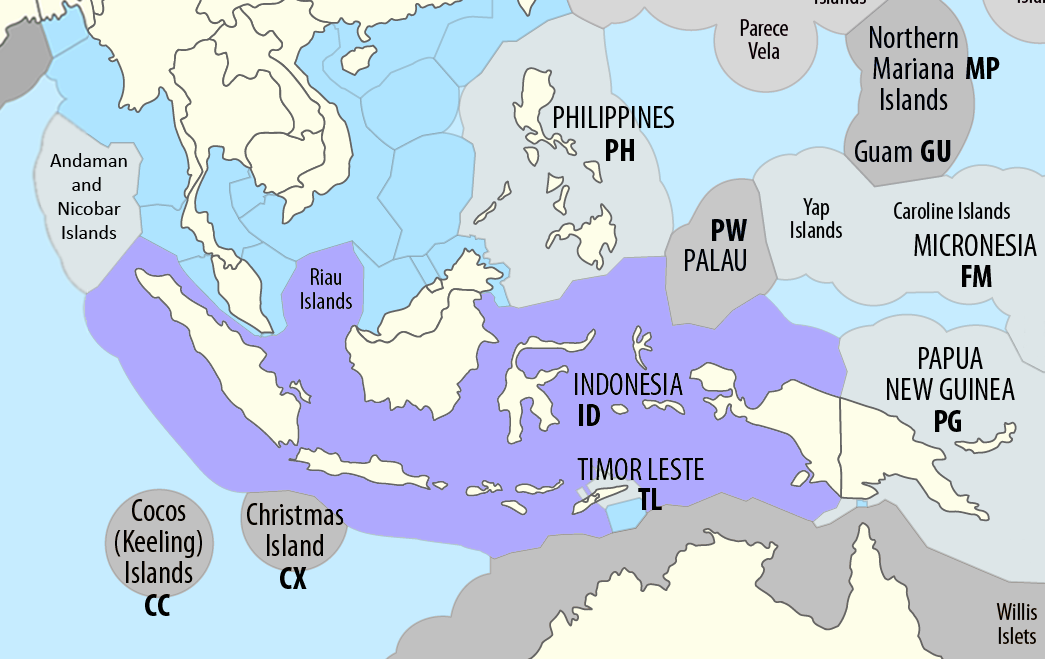

Legal basis and development
The modern rules governing territorial waters were largely codified in the United Nations Convention on the Law of the Sea (UNCLOS) of 1982, which followed centuries of evolving customary practice. Before UNCLOS, coastal claims varied widely; the convention established the 12-nautical-mile default for the territorial sea and described related maritime zones. Key legal concepts include sovereignty and the right of innocent passage, by which foreign ships may traverse territorial waters so long as they do not threaten the security or breach the laws of the coastal state.
Rights, duties and limitations
- Coastal state powers: regulation of navigation, customs, immigration, pollution control, and resource management within the territorial sea and over its seabed and airspace.
- Foreign vessels: generally enjoy the right of innocent passage; warships and other government vessels may be subject to notification or consent rules in some cases.
- Limitations: sovereign rights are subject to international rules, including navigation freedoms and obligations to protect the marine environment.
Related maritime zones and distinctions
Territorial waters are one of several coastal zones that carry different rights. Areas often discussed alongside the territorial sea include internal waters (waters on the landward side of the baseline, fully internal to the state), the contiguous zone (an area beyond the territorial sea where limited enforcement rights exist to prevent or punish infringements of customs, fiscal, immigration or sanitary laws), the exclusive economic zone (EEZ, commonly up to 200 nautical miles, where a state has rights over natural resources but not full sovereignty), and the continental shelf where states have rights to seabed resources. The term jurisdiction is often used broadly to encompass these varying legal regimes.
Practical importance and disputes
Territorial seas are crucial for national security, fisheries management, offshore energy development and maritime trade. Disputes arise when baselines are contested, when claimed maritime zones overlap between neighboring states, or around islands and archipelagos whose status affects zone limits. Resolution occurs through negotiation, arbitration, or adjudication under international law, reflecting both legal rules and geopolitical considerations.
Related articles
Author
AlegsaOnline.com Territorial waters (territorial sea) Leandro Alegsa
URL: https://en.alegsaonline.com/art/97137